Africa-Press – Ethiopia. Buying a sink sounds like a simple task, yet it is anything but. The market is filled with dizzying offers and there are numerous things to put into considerations before choosing one sink over another. It is therefore important that one should be careful while choosing the type of sink to buy for a particular purpose.
Size matters
Sinks are meant to be in the kitchen or outside where washing of utensils and clothes is done while hand washing basins are meant for the bathroom and dining area. The size of the family normally determines the size and type of a sink to buy. They usually come in three types. The two-bowl sink with a tray, two bowl without a tray and a single bowl with and without a tray.
For bigger families, it is ideal to have a two-bowl with a tray. This allows cleaning of a bigger volume of utensils and the tray allows the cleaned utensils to dry. Nowadays, there are even three-bowl sinks but these are rare and a little costly. This type is also good to have outside the house where utensils can also be washed from. Two and single-bowl without a tray are common with small families or small houses. In order to improvise for the tray, these are normally bonded on cut out marble or granite stones. The challenge with these is that if not professionally fixed, they often develop water leakages that eventually damage cabinets below the sink.
For someone constructing single rooms, it is acceptable to use single bowl sinks because the purpose is to serve one or two occupants that may not have a lot of utensils in their kitchen.
A base is a must
Douglas Matovu, a plumber, says that for a sink to work better and last long, it must have a base on which it sits. The base may be wooden or concrete, depending on size and purpose. Through experience, he says two-bowl sinks with or without a tray, tend to bend, crack or break when not put on a strong base. He advises that a three inch slab can ably suspend a standard sink.
Consider pipes
Any good sink should have a strainer, bottle trap and bigger waste pipes to keep sinks clean. Mawejje Ssenkatuuka, a plumber, recommends the use of two inch pipes on sinks that have inspection chambers and connected to the gary trap before leading the waste to the soak pit.
The strainer, inspection chambers and gary traps, help to regularly clean the sink of any waste that may have clogged in these pipes and sink. Standard sinks, according to Mawejje, are the ones that come with two waste pipes. The second upper pipe, controls water overflow on the sink. When heavy plates or utensils are placed in the sink with water, upthrust may cause water to overflow. Thus, the overflow pipes prevents this problem and sinks keep dry and less slippery. Mawejje advises fellow plumbers to always try and fix the sink in the centre and avoid connecting it to the wall. Any water overflow may damage the wall and the cabins below it.
Choose a good tap
Kitchen sinks must have good taps to serve the purpose. A pillar tap is the most ideal for kitchens. If the kitchens has water heaters, a mixer tap is better. This particular one is marked with H/C allowing one washing the utensils to choose between hot and cold water. Utensils with fat clots, require hot water to get clean but this hot water also helps the sink not to get cloggings. For non-mixer taps, Matovu advises people to use hot water boiled separately to help them clean both the sink and utensils.
Quality and interior design
Much as there are ceramic sinks today on the market, both Matovu and Mawejje think that stainless steel sinks are more appropriate for either kitchen or laundry purposes. Their belief is that stainless sinks are easy to fix, easy to clean and can last longer. They argue that ceramic sinks need expertise and care to fix. Any slight mishap may damage it even before it is finally erected.
Titus Kayabuki, from KT Interior and Compound Designing, urges anyone buying a sink to consider the interior design of the kitchen before settling for a particular type of a sink. He believes that this would help one choose between square, round, steel or ceramic. Kitchens with islands may require particular design of a sink to fully bring out the design. He advises clients to always buy the sink before building its base because they come in varying sizes.
Kayabuki also cautions clients to make an effort and observe the quality of the sink before buying. For steel sinks, he advises clients to always examine the gauge and the sound the sink makes once hit. The louder the sound, the weaker the sink. He also says that sinks with sponge acoustics are less durable and not ideal for heavy duty kitchens especially in restaurants. He however recommends ceramic sinks for clients looking for beauty and class.
Washer basins
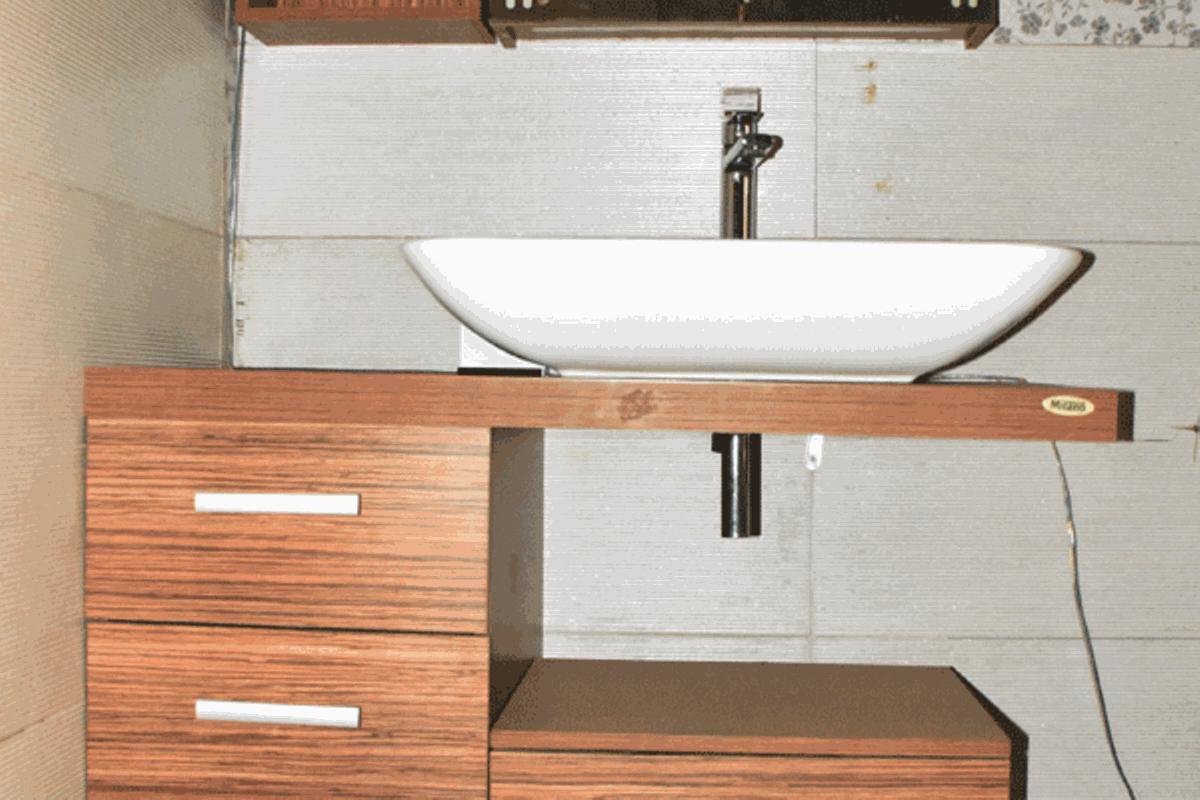
Sinks should never be put in bathrooms and dining areas since they occupy bigger space. Instead experts recommend hand wash basins. These come in different designs and shapes. They should however, be fixed by professionals because they are ceramic and easily breakable. The advantage is that many come with stands and so, no need for a base. Others can be bolted on the wall. And because they are ceramic, they do not allow dirt to clog. They can easily be cleaned as well. Ridges and boundaries on these washer basins, keep water within, minimising overflows.
Types
Washing basins are sound proof, when one is using it, it makes no sound. Sinks make sound and when in use, it is noticeable.
Types of sinks
Two bowl tray
Two bowl no tray
Single bowl tray
Single bowl no tray
Scouring powder
Sinks and washer basins, especially ceramic types, should be cleaned with scouring powder to avoid over scrubbing that may damage them. A soft sponge is also recommended.
By TWAHA MUKISA
For More News And Analysis About Ethiopia Follow Africa-Press