Africa-Press – Gambia. The Gambia’s political journey reflects a careful balance between colonial legacies, traditional authority, and modern democratic governance, say experts.
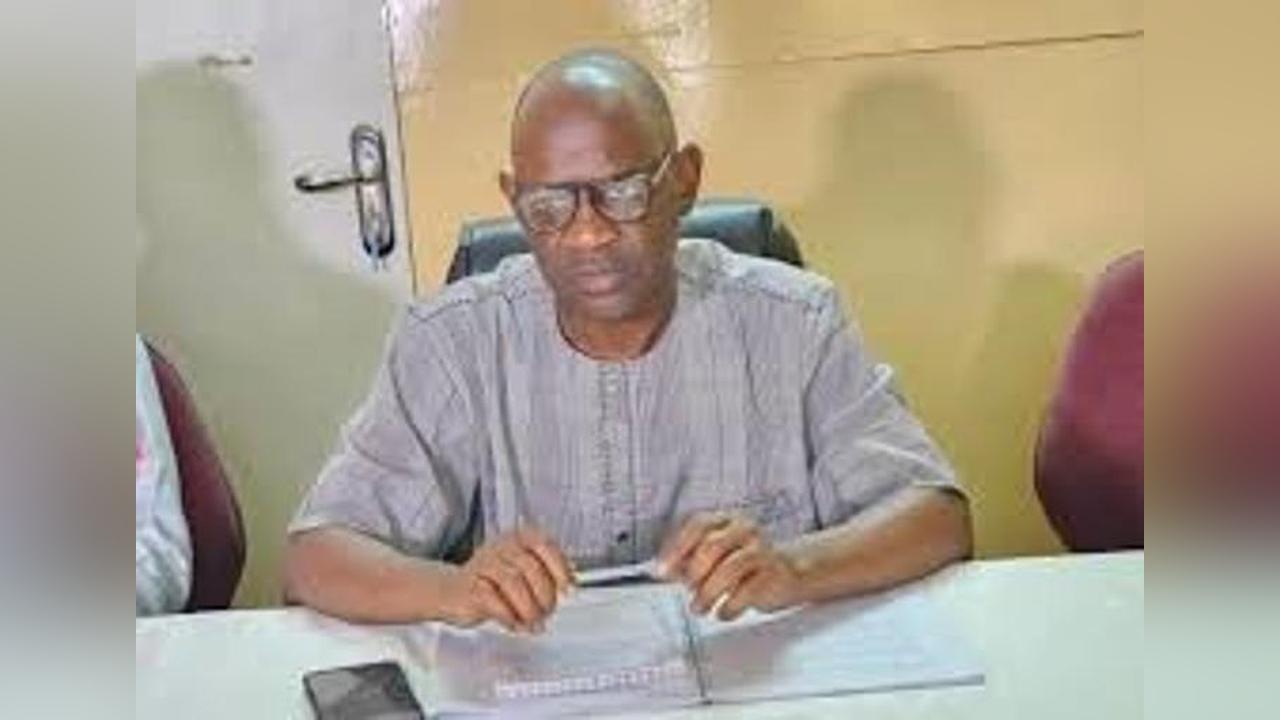
Hassoum Ceesay, historian and Director General of the National Centre for Arts and Culture (NCAC), outlines the nation’s trajectory from independence in 1965 to the present, highlighting both challenges and achievements.
“The governance model we inherited at independence was the colonial protectorate system,” Ceesay explains. “The Gambia was divided into the colony and the protectorate, a structure designed for easier administrative control by the British. At independence, these terms were replaced by Greater Banjul and the regions.”
One of the first steps in shaping local governance was the creation of area councils across the country. While Banjul had long been the only municipality, towns such as Makasutu and Kuntaur gained local councils at independence. Importantly, the institution of chieftaincy was retained.
Unlike some African countries that abolished traditional leadership after independence, The Gambia preserved its chiefs, integrating them into the democratic framework while gradually redefining their powers.
Ceesay describes the early post-independence period as one of cautious balance. From 1965 to 1970, The Gambia remained a monarchy in essence, with Queen Elizabeth II represented by a Governor-General. “Saif Ali Magsingata, the first Governor-General, had largely ceremonial powers,” Ceesay notes. Executive authority rested with the Prime Minister and cabinet, ensuring real governance remained in Gambian hands.
The system evolved further in 1970 when the country became a republic, introducing an executive presidency capable of appointing ministers, ambassadors, and senior civil servants, thereby streamlining decision-making at the national level.
Yet, colonial legacies continued to pose challenges. The chieftaincy, which wielded extensive powers under British rule, had to be adapted to fit a modern republic. “Some believe chiefs should have powers to arrest or try individuals,” Ceesay says. “But in a republic, no citizen can be denied their constitutional rights. Balancing tradition and democracy has been an ongoing process.”
Institutional development mirrored this evolution. The establishment of a functional parliament, judiciary, and civil service laid the backbone of governance. Independent commissions, including the Independent Electoral Commission (IEC) and the Ombudsman, strengthened democratic oversight and accountability. Even constituency demarcation played a critical role, ensuring regional representation and citizen participation.
Economic governance has also influenced political structures. Ceesay points to the Gambia Cooperative Society as an early example of governance intertwined with economic activity. “Cooperative societies, often led by influential community members, helped coordinate the purchase and export of crops. Governance structures were necessary to facilitate these processes,” he explains.
Comparing The Gambia to regional neighbors, Ceesay emphasizes its resilience. “We have maintained a multi-party democratic system, holding regular free and fair elections. This has earned international respect and demonstrates political tolerance that many nations aspire to achieve.”
Reflecting on the country’s Diamond Jubilee, Ceesay notes the enduring significance of independence. “Everything we enjoy today—electricity, roads, hospitals, schools, bridges, political pluralism—exists because we became independent. Independence in 1965 laid the foundation for everything else.”
The evolution of Gambian governance—from colonial structures to a functioning republic—shows a nation negotiating tradition and modernity, ceremonial roles and executive power, and political and economic governance. Ceesay’s insights underscore that governance is an evolving journey, shaped by history and adapted to contemporary needs.
As The Gambia celebrates milestones, understanding this journey remains essential, not only as history but as a guide for the future.