Africa-Press – Gambia. Prisons in The Gambia are operating far beyond their intended capacity, with cells designed for eight inmates now holding up to 22, Ombudsman disclosed on Tuesday.
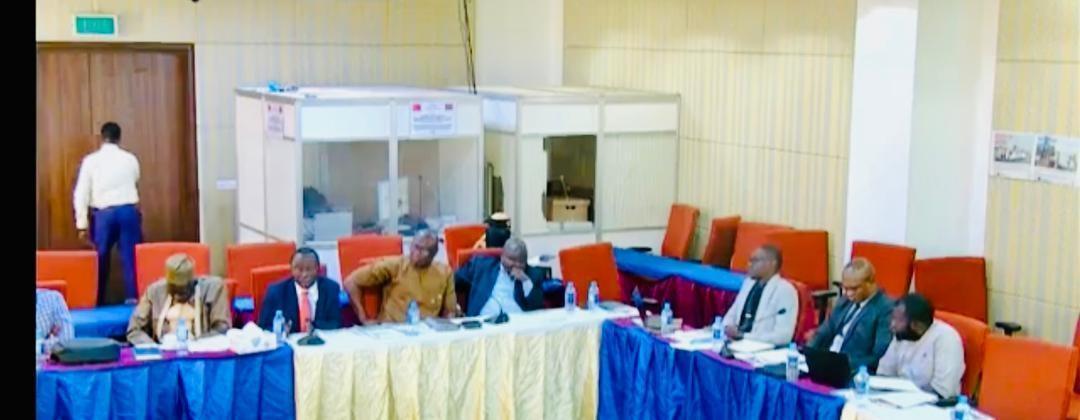
The disclosure was made by officials during the presentation of the Office of the Ombudsman’s 2023–2024 reports before the National Assembly’s Finance and Public Accounts Committee (FPAC) on Tuesday.
The report described congestion as a nationwide problem affecting major facilities, including Mile 2 Central Prison and Janjanbureh Prison.
Members of the committee heard that due to limited space, remand detainees and convicted prisoners are at times held in the same cells.
Officials attributed the overcrowding largely to outdated infrastructure and inadequate detention facilities, which they said make proper classification and management of inmates difficult.
“You go to the remand wing for a cell supposed to carry eight people and you find 22 in that crowded cell,” the committee was told.
The report also noted that prisons lack adequate space for physical exercise and recreational activities, including football, volleyball and running.
According to officials, the structure and size of existing buildings make it difficult to implement effective rehabilitation programmes.
The Ombudsman’s office recommended the construction of new prison facilities, particularly to replace Mile 2 Central Prison and to expand capacity at Janjanbureh Prison. It further advised that new facilities should incorporate proper classification units and rehabilitation infrastructure.
The committee also examined detainee welfare, noting that in many police detention centres, food is not provided by the State. Instead, detainees are often fed by officers or relatives.
The report indicated that the official daily feeding allowance, known as the prisoner’s diet, stands at five dalasis per detainee.
Committee members described the amount as inadequate, saying it places additional pressure on station officers who sometimes cover feeding costs from personal funds.
Officials emphasised that detainees remain in government custody and that their welfare is therefore the responsibility of the State.
Concerns were also raised regarding detention practices in military facilities and whether all detentions comply with constitutional requirements on the time limits for bringing suspects before the appropriate authority.
Lawmakers indicated they may conduct visits to detention centres to assess conditions, while the Ombudsman’s office said it had recently completed an inspection tour across the provinces and would submit further findings.
The report underscored persistent structural and welfare challenges within the country’s detention system, identifying prison capacity and detainee care as pressing policy issues requiring government attention.