Africa-Press – Gambia. Gambia’s foreign affairs minister on Tuesday warned that Gambians who overstay their visas in the United States are contributing to new restrictions that make travel more difficult and costly, including tighter visa rules and the possible requirement to post refundable bonds of up to $15,000.
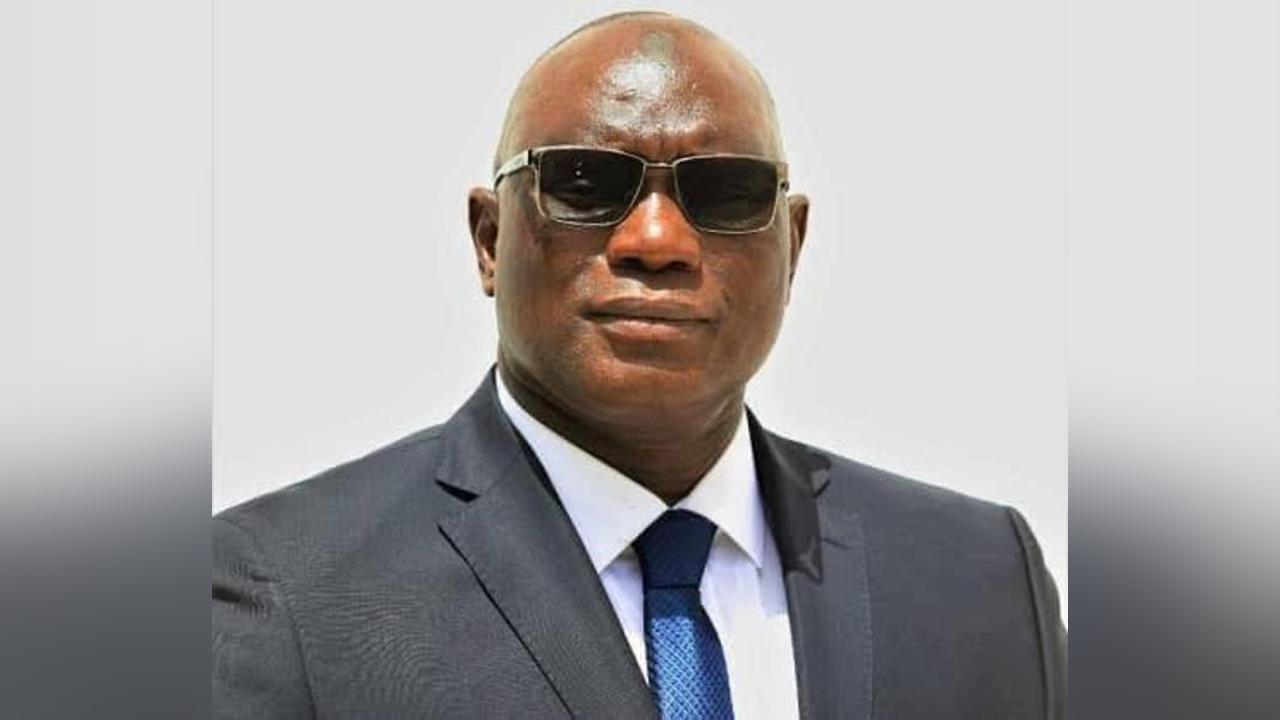
Speaking at the government’s end-of-year press conference, the minister, Sering Modou Njie, said U.S. authorities have identified a significant number of Gambian nationals who remained in the country after their authorized stay had expired.
“Now in the United States, it has already been published that there are a good number of Gambians who have exhausted their stay,” Mr. Njie said. “We call them overstays, and then they have not returned back, and then the restriction applies to those categories of people and countries that do not see to the return of their citizens.”
Mr. Njie said the measures affect several visa categories, including business and tourist visas (B-1 and B-2) as well as student visas (F-1), and are part of a broader U.S. policy aimed at countries with high overstay rates.
“There is a restriction placed by the United States on certain categories of visas, like you have mentioned, B-1, 2, and F-1. These are the visitor visas, especially for those who have already concluded their stay in the United States, and according to the policy, they should return home,” he said.
Under the policy, some visa applicants may be required to post a financial bond—ranging from $5,000 to $15,000—as a guarantee of departure. Mr. Njie emphasized that the bond is refundable once the traveler leaves the United States within the authorized period.
“And that applies also to the visa bond of up to $15,000, but once you return, also the $15,000 or $5,000 or $10,000 is refundable,” he said.
The minister said the Gambian government is engaging U.S. authorities through diplomatic channels in an effort to mitigate the impact of the restrictions. He noted that the Ministry of Foreign Affairs has exchanged diplomatic notes with the U.S. Embassy in Banjul and has requested dialogue and reconsideration.
“When we receive the instructions from the United States, what we do as a ministry and as a country is we have to engage the United States. Here, the United States government, represented by its embassy, also communicated to our diplomatic note, engaging them and then opening up dialogue, and also asking at least for reconsideration of the decision by the United States on these visa restrictions,” he said.
Still, he stressed that the policy originates in Washington and is not a decision taken by the Gambian government.
“All that we can do as a country is just to continue our dialogue diplomacy with the United States, but this is not our policy; it’s the policy of the United States,” he said.
He urged Gambians traveling abroad to respect visa conditions, warning that individual actions can have broader consequences for the country’s citizens seeking to travel in the future.
For More News And Analysis About Gambia Follow Africa-Press