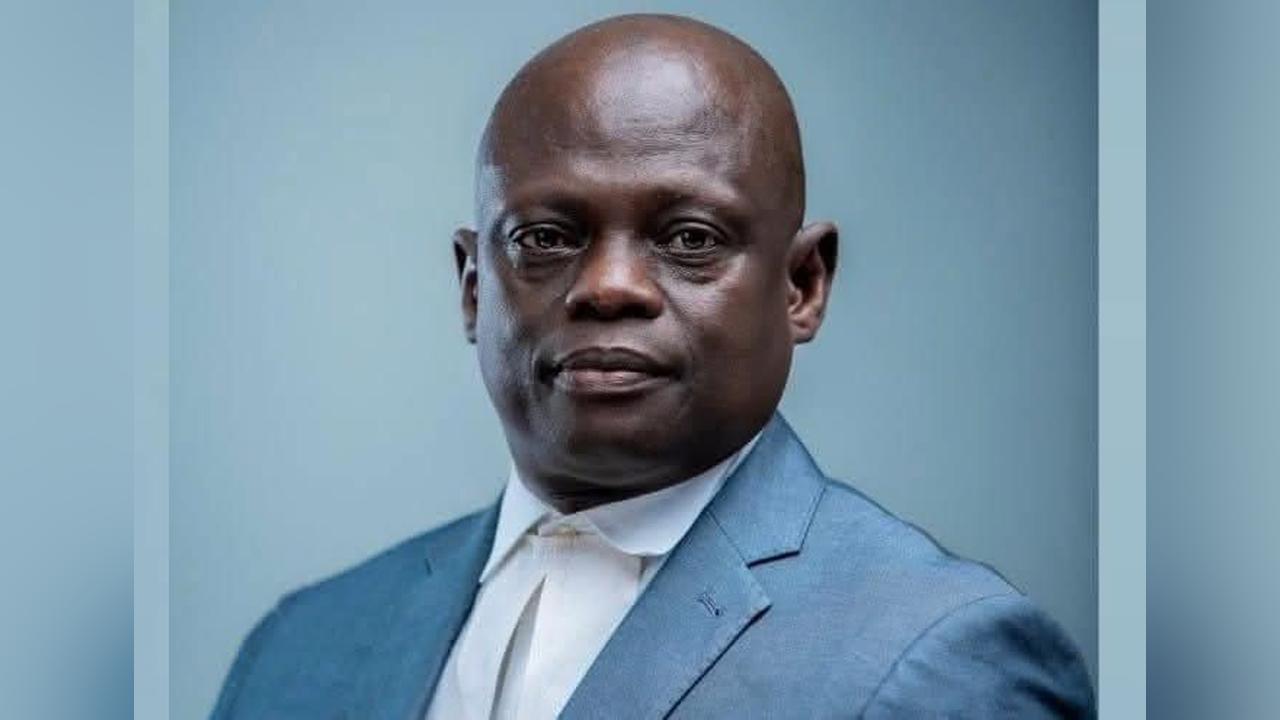
Africa-Press – Gambia. Lamin J. Darbo, the lawyer defending Ousainou Bojang and his sister, Amie Bojang has called for a thorough investigation and reforms to the Office of the Director of Public Prosecutions (DPP).
He criticized the government’s handling of the matter, alleging that those responsible for the killing of service personnel have not been held accountable, while others he described as innocent were arrested, prosecuted and brought before the courts.
The Banjul High Court on Monday acquitted and discharged Ousainou Bojang and Amie Bojang of all charges in connection with the “Sukuta-Jabang shooting” case. But the two were rearrested on Tuesday.
The presiding judge, Justice Ebrima Jaiteh, ruled that the prosecution had failed to establish its case beyond reasonable doubt. The two were granted bail in the sum of D50,000 each with conditions, pending the State’s appeal against the acquittal.
Defense Counsel Darbo further questioned the integrity of the investigative and prosecutorial processes, suggesting that the case was pursued despite alleged weaknesses in the evidence, with an expectation that the accused would be convicted.
The development has been described by commentators as damaging to the country’s justice system, prompting debate on the need for stronger constitutional safeguards to enhance the independence of the DPP.
Darbo also called for the appointment of a Gambian national as Director of Public Prosecutions, arguing that qualified local professionals are capable of effectively performing the role.
Concerns were additionally raised regarding the structural relationship between the DPP and the Ministry of Justice. Observers argue that the dual role of the Attorney General and Minister of Justice, as an executive appointee, could expose prosecutorial decisions to political influence, particularly in sensitive cases.
The defence counsel emphasized the need to depoliticise the justice system, stressing that while criminal acts must be prosecuted, legal processes should remain fair, impartial and evidence-based.
He further alleged that evidence presented during the trial pointed to other individuals, including some eyewitnesses, as being responsible for the killings, expressing confidence that those culpable would eventually be brought to justice.
The case has intensified public discourse on accountability, judicial independence and broader reforms within The Gambia’s criminal justice system.