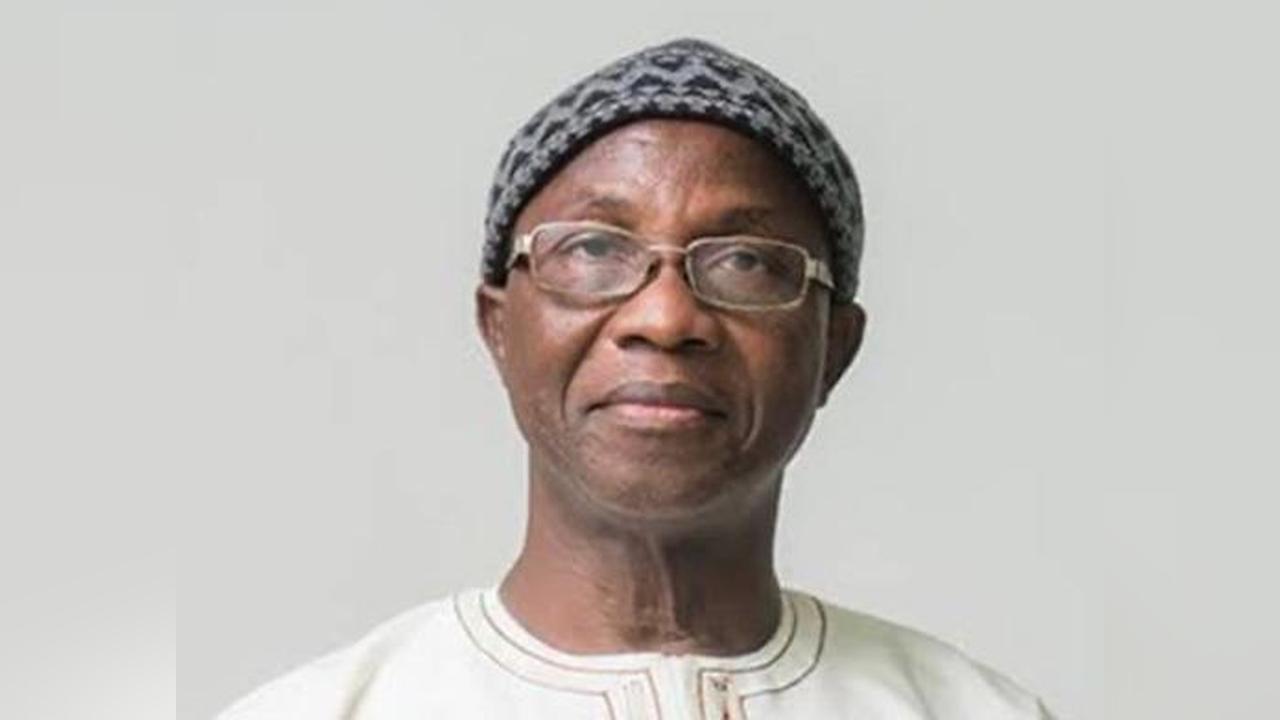
Africa-Press – Gambia. The National Assembly Member for Wuli East, Hon. Suwaibou Touray, has said inadequate infrastructure development remains a major constraint to The Gambia’s economic growth as the country marks 61 years of independence.
In an exclusive interview ahead of Independence Day celebrations, Touray said persistent gaps in infrastructure planning and implementation continue to affect key sectors, including health, education and security.
He emphasised that newly independent states should prioritise energy infrastructure to accelerate development.
“A country that has just attained independence should first concentrate on energy infrastructure. Without reliable electricity and a stable power grid, development would be slow. Industries, hospitals, schools and homes all depend on consistent and reliable power supply,” he said.
Reflecting on infrastructure development since independence, the lawmaker noted that colonial-era investments were largely centred on the production and export of groundnuts.
He said river transport systems and wharfs were constructed mainly to facilitate the movement of groundnuts and other goods. Passenger vessels, including the Lady Wright during the colonial period and the Lady Chilel after independence, played significant roles in transportation.
Following the demise of these vessels, he said, government policy shifted towards road transport development, though progress was gradual. Subsequent expansion of schools, hospitals and agricultural centres improved access to basic services.
Touray said mixed farming centres established in rural areas during the early years of independence contributed to employment creation. He added that roads linking to wharfs enabled merchant ships to load and offload groundnuts and imported goods, while later investments in schools and health facilities addressed social needs.
Urban areas, he noted, later benefited from water and electricity projects.
On rural–urban disparities, Touray observed that delays in providing electricity, clean water and employment opportunities in rural communities contributed to increased migration to urban centres.
“The lack of clean drinking water, schools, electricity and jobs forced many rural dwellers, especially the educated youth, to move to urban centres in search of better opportunities,” he said.
He acknowledged improvements in health, education, telecommunications and digital infrastructure, describing digital connectivity as vital for financial services and education. However, he maintained that road infrastructure remains a priority due to its central role in commerce and national development.
Touray attributed ongoing infrastructure deficits partly to rapid population growth, which he said has outpaced development efforts. He argued that colonial infrastructure was primarily designed to support groundnut exports to England, with limited long-term planning for domestic needs.
According to him, this imbalance has contributed to traffic congestion, housing shortages and the growth of informal settlements in major urban areas such as Serekunda and Banjul, placing pressure on resources and slowing economic expansion.
The parliamentarian stressed that inadequate roads, ports and river transport systems constrain the movement of goods and services, limiting economic opportunities.
He described foreign investment as important for capital inflows, technology transfer, job creation and revenue generation, but cautioned against excessive dependence on foreign direct investment, which could undermine local enterprises and increase vulnerability to external shocks.
Touray said that although efforts have been made to expand infrastructure, sustainability remains a concern.
“Roads have been built only to deteriorate within a few years, largely due to poor planning and corruption. Loans are then contracted to reconstruct them, placing additional strain on the national budget,” he said.
He called for strategic infrastructure planning targeting highways and major urban centres, including Busumbala, Farato, Serekunda and Brikama, to promote balanced development.
Touray urged authorities to prioritise sustainable investments in energy, transport, digital communications, water and sanitation to stimulate economic growth, create jobs and improve living standards.
“Energy sustainability is key to powering industries and homes. Infrastructure development must be aligned with long-term national development goals,” he said.