
Africa-Press – Ghana. A recent youth consultation in the Volta Region has yielded some practical recommendations to address the systemic exclusion of young people from governance and community development.
The consultation was under the Gender and Reproductive Advocacy Youth Network’s (GRAY Network) project, “Strengthening Inclusive Governance in Ghana through Youth and Women Leadership Development and Advocacy,” funded by the High Commission of Canada to Ghana, Togo and Sierra Leone, through the Canada Fund for Local Initiatives.
The recommendations, grouped into seven pillars, focused on youth participation, education, economic empowerment, information access, digital inclusion, safe civic spaces, and partnership.
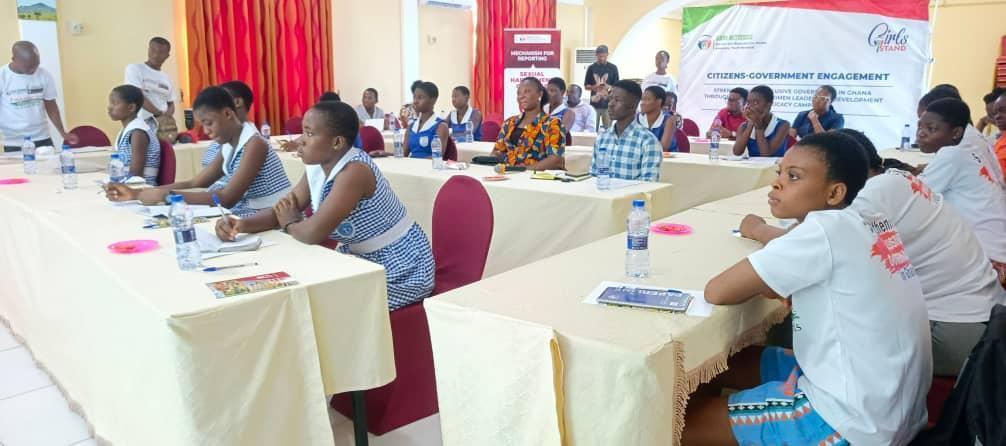
They were presented at a policy dialogue forum attended by the youth, (both school and out of school), and duty bearers at the Municipal Assembly including the Planning and Budget Departments, and other institutions like the National Youth Authority, (NYA), and the National Commission for Civic Education.
Mr Godsway Mensah, the Programmes Manager of the youth-led Non-Governmental Organisation (NGO), GRAY Network, disclosed that the policy brief was developed through stakeholder engagements in Ho, Hohoe, South Tongu, and North Tongu involving 2,464 young men and women from ages 18-30, girls and boys under 18, and persons with disabilities.
He said the insights, lived experiences, and development priorities of these young people formed the foundation of every recommendation in the brief, noting the consultation revealed that young people were eager to contribute to governance but faced significant barriers, including limited representation, lack of access to information, and economic insecurity.
To address these challenges, the recommendations proposed institutionalising youth representation in decision-making spaces, supporting youth civic platforms, and expanding economic opportunities.
Key recommendations included establishing formal youth advisory desks and committees in district and municipal assemblies; providing logistical and technical support to youth-led initiatives; strengthening life skills, leadership, and civic education in schools; and promoting STEM and entrepreneurship pathways for young people.
Other recommendations include the removal of barriers for young women and ensuring disability inclusion; expanding youth economic opportunities and linking civic engagement to livelihoods; improving civic information access and digital inclusion; and promoting safe youth engagement spaces and multi-stakeholder collaboration.
Mr Mensah said “Youth inclusion is not only a social responsibility – it is a strategic investment in responsive governance and sustainable local development,” adding that concrete recommendations were directed at duty bearers to “transition governance from consultation to collaboration to co-decision-making.”
The interactive forum featured talks from some institutional heads, questions and answers session as well as participants sharing their worst moments and experiences in life and how they overcame them.
Mr Charlse Gomenu, the Ho Municipal Director, NYA in an interview with Ghana News Agency said the youth faced significant funding challenges as assemblies prioritised internal funds, budget templates lacked youth development allocations, while financial support relied heavily on international NGOs with limited corporate sponsorship, in the case of the Municipality.
He said President John Dramani Mahama’s current national apprenticeship programme, backed by government investment in logistics, signaled a renewed focus on equipping young people with skills for the future, offering a glimpse of hope for Ghana’s youth.
Ms Valerie Setsofia, a participant and student at the OLA Girls Senior High School among others, expressed gratitude for the engagement, saying it shed light on youth involvement in policymaking and had deepened her understanding of inclusive governance.