
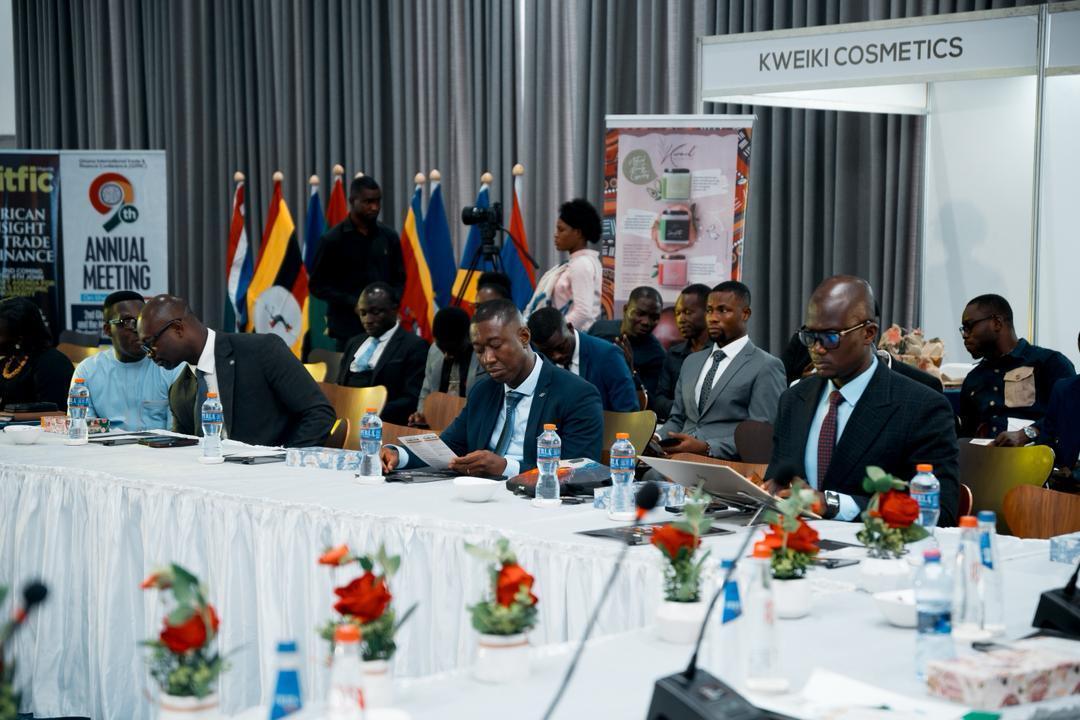
Africa-Press – Ghana. The 9th annual meeting of the Ghana International Trade and Finance Conference (GITFiC) has called on Africa and the global south to take their rightful position in the global economy.
A communique by the GITFiC and coped to the Ghana News Agency said such a move by Africa and the global south would enable them to assert themselves as partners in shared prosperity, and not as enduring debtors.
The three-day meeting held in Accra was on the theme, “The 2nd Global Debt Initiative and the Inaugural of GITFiC-AfCFTA Tertiary Students’ Congress.”
The meeting brought together policymakers, academia, students, and international stakeholders to address critical issues of debt within Africa and the Global South.
It focused on sustainable development and strategic role of tertiary education in facilitating intra-African trade within the AfCFTA.
The key objectives of the meeting were to promote global debt initiative as a comprehensive framework for facilitating debt relief and ensuring sustainability in Africa and the broader global south.
Others were to foster transparency, equity, and accountability in debt management practices; and to integrate GITFiC’s AfCFTA curricula within Africa’s tertiary educational institutions to adequately prepare the youth for leadership roles in implementing the AfCFTA.
The rest were to encourage collaboration between public and private sectors, alongside fostering youth involvement in economic transformation initiatives; and to advocate for financing strategies that prioritise climate resilience and sustainable development aligned with the Sustainable Development Goals (SDGs).
The communique emphasised the need for ethical dimensions of economic reform, advocating for financial systems grounded in justice, inclusivity, and compassion.
It added that financial structures should serve humanity and not to exacerbate existing inequalities.
It recommended the establishment of institutional frameworks for equitable debt treatment, particularly tailored for nations impacted by disasters and that Borrowers Club should engage with creditors, establish and operationalise the African Payments Union.
The communique called for urgent need for African countries to prioritise education, industry collaboration, and practical training to equip the new generation with skills essential for driving intra-African trade, innovation, and sustainable growth.
The congress resolved to advance AfCFTA-centric education through two formal initiatives by implementing the curriculum at the senior high school level to enhance early exposure and understanding among students.
The delegates to the meeting made commitments to reinforce collaboration among governments, multilateral institutions, academia, and the private sector; and institutionalising debt transparency and governance reforms across African nations.
Others were to mainstream AfCFTA curricula to empower youth as transformative agents; and to adv0cate on a global scale for a restructured financial architecture that reflects the realities and aspirations of African nations.
The meeting was addressed by Madam Ann Pettifor, a UK Economist and leader of the Jubilee 2000 campaign; and Dr Zerihun Gudeta Alema, Chief Economist at the African Development Bank (AfDB), who represented Ms Eyerusalem FASIKA, Country Manager, acting on behalf of the AfDB President.
The rest are Mr Zia Choudhury, a representative of the UN Secretary-General; and Professor Rosina Kyerematen, Dean of Student Affairs, University of Ghana, and other prominent personalities from academia and industry sectors.
For More News And Analysis About Ghana Follow Africa-Press