

by Elizabeth Larkwor Baah
Africa-Press – Ghana. At some point, I began to interpret the rashes as something beyond illness; they resisted every remedy I trusted, Mr. Joshua Nii Tetteh, an Mpox survivor, recalled his confusion.
“I wondered if the problem was spiritual rather than physical. I questioned whether I had offended something unseen,” he added.
According to him, it was a colleague who challenged that thinking, telling him that not every suffering had a spiritual meaning, stressing that some conditions required medical attention.
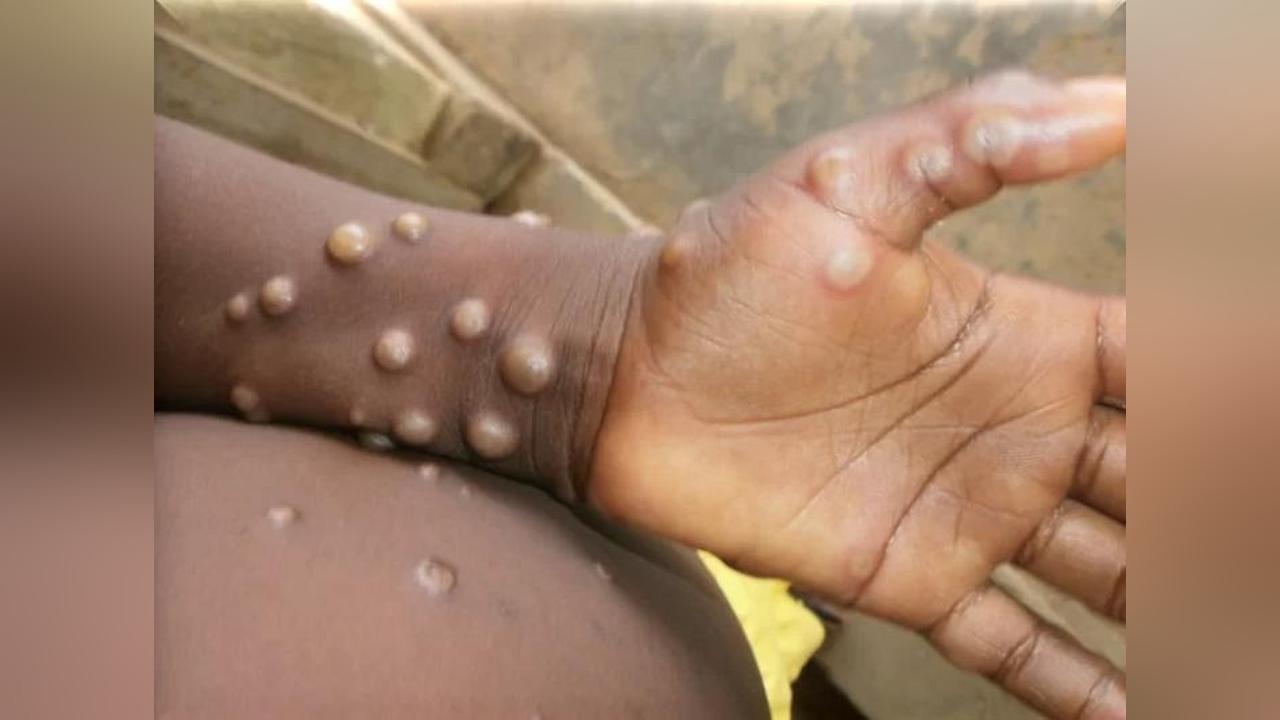
Mr. Tetteh said when he saw the rashes on his skin, he thought it was chickenpox, so as usual, he went straight and submerged in the sea for the sea salt to dry the rashes and heal his skin.
Coastal beliefs and healing traditions
Mr. Tetteh, who has lived for over 35 years in Tema Newtown, a fishing community, explained that bathing in seawater was a common remedy for skin conditions such as rashes, eczema, and fungal infections.
In many coastal communities across Ghana, the sea is not only a source of livelihood but also a trusted element of healing. Fisherfolk, salt-makers, and residents have long relied on seawater for perceived therapeutic benefits, particularly for skin ailments.
The belief that nature, especially the ocean, can cure illness is deeply rooted in maritime traditions and passed down through generations. However, Mr. Tetteh said his experience exposed the limitations of relying solely on such practices. “I was shocked when the rashes kept increasing after several days in the sea,” he said.
He added that the advice his colleague gave became the turning point: “Without it, I might have continued searching for answers in the wrong place while my condition deteriorated further,” he said.
Exploring the Bible as historical record
A notable historical example of people relying on the sea for healing appears in the Bible when Naman, a Syrian military commander, was afflicted with leprosy. Acting on the instructions of the prophet Elisha, Naaman washed himself seven times in the River Jordan, after which he was healed. The Biblical record at 2 Kings 5:14 (NIV) said: “So he went down and dipped himself in the Jordan seven times, as the man of God had told him, and his flesh was restored and became clean like that of a young boy.”
Although the biblical passage does not explicitly describe healing through bathing in the sea, the human relationship with the sea as a source of healing is deeply rooted in ancient days.
Reverend Ebenezer Ayer, Head Pastor of the Priesthood Worship Centre, Assemblies of God, said that nature exists to serve mankind, including the elements of the weather. He, warned, however, that people should not place their trust blindly in the things God has created.
He encouraged people to seek orthodox medical care when they fall ill, explaining that God has endowed health professionals with knowledge and wisdom in their respective fields, and
trusting trained doctors and nurses meant honouring the gift of wisdom that God has placed in them. Rev Ayer urged the public to strike a balance between respecting God’s creation while understanding its limits and embracing medical guidance when necessary.
Understanding Mpox
Ms. Linda Adjapong, the Tema Metropolitan Disease Control Officer, explained that Mpox is a zoonotic viral disease that spreads through close contact with infected persons or animals, saying that it could be transmitted through bodily fluids, skin lesions, respiratory droplets, and others.
Ms. Adjapong emphasised that the virus presents with symptoms like those of chickenpox, including fever, rash, swollen lymph nodes, headache, and sore throat, among others, saying the disease could cause severe illness in vulnerable individuals such as children, pregnant women, and people with weakened immune systems.
According to her, a community assessment conducted during the outbreak revealed that many residents perceived the rashes as chickenpox or ordinary skin irritations and could not see the seriousness of it.
Ms. Adjepong added that because a large portion of the community had previously experienced chickenpox, they perceived the disease as one, and they turned to traditional treatment methods and only reported to the health facilities when the rashes worsened.
She noted that one of those methods was swimming in the sea in an attempt to treat the rashes, believing the salt water would clear rashes, explaining that this perception led many to consider the illness normal, especially since there were no restrictions or preventive measures accompanying it, unlike COVID-19.
The national and global picture
According to the Ghana Health Service, as of October 2025, Ghana had recorded 908 confirmed cases of mpox and three deaths. The World Health Organization (WHO) reports that approximately 90,000 cases have been recorded in over 110 countries worldwide, with 97 deaths.
While women and children account for a smaller proportion of cases, the WHO identifies men who have sex with men and people in African settings as among the most at-risk groups.
In West Africa, evidence shows sexual transmission between men and women, while in Central Africa, outbreaks continue to be linked to zoonotic transmission through contact with forest environments and infected animals.
Lessons from survival
For Mr. Tetteh, recovery came only after he sought medical care. His story highlights a broader lesson for coastal and traditional communities: nature can support life, but it cannot replace science.
As Ghana continues to manage emerging and re-emerging diseases, health experts say public education remains critical, especially in bridging the gap between cultural practices and modern healthcare. Nature has its place, but sometimes it is not enough.