Africa-Press – Kenya. The Cabinet has endorsed a Sh4.7 trillion Budget for the 2026/27 financial year, signalling a strategic shift from fiscal stabilisation to scaled-up investments aimed at accelerating economic growth under the Bottom-Up Economic Transformation Agenda (BETA).
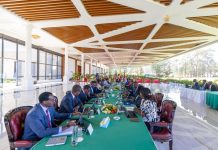
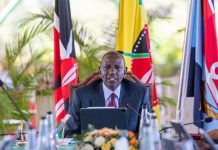
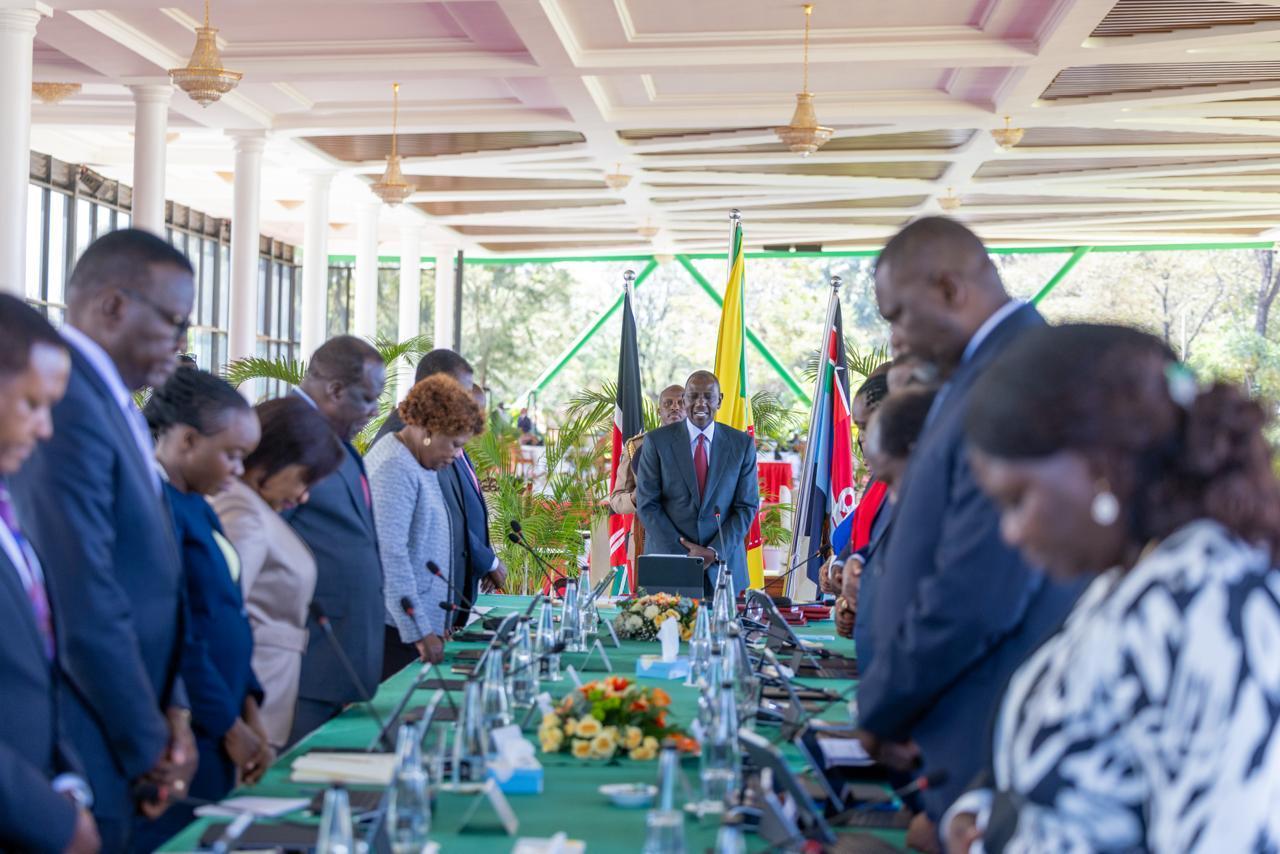
The approval was granted during a Cabinet meeting chaired by President William Ruto, paving the way for the submission of the 2026 Budget Policy Statement (BPS) to Parliament.
According to the Cabinet dispatch, the Budget projects total revenues of Sh3.53 trillion against total expenditure of Sh4.7 trillion.
Expenditure allocations include Sh3.46 trillion for recurrent spending, Sh749.5 billion for development expenditure, Sh495.7 billion in transfers to county governments, and Sh2 billion set aside for the Contingency Fund.
“Cabinet has also endorsed the financial year 2026/27 Budget, totalling Sh4.7 trillion. The Budget projects total revenues of Sh3.53 trillion against total expenditure of Sh4.7 trillion,” the dispatch read.
“Expenditure allocations comprise Sh3.46 trillion for recurrent spending, Sh749.5 billion for development, Sh495.7 billion in transfers to county governments, and Sh2 billion for the Contingency Fund. The 2026 Budget Policy Statement marks a transition from fiscal stabilisation to scaled-up investment to drive the next phase of economic growth.”
Under the Division of Revenue Bill, 2026, county governments are set to receive Sh420 billion as an equitable share, representing 21.9 per cent of the most recent audited revenue in line with constitutional requirements. An additional Sh15.2 billion has been allocated to the Equalisation Fund.
Further allocations under the County Governments Additional Allocation Bill, 2026, amount to Sh75.7 billion, bringing the total proposed transfers to counties to Sh495.7 billion.
The government projects a positive macroeconomic outlook, with GDP growth expected to reach 5 per cent in 2025 and rise to 5.3 per cent in 2026.
The growth forecast is supported by favourable weather conditions, improved agricultural productivity, climate-smart investments, and continued implementation of BETA reforms.
“The macroeconomic outlook remains positive,” the Cabinet noted, citing resilience in key sectors and sustained reform momentum.
Priority spending in the 2026/27 Budget will focus on education, health, energy, infrastructure, agriculture, social protection and national security. The fiscal framework also emphasises structural reforms in public finance management, digitisation of government services, restructuring of State-owned enterprises, and expansion of public-private partnerships.
The Budget Policy Statement is the fourth under the Kenya Kwanza Administration and is expected to anchor the government’s fiscal strategy as it moves into what it describes as the next growth phase of its economic transformation agenda.
Parliament will now consider the document as part of the constitutional budget-making process.