Africa-Press – Kenya. Kenya will host a major international nuclear conference next month as it prepares to begin construction of its first nuclear power project.
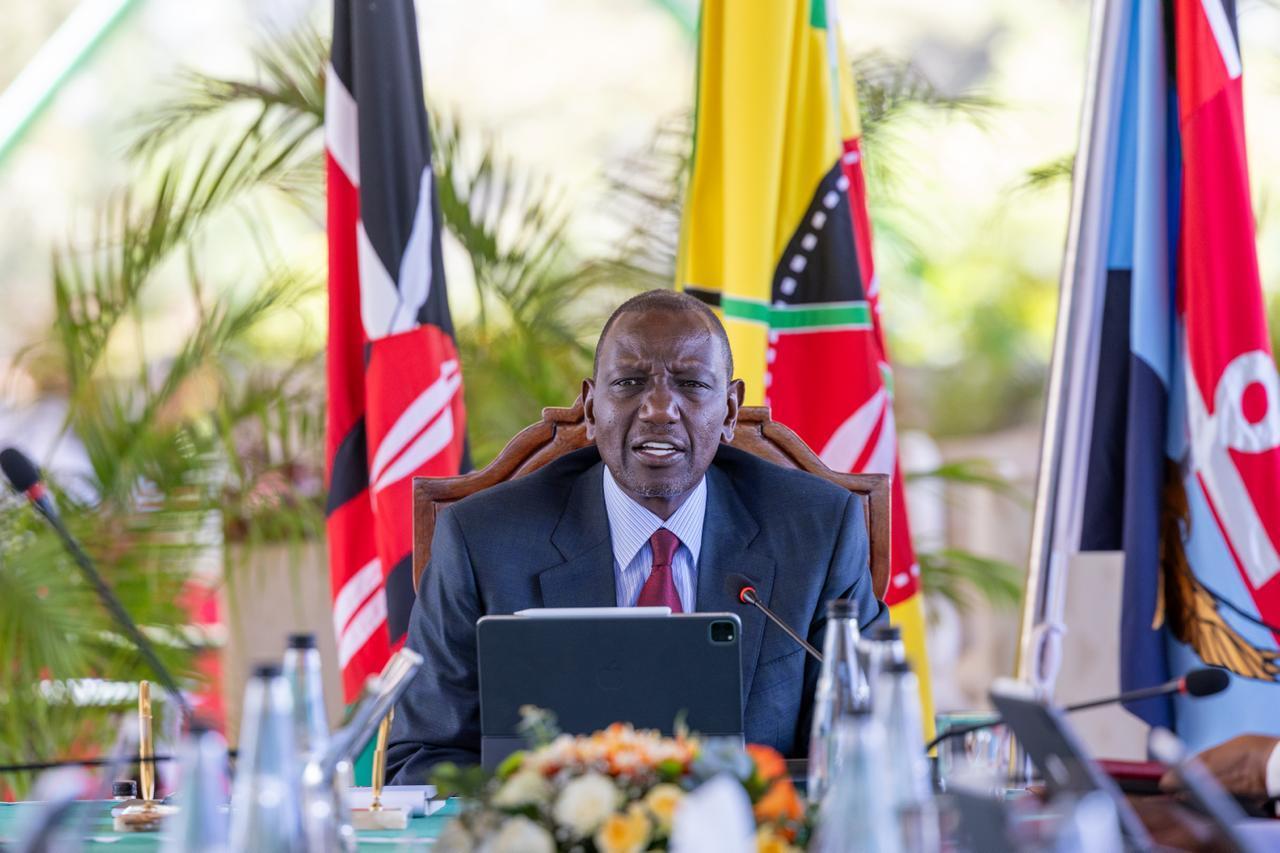
The Cabinet authorised Kenya’s hosting of the International Conference on Nuclear Energy (ICoNE 2026), which will be held in Mombasa from March 24 to 26 under the theme, “Harnessing Nuclear Energy for Africa’s Sustainable Development.”
President William Ruto is expected to officially open the three-day meeting, which will bring together governments, regulators, technical experts, investors and global nuclear institutions.
Organised by the Nuclear Power and Energy Agency (NuPEA) in partnership with international bodies, the conference aims to provide a platform for high-level dialogue on how nuclear energy can help Africa meet rising electricity demand, address climate change, and deliver reliable, low-carbon power.
NuPEA CEO Justus Wabuyabo told the Star that the conference comes at a critical time for the continent, where energy demand is rising rapidly due to population growth, urbanisation and industrialisation.
“Africa is at a turning point in its energy journey. Nuclear power offers a dependable, clean and long-term solution that can support industrial growth, job creation and climate resilience,” Wabuyabo said.
He added that Kenya’s hosting of the conference reflects growing confidence in the country’s nuclear preparedness and its ambition to play a leadership role in the region.
“Hosting ICoNE 2026 positions Kenya as a regional leader in energy innovation and demonstrates the steady progress we have made in building the policy, technical and institutional foundations for a safe nuclear power programme,” he said.
The conference will gather about 1,000 participants from across Africa and beyond, including national and county governments, international organisations, development partners, financial institutions, academia and the private sector.
Discussions will focus on nuclear power’s role in Africa’s clean energy transition, strategies for financing large-scale projects, safety and regulatory frameworks, and lessons from countries that have successfully developed nuclear programmes.
Technical sessions, panel discussions, capacity-building workshops and an exhibition of nuclear technologies will form part of the programme. The forum will also provide an opportunity for African countries at different stages of nuclear development to share knowledge, best practices and practical lessons.
Kenya plans to begin construction of its first nuclear power plant in 2027, as part of efforts to diversify its energy mix and ensure reliable baseload power to support industrialisation.
The country currently relies heavily on renewable sources such as geothermal, hydropower, wind and solar, but officials say nuclear energy will provide additional stability to the national grid.
The government views nuclear power as critical to meeting climate commitments while supporting economic growth.
It complements the country’s renewable portfolio by providing consistent power that is not affected by weather or seasonal variations, and will be essential for powering industries, supporting manufacturing and enabling long-term development goals.
Beyond energy planning, the conference is expected to deliver economic and diplomatic benefits. By hosting global industry leaders and policymakers, Kenya aims to attract investment and strategic partnerships for its emerging nuclear sector. Officials also hope the event will boost public awareness and address concerns about nuclear safety.
The choice of Mombasa is also intended to support the country’s Meetings, Incentives, Conferences and Exhibitions (MICE) strategy by boosting tourism and showcasing the coastal city as a destination for global events.
Participants will include representatives from African governments, nuclear regulators, plant operators, potential host communities, and international agencies such as the International Atomic Energy Agency, alongside industry suppliers and research institutions.
At the end of the conference, delegates are expected to outline key policy recommendations and strategic roadmaps aimed at strengthening regional cooperation and accelerating Africa’s nuclear readiness.
“With Africa’s energy needs projected to rise sharply in the coming decades, the continent must explore all viable options to avoid power shortages that could slow economic progress,” Wabuyabo said.