
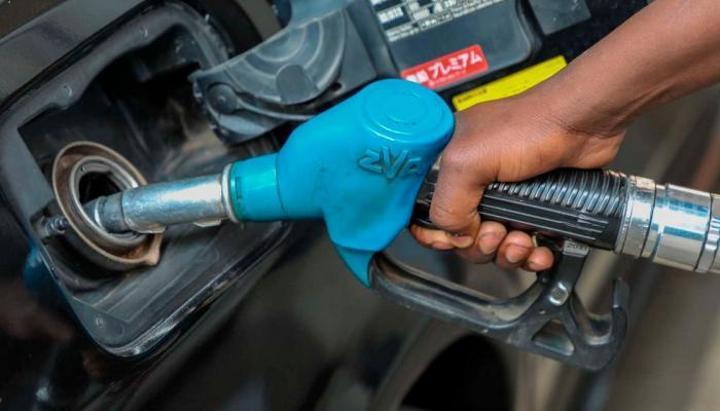
Africa-Press – Kenya. A wave of public anger is escalating in Kenya following the implementation of a new increase in fuel prices effective May 15, justified by the government due to rising import costs. Workers in the transport sector plan to carry out a widespread strike on Monday, May 18, 2026, in protest against deteriorating living conditions and rising operational costs.
Transport sector representatives have called for the strike, urging owners of private “matatu” buses used for public transport, taxi drivers, truck drivers, and all workers in the sector to unite in pressuring the government to lower fuel prices and reverse the recent increases.
Joseph, a motorcycle driver, stated that he has been unable to work due to his inability to purchase fuel, expressing his anger over the worsening economic conditions. He added that citizens are struggling to afford basic necessities such as rent, food, and school fees, accusing the government of ignoring people’s suffering.
The repercussions of rising prices are beginning to reflect on daily living costs. Eric Wangala, who sells boiled eggs and tomatoes at a street kiosk, noted that transportation costs have significantly increased following the fare hike for “matatu” buses, explaining that he used to pay about 30 cents to reach his workplace, but now pays nearly 50 cents, coinciding with rising food prices, particularly for tomatoes, which has negatively impacted his profits.
In some transport lines, prices have not yet been raised; however, sector workers confirm that economic pressures have become suffocating. Bernard Misiquio, responsible for passenger recruitment for one of the “matatu” buses, stated that raising transport prices would lead to a loss of a large segment of customers who cannot afford the additional costs, adding that many citizens may have to walk to work due to low wages and high living costs.
The protesters’ demands extend beyond lowering fuel prices; they also include calls for the resignation of the energy minister and the dissolution of the oil regulatory authority, amid accusations against the government of failing to contain the crisis.
The Kenyan Chamber of Commerce has expressed concern over the implications of rising fuel prices on production and transportation costs, warning of the impact on the competitiveness of Kenyan companies in local and regional markets.
Previously, the Kenyan government attempted to mitigate the effects of the previous increase by reducing the value-added tax on fuel; however, experts in the energy and transport sectors deemed those measures insufficient to address the escalating crisis.