
Africa-Press – Kenya. Kenya and its East African neighbours need to curb the export of raw materials and invest in value chains to reduce trade deficit with China and other foreign markets, business leaders have stated.
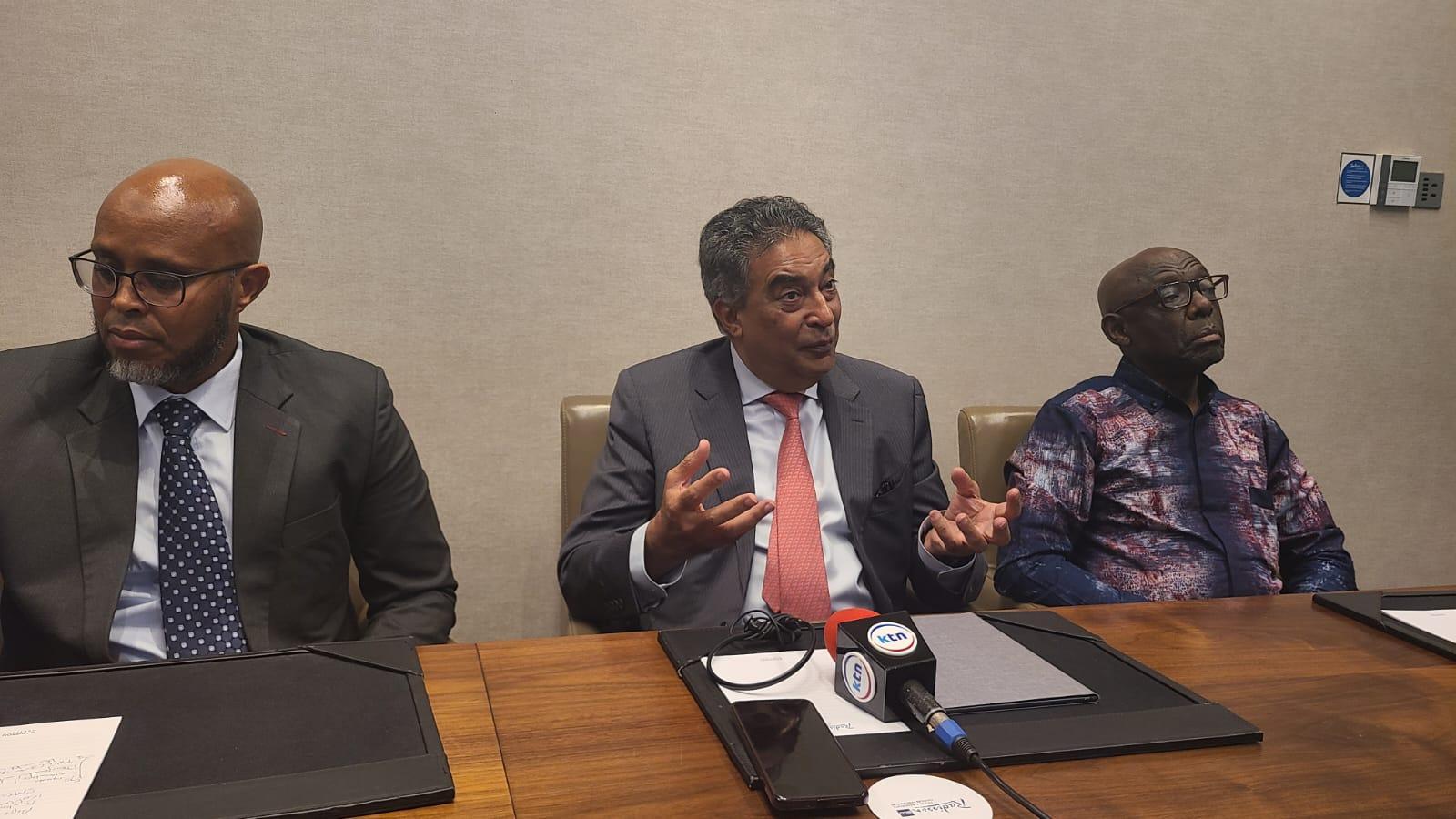
Speaking at a high-level Nairobi seminar on expanding Kenya–Asia trade corridor, KEPSA Chair and East African Business Council Kenya Vice Chair Jaswinder Bedi, said that lack of information and weal value chain has seen markets exploited.
Bedi noted that Kenya imports nearly $5 billion (Sh645 billion) worth of Chinese goods annually but exports barely $100 million (Sh12.9 billion) in return.
“The trade deficit is largely in their favour, East Africa needs to broaden its export basket and move from selling commodities to exporting finished goods,” said Bedi.
EABC Rwanda Vice Chair Denis Karera said Africa’s failure to organise its production systems has turned the continent into a supplier of cheap primary commodities—only to buy back expensive finished products from abroad.
He argued that Hong Kong could act as a critical gateway for East African firms seeking to penetrate the $18 trillion Chinese market.
But doing so will require regional cooperation in production, standards and supply chain organisation—particularly in agriculture and light manufacturing.
Karera gave examples from across Africa where disorganisation has allowed foreign companies, to dominate local value chains.
He cited Egypt’s marble sector and Central Africa’s timber industry, where foreign companies extract and export raw materials only to re-import the finished products into Africa at premium prices.
“Africans must take charge of their raw materials and add value. Today, the Chinese are the supply chain for East Africa. That must change,” Karera said.
He also pointed to Liberia’s rubber industry, where American companies own the plantations and control exports.
“Liberians have the rubber trees but cannot afford tyres. That is the price of failing to organise.”
EABC Executive Director Ahmed Farah said East African states must synchronise their production processes instead of competing on identical products.
Farah said EABC is pushing for harmonised standards, integrated payment systems, and a no-border policy to eliminate delays and non-tariff barriers that discourage intra-EAC trade.
Inter-African trade remains stuck at around 15 per cent, the lowest of any region in the world.
Farah pointed out that the East African Community (EAC) is Africa’s most advanced regional bloc and could become the building block for a functional Africa Continental Free Trade Area (AfCFTA).
“The only way we succeed is by harnessing each country’s strengths. Livestock, avocados, milk, hides—we can build regional value chains that are globally competitive,” said Farah.
He added that East Africa intends to increase its share of exports to Asia, which stood at only 25 per cent in 2024, even though 60 per cent of its imports come from Asia.
Hong Kong Trade Development Council deputy director for middle east said that the forum stands ready to link East African businesses to Chinese buyers and investors.
“There are plenty of opportunities,” the council said, noting that the region must focus on building capacity, improving standards, and partnering with credible firms to benefit fully from China’s vast market.