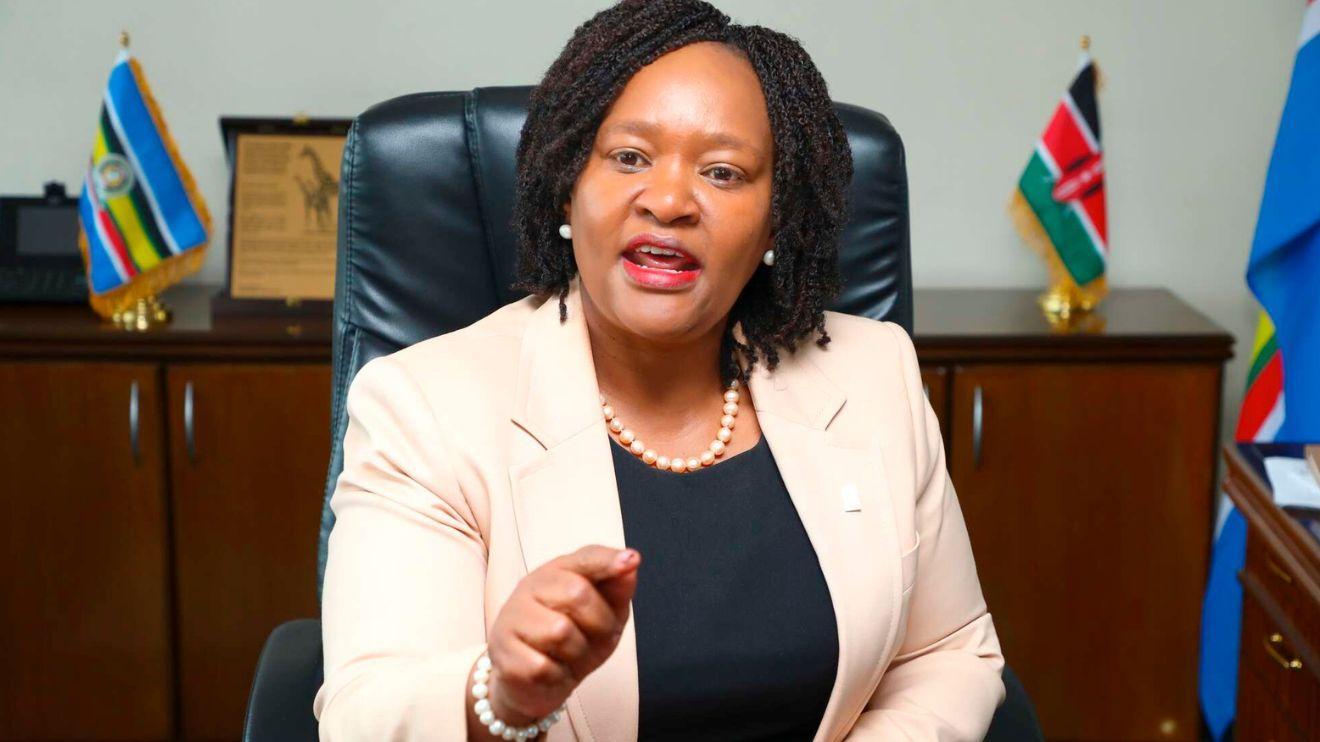
Africa-Press – Kenya. Tourism Cabinet Secretary Rebecca Miano has outlined an ambitious vision for Kenya’s tourism sector ahead of 2026, saying the industry is entering a decisive phase defined by growth, inclusion and sustainability.
Speaking on the sector’s outlook, Miano said tourism remains a cornerstone of the economy and a powerful expression of Kenya’s national identity, but stressed that the next phase of growth must deliver broader and more lasting benefits.
“Tourism has always been central to our economy and to who we are as a people. As we look to 2026, our focus is on reimagining the sector so that growth is inclusive, resilient and delivers real value to our communities and future generations,” she said.
The Cabinet Secretary revealed that the government is targeting five million international visitors annually by 2026, alongside a significant increase in tourism revenues.
She said the targets go beyond headline figures and directly affect livelihoods and conservation efforts.
“These numbers are not just statistics. They translate into jobs for our youth, improved livelihoods for communities and stronger financing for conservation, which is critical to national development,” Miano noted.
Kenya’s natural assets — from the Maasai Mara and other wildlife ecosystems to the Indian Ocean coastline — will continue to anchor the industry.
However, she said the country must move beyond over-reliance on traditional safari and beach tourism in response to shifting global travel trends.
“In a changing global market, we cannot rely on a single tourism model. Diversification is no longer optional; it is essential for competitiveness,” she said.
The sector is expanding into new growth areas, including meetings, incentives, conferences and exhibitions (MICE), sports tourism, cruise tourism, film tourism, cultural heritage experiences and eco-tourism.
According to Miano, these segments are intended to attract visitors year-round, lengthen stays and spread tourism earnings to new regions.
Community-based tourism has been placed at the centre of the strategy, with the CS emphasising local ownership and participation.
“When communities are empowered as owners and direct beneficiaries of tourism, conservation becomes stronger and tourism becomes a truly shared national endeavour,” she said.
She added that communities living alongside wildlife are being supported to earn income from conservation, culture and hospitality.
Sustainability, Miano said, remains a non-negotiable pillar of the vision, particularly in the face of climate change, biodiversity loss and environmental degradation.
“Our goal is not just the survival of wildlife, but long-term prosperity built on responsible tourism, conservation financing and low-impact experiences that protect our ecosystems,” she said.
The CS also cited improved connectivity and ease of travel as critical enablers, pointing to expanded air access, upgraded tourism infrastructure, visa reforms and the use of digital platforms to market Kenya globally.
She said strong public-private partnerships are helping position the country competitively on the world stage.
As the new year begins, Miano expressed confidence in the sector’s trajectory but said success would depend on collective effort.
“Government, the private sector, communities and our international partners must work closely together. Tourism has always been one of Kenya’s greatest stories, and by protecting our heritage and pursuing bold growth, we are laying the foundation for shared prosperity well beyond 2026,” she said.