
Africa-Press – Kenya. The government is planning to ride on easing global borrowing costs to float new dollar-denominated bonds to buyback portions of its 2028 and 2035 Eurobonds.
Yields on those bonds have been on a decline since October last year, with Bloomberg data showing that they eased further to 6.14 per cent on 2028 and 7.14 per cent on 2032, indicating improved market pricing ahead of the transaction.
Lower yields generally translate to cheaper borrowing costs for issuers and suggest growing demand for Kenya’s debt among international investors.
In a prospectus seen by the Star, Kenya is offering to repurchase up to $350 million (Sh45.2 billion) of its eight percent amortising notes due May 2032. It is also making an offer for up to $150 million (Sh19.4 billion) of its 7.25 per cent notes due February 2028.
The country issued the two bonds worth $1 billion and $1.2 billion in October and February last year, respectively, to buy back bonds that were coming due, after concerns that the country was about to default on a Eurobond issued in June 2024.
In both cases, the government has sweetened the bid with premiums above par — approximately $1,055 per $1,000 for the 2032 debt and $1,035 per $1,000 for the 2028 tranche — plus accrued interest, making early redemption more attractive to holders.
The repurchase bids began this week and run through Thursday next, with the operation contingent on successful pricing and issuance of the new dollar bonds Kenya plans to offer in global markets.
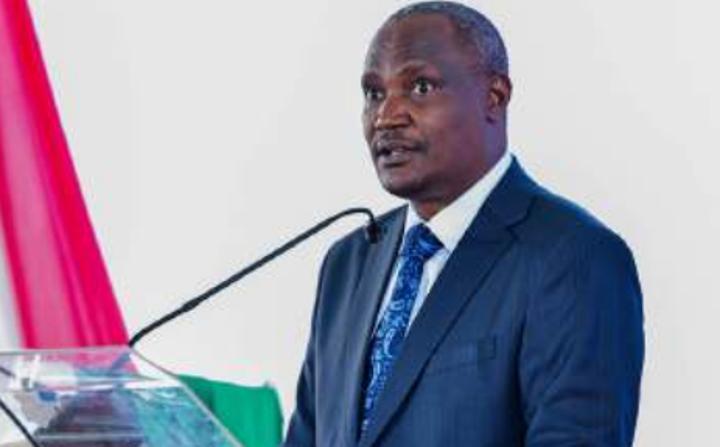
This action is coming less than a week after National Treasury Cabinet Secretary, John Mbadi, told financial journalists in Nairobi that the country was considering issuing more international bonds to pay off maturing debt in a bid to smooth its repayment schedule.
“The debt operation is part of a broader liability management push aimed at reducing refinancing risk and cutting overall borrowing costs after recent moves in international markets showed improved appetite for Kenyan paper,’’ Mbadi said.
Analysts say these drops in yield — modest though they are — create a more favourable environment for Kenya to refinance or restructure its obligations.
“This is a proactive debt management, pointing to better market conditions and the need to spread out repayment obligations that might otherwise accumulate as large bullet payments in the face of tight fiscal budgets,’’ debt management expert, Paul Kemboi, told the Star.
“This strategy mirrors prior transactions in both 2024 and 2025 in which Kenya tapped international markets to retire maturing obligations and stretch out debt maturities.”
While the moves reflect tactical agility in managing sovereign debt, some observers caution that relying on fresh issuance to retire existing debt can substitute expensive liabilities rather than diminish the overall debt burden.
Last month, S&P said that broad improvements in Kenya’s macroeconomic indicators and investor sentiment would be critical to ensure the long-term sustainability of its debt strategy.
The move is also coming just weeks after Moody’s upgraded the nation’s sovereign credit rating, offering a significant vote of confidence in the country’s recent economic management and easing concerns about near-term default risks.
In a statement issued January 27, 2026, the global ratings agency said it had upgraded Kenya’s local and foreign currency long-term issuer ratings, as well as its foreign currency senior unsecured debt ratings, to B3 from Caa1, while revising the outlook to stable from positive.
Kenya’s external debt has been under pressure for several years, with the government navigating a crowded maturity calendar and the twin challenges of slowing revenue growth and climate-linked spending demands.
The country’s total public debt currently stands at 11.81 trillion.
Recent liability management operations have included buybacks of other eurobond tranches and new issuances designed to extend maturities.
By linking the repurchase of older, shorter-dated notes to fresh dollar bond issuance, Nairobi aims to flatten its future repayment profile and take advantage of relatively lower rates before any adverse shifts in global rates.