What You Need to Know
Kenya Railways has revised its freight tariffs to align with rising operational costs while retaining incentives for key routes. The new pricing framework, effective April 1, aims to enhance commercial sustainability and improve financial performance amid competition from road transport. The adjustments reflect a shift towards a more dynamic pricing model, allowing for adjustments based on fuel, a
Africa-Press – Kenya. Kenya Railways has revised its freight charges in a move aimed at aligning pricing with rising operational costs, while preserving targeted incentives designed to sustain cargo volumes.
The new pricing framework, contained in Tariff Notice No. 4 of 2026, took effect on April 1 and replaces the 2021 tariff structure.
It reflects a broader shift by the State corporation toward commercial sustainability under the Government-Owned Enterprises Act, 2025, which grants it pricing autonomy based on cost recovery, efficiency and market competitiveness, while pushing to raise enough top repay loans and fund key rail projects.
Key routes that have seen an upward adjustment include Kilindini (Mombasa) and Nairobi, where traders will pay $550 (Sh71, 087) per 20-foot container up from a previous $500 (Sh 64,625), for imported local and transit goods.
Naivasha-Malaba will see importers pay $465 (Sh60,101) per 20-foot container up from a various rate of between $350 (Sh45,237) and $450 (Sh58,162), while a 40-foot container will cost $650 (Sh84 012) from $610 (Sh78,842).
There is however an incentive for Mombasa-Naivasha whose rate has been put at a flat rate of $600 (Sh77,550 ) and $700 (Sh90,475) for a 20-foot and 40-foot container, respectively, from between $650 (Sh84,012 ) and $750 (Sh96,937) and a previous charge of $856 (Sh110, 638) and up to $1,015 (Sh131,188 ), depending on tonnage.
Naivasha-Kisumu tariffs have however gone up to $465 (Sh60,101 ) and $650 (Sh84, 012) from $450 and $610.
Last mile delivery charges from Inland Container Deports, mainly Nairobi, will cost between Sh10,000 and Sh45,000 depending on destinations key among them being Athi River, Industrial Area, Thika and Nanyuki.
Costs of moving empties back to the port however remain low, averaging $50 (Sh6, 462) and $70 (Sh9,047) for the two container sizes commonly used in international trade.
Export empties rage between $100 and $360 (Sh46,530) depending on the container size and originating point.
Refrigirated containers will cost between Sh84, 012 and Sh142, 175 between the three key destination of Mombasa, Nairobi and Nairobi, while returing empties will cost $300 (Sh38 775).
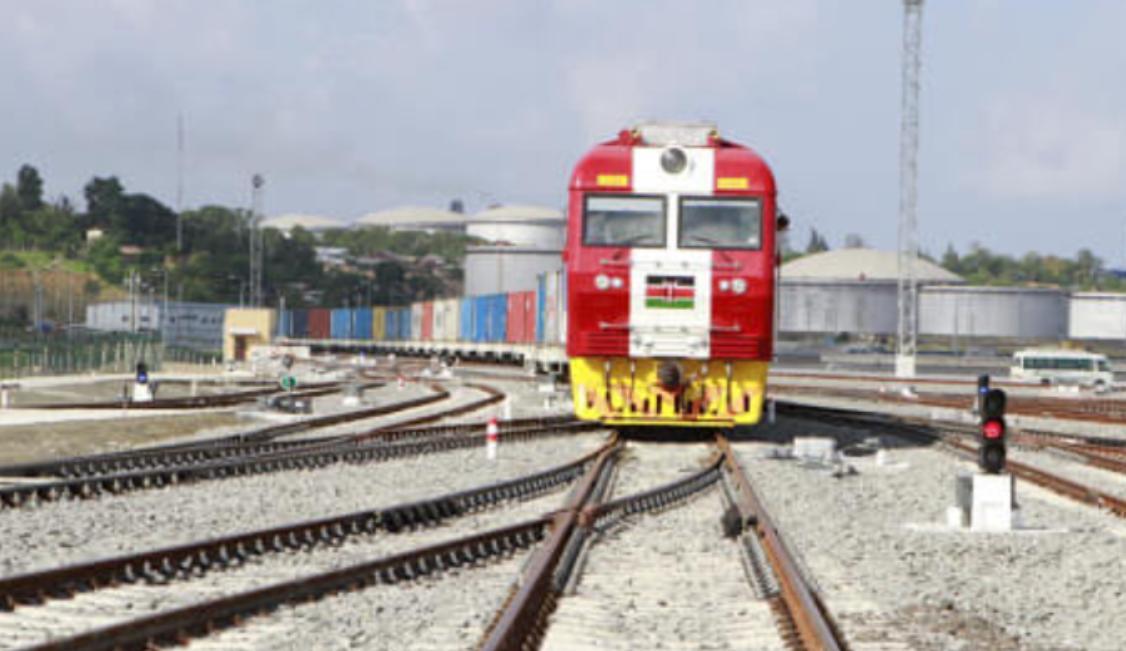
The new tariffs touch on both SGR, Meter Gauge Railway and marine services in Lake Victoria.
Kenya Railways says the adjustments are informed by changing fuel prices, maintenance costs, and broader operational demands.
“The corporation has also embedded a fuel price adjustment mechanism, allowing tariffs to rise or fall depending on movements in diesel prices as published by the Energy and Petroleum Regulatory Authority (EPRA),” it says in the tariff notice.
This signals a shift away from static pricing toward a more dynamic, market-responsive model, as the operator seeks to reduce reliance on government support and improve financial performance.
Even as freight rates are adjusted upward in some areas, the corporation has retained and in some cases strengthened incentives aimed at improving cargo flows, particularly in the “down direction” (toward the coast).
This approach is designed to tackle a long-standing inefficiency in Kenya’s freight logistics, empty return trips.
By offering cheaper rates for cargo headed back to the port, Kenya Railways hopes to attract exporters and domestic shippers, thereby maximising wagon utilisation and improving overall network efficiency.
Industry players have however said with the continued delay in railage, the intended increase is ill-timed.
“KRC should ensure reliability and efficiency first. The increase on some routes will hurt the already struggling businesses. KRC should have considered compensation to Shippers for delayed railage even as they introduce demurrage compensation to themselves,” Shippers Council of Eastern Africa CEO, Agayo Ogambi, told the Star.
Kenya Railways, he said, must endeavour to attract more business through economies of scale and increase their market share to over 35 per cent to 40 per cent.
“They should consider improved volume discounting and engage stakeholders on their competitiveness and service delivery,” Ogambi said.
Railway transport has continued to face competition from road transport which offer cheaper rates and convenience mainly in last mile delivery and transit routes, where they make express trips.
The Standard Gauge Railway has historically operated at a loss, largely driven by high loan repayment costs and operational expenses exceeding revenue.
While freight and passenger revenues have grown, with some operational improvements by 2025, the overall net losses are exacerbated by billions in interest on debt, which left Kenya Railways with a net loss of Sh28.17 billion in the year ending June 2025.
The revised tariffs hence underscore the delicate balance Kenya Railways must strike between maintaining competitive pricing and ensuring financial viability.
To remain attractive, Kenya Railways has kept certain rates relatively stable on high-volume corridors such as Mombasa–Nairobi and Mombasa–Naivasha, while introducing targeted adjustments elsewhere.
Kenya Railways has faced significant challenges in maintaining profitability, primarily due to high operational costs and loan repayments. The introduction of the Government-Owned Enterprises Act, 2025, has allowed the corporation to adjust pricing autonomously, aiming for cost recovery and market competitiveness. This shift is essential for improving financial viability and reducing reliance on government support, especially as the railway sector competes with road transport for cargo movement.