
Africa-Press – Kenya. Manufacturers in Kenya are concerned over the new digital tax system, saying it may expose them to higher taxes due to failure by suppliers and service providers to adopt digital invoices.
They say limited education, slow supplier adoption and frequent system failures undermine businesses’ ability to meet Kenya Revenue Authority requirements.
With the June tax filing deadline approaching, businesses are worried that they may be forced to shoulder tax burden for non-compliant entities.
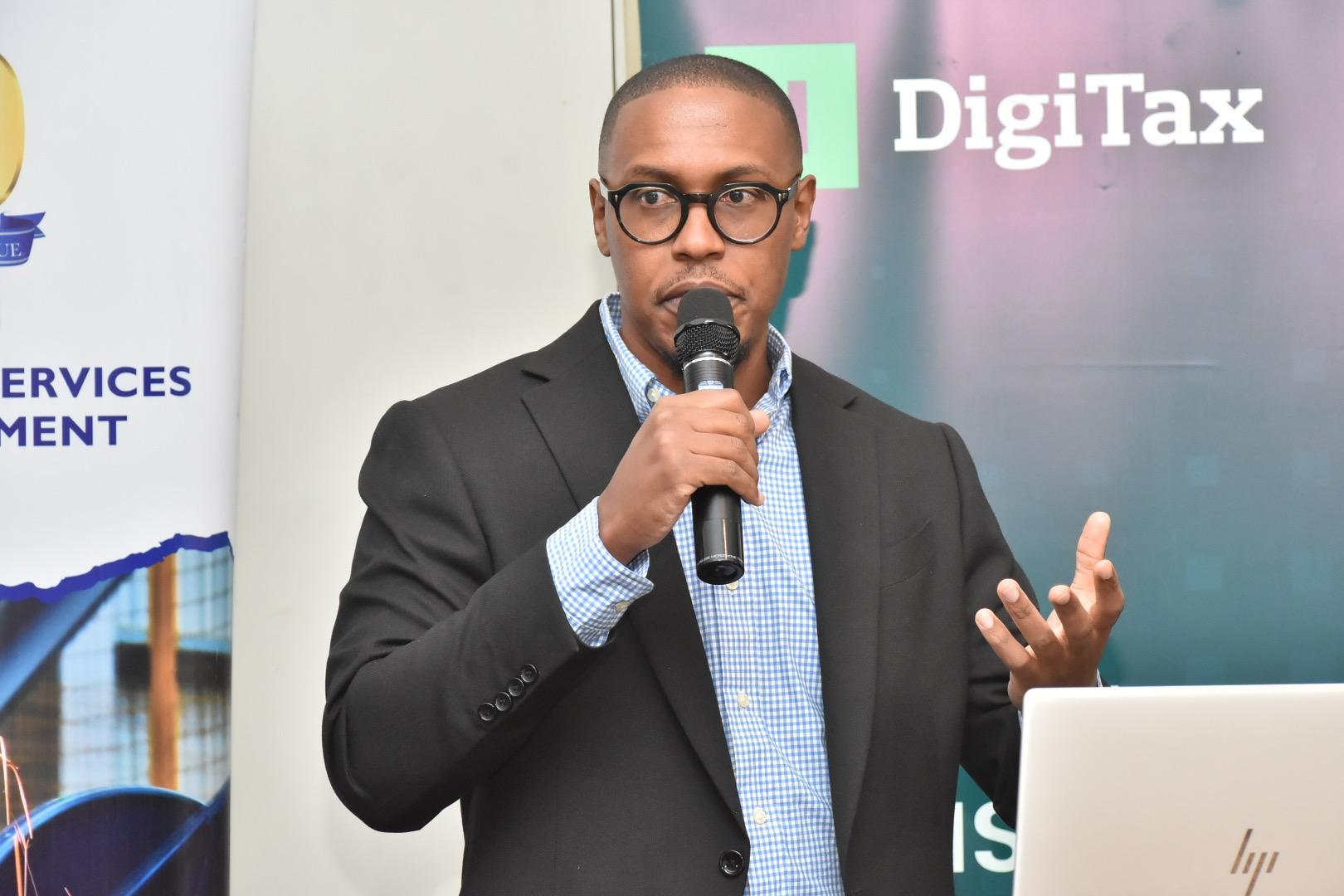
In a session between DigiTax, Kenya Association of Manufacturers and KRA, business owners raised concern about the operational challenges tied to Value Added Tax compliance under the Tax Invoice Management System and electronic TIMS (eTIMS).
Digitax, Co-founder and Chief Operating Officer Thuku Wa Thuku said that as much as E-TIMS has been around for close to three years, taxpayers were not aware of how to use it or how to use it consistently.
“A lot of taxpayers don’t even understand the repercussions of not being tax-compliant, especially when they can’t offset their expenses,” said Thuku.
According to taxpayers who attended the session, they are facing system downtime ranging from daily glitches to full-day outages, making it difficult to transmit invoices reliably.
They say the disruptions have significantly slowed operations for high-volume taxpayers who depend on constant invoice processing.
The situation is worse for companies that require multiple TIMS devices due to large transaction volumes downtime in one device quickly multiplies across the entire chain.
Businesses also cite cases where only some invoices, or none at all, are transmitted to KRA.
This leaves discrepancies between their actual sales and the records visible on the KRA portal, increasing the risk of penalties during audits and complicating VAT reconciliation.
Wa Thuku notes that proper transmission and validation should be central to compliance.
“Good compliance means that the solution transmits data in the right format, at the right time, and that there is a mechanism to validate that the information actually reached the tax system,” he said.
Digitax noted that since the rollout of eTIMS, many TIMS device suppliers have drastically reduced customer support.
Critical system issues now take longer to resolve, leaving manufacturers stranded during peak operational periods.
Service providers argue that consistent support is essential for E-TIMS to function as intended.
“At the end of the day, system support is required whether a manufacturer is integrating directly with KRA or working through a service provider,” a presentation done jointly by KAM showed.
Businesses are also decrying the emerging challenge of rise of suppliers issuing credit notes after payment without proper notification, creating major reconciliation problems.
Manufacturers say these backdated or surprise credit notes distort accounts, compromise VAT claims, and place businesses at risk of being flagged for mismatched records.
Stakeholders at the forum pointed out that large formal manufacturers remain dependent on thousands of informal sector suppliers many of whom are unwilling or unable to issue eTIMS-compliant invoices.
Under the new 2026 validation rules, expenses supported by non–eTIMS invoices risk being rejected, putting manufacturers’ deductibility at risk.