Africa-Press – Kenya. ODM party leader Oburu Odinga has said the party’s autonomy, identity and founding principles remain intact despite its continued support for the broad-based government formed following a political pact entered into by former party leader Raila Odinga and President William Ruto.
Raila signed a ten-point working agenda with President Ruto on March 7, a move that effectively formalised cooperation between the opposition Orange Democratic Movement and the ruling United Democratic Alliance (UDA).
The agreement paved the way for ODM to support key government policies while maintaining its distinct political identity.
The broad-based arrangement emerged at the height of the Gen Z-led anti-government protests that nearly crippled Ruto’s administration at its peak in June 2024.
The demonstrations, driven largely by public anger over the proposed 2024 Finance Bill, triggered widespread unrest across the country and forced the government to seek political consensus to stabilise the situation.
The UDA–ODM cooperation has largely been credited with easing public outrage following the passage of the highly controversial Finance Bill, which had sparked sustained protests and resistance from sections of the public.
The unity deal was presented as a framework for dialogue and shared responsibility in addressing pressing national challenges.
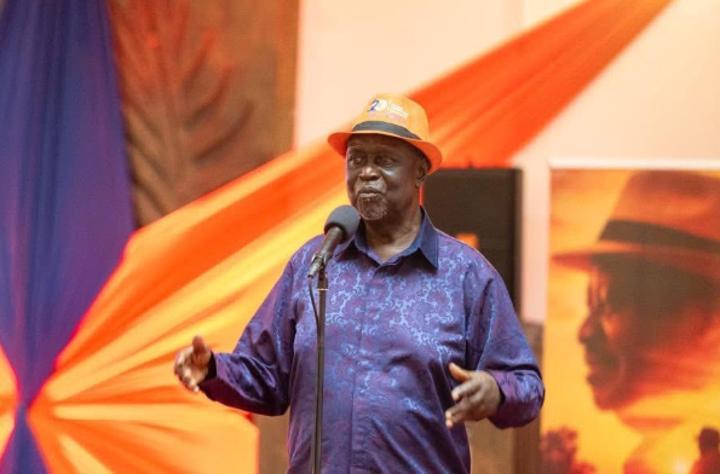
Speaking at a public forum during the Christmas period, Oburu said ODM’s participation in the government was never premised on electoral support for President Ruto but rather on the need to secure development for its supporters and the country at large.
He described ODM’s entry into the arrangement as unconventional and conditional.
“You know, in this government where we are now, we came in through the window because we did not vote for William Ruto. This is not a government we voted for, I think all of you are aware,” he said.
Oburu took over the ODM party leadership following the death of his younger brother, Raila Odinga, the former Prime Minister and long-time opposition chief, who died on October 15 while undergoing treatment in India.
Raila’s death marked a turning point for the party, which has for decades been shaped by his leadership and political influence.
His passing triggered internal debate within ODM over the nature and future of its association with the Ruto administration, particularly on whether the party should support the President’s re-election bid.
The disagreements exposed differing interpretations of the March 7 pact and its political implications.
One faction within the party has maintained that backing Ruto’s re-election was never part of the agreement between Raila and the President.
Another faction argues that the working relationship with the government was only intended to last until the 2027 General Election and should not extend beyond that period.
Oburu, who had in the months following Raila’s death appeared to support Ruto’s re-election bid, struck a different tone in his remarks, suggesting that ODM would prioritise strengthening its internal structures ahead of the next polls and potentially field its own presidential candidate.
“We are in the government, and we don’t like being there. We are working together nusu nusu. We are working in this government with a specific agenda, which is there in the ten-point agenda which we put forward.
“Meanwhile, we shall continue to strengthen our party, when we come to 2027 by that time, we shall have had enough because we want development,” Oburu said.
He reiterated that ODM’s involvement in government remains anchored on the implementation of the agreed development agenda and not on political alignment ahead of future elections, insisting the party would make its decisions at the appropriate time based on its interests and those of its supporters.