Thomas Malthus
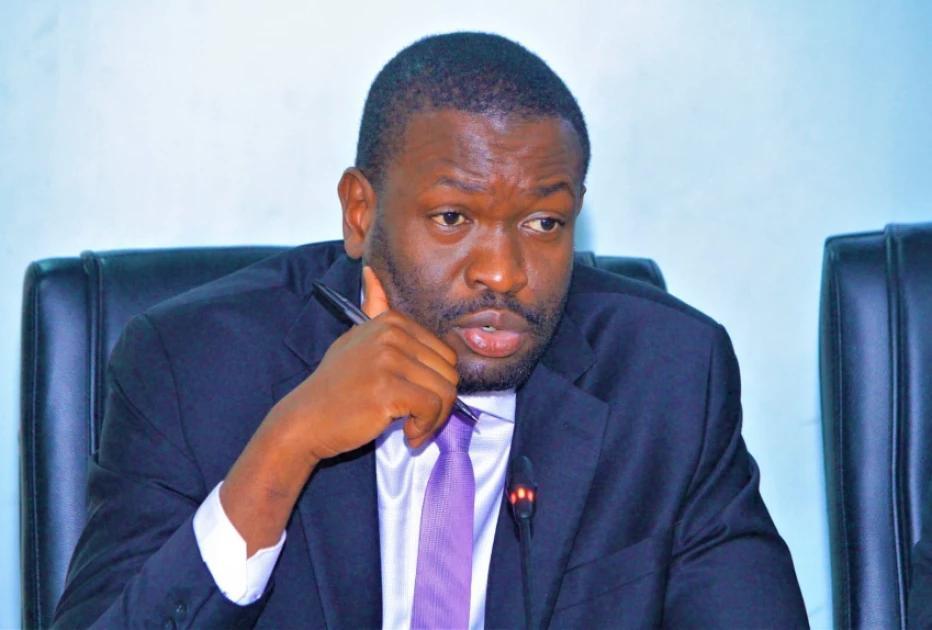
Africa-Press – Kenya. ODM party is sharply divided. Its National Executive Committee has removed Senator Edwin Sifuna as secretary-general and ousted Saboti MP Caleb Amisi from the party’s NEC amid factional battles over strategy ahead of the 2027 election.
Some leaders accuse detractors of indiscipline and insist decisions are constitutional. Critics say the moves target members who oppose deeper ties with President Ruto’s United Democratic Alliance.
A strong opposition is vital for Kenya’s democratic health. When political parties blur the line between government and opposition, they lose credibility and fail their core oversight roles.
A striking example is South Africa, where the once-robust opposition weakened as elements moved closer to the governing party.
Without effective pushback, executive power went unchecked and governance suffered from corruption and policy drift.
Kenya’s own history proves the value of firm opposition. The 2010 Constitution was born out of sustained pressure by opposition leaders and civil society who demanded limits on executive power after years of excess under the old order.
ODM cannot credibly claim to defend democratic accountability while inching into the corridors of state power. A party that hedges its position risks pleasing neither its base nor the broader electorate. It becomes easier for rivals to paint it as opportunistic rather than principled.
So the party must choose clarity of purpose. If it wants to be a beacon for checks and balances, it should reject alliance arrangements that dilute its watchdog role, and instead champion institutional integrity and accountability. That stance would serve Kenya well in the long run.
“The greatest talents have been frequently misapplied and have produced evil proportionate to the extent of their powers.”
Source: The Star