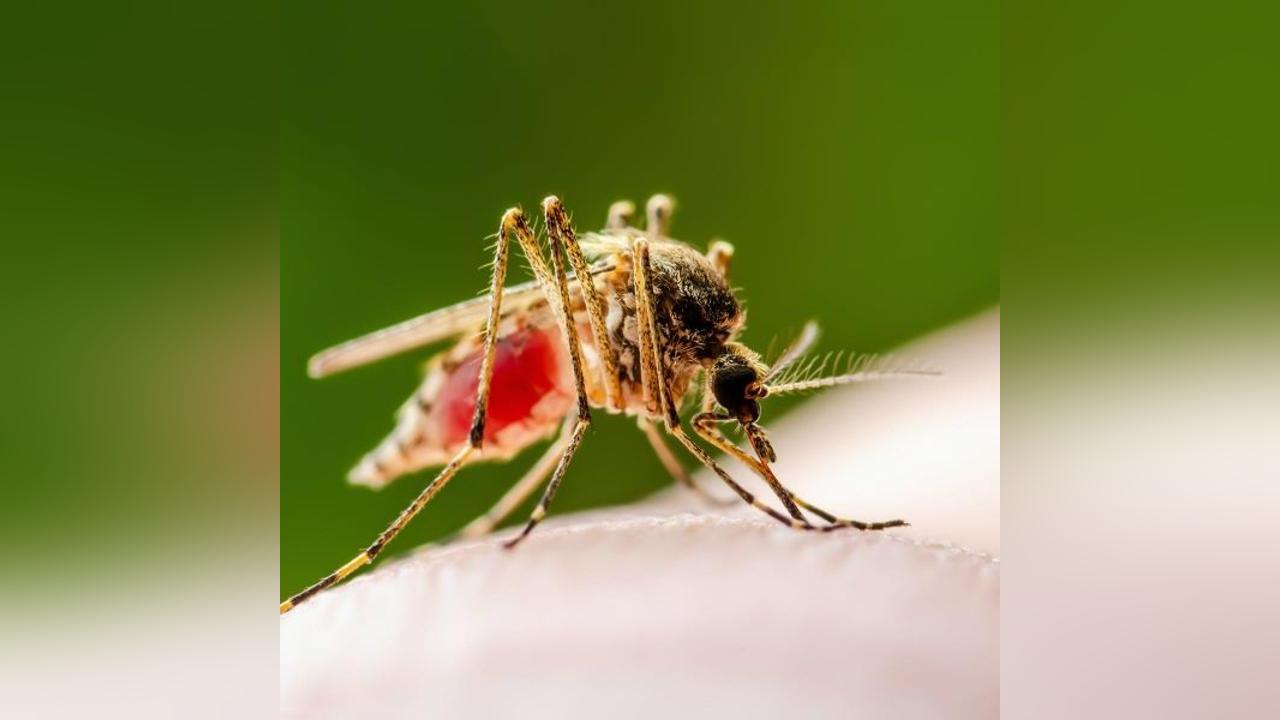
Africa-Press – Kenya. Kenya will be required to shift the focus in the fight against malaria to urban areas in the new advisory by the World Health Organization.
For years, malaria response has focused on the rural areas but the WHO now warns that the percentage of people living in urban areas in years to come will soon exceed that in rural areas.
The global health agency warns that large-scale urban migration will come with risks such as emergence of more informal settlements and irregular and unsafe water supplies, which are also associated with increased malaria risk.
WHO says mosquito control requires provision of reliable piped water, improved housing, drainage and environmental management.
This will also increase the problem of imported malaria from rural to urban areas.
It will in turn lead to the adaptation of mosquitoes to polluted waters, invasion by new mosquito species and, potentially, changes in the biting behaviour of mosquitoes.
“Many urban malaria cases may be due to infections acquired outside the city or town, without major risks of onward transmission in the urban setting,” the new advisory by WHO reads.
“These characteristics of malaria transmission and the malaria burden in urban areas require specific adaptations of preventive interventions and strategies to expand access to care to target clusters of transmission.”
The WHO said surveillance systems to document sources of infections are also needed yet many towns and cities are currently unprepared to deal with the control and elimination of malaria and other mosquito-transmitted diseases.
According to the health agency, malaria transmission in urban areas is usually focal, concentrated in pockets that have the right conditions for mosquito breeding.
“Disease surveillance systems should, therefore, be case based on collecting information on patient residence and travel history to assess the possible place of infection to help to ensure an effective, targeted response,” it said.
The WHO said that provision of reliable piped water, improved housing and drainage and management should be combined with use of insecticide and microbial-based interventions, complemented by chemoprevention and use of vaccines in high-risk groups, where appropriate.
“The uniform delivery of preventive interventions, such as insecticide-treated nets and indoor residual spraying, to entire urban populations is unlikely to be cost-effective.”
Malaria is a major public health problem in Kenya. Each minute a child dies from malaria in the country, according to the WHO.
Due to altitude, rainfall patterns and temperature, about 70 per cent of the Kenyan population is at risk of malaria.
Besides being the leading cause of morbidity and mortality in the country, the disease is listed among the top 10 causes of outpatient visits countrywide.
The disease burden, however, remains the highest in counties in the lake region who account for 70 per cent of the cases nationally.
Kenya still suffers an estimated 3.5 million new clinical cases and more than 10,000 deaths of malaria each year.
“Thirty four counties in Kenya have a prevalence of less than one per cent of malaria, [which is] very good progress. It means less children will be dying [and that also] means we will be saving lives,” Dr Willlis Akhwale said.
Dr Akhwale is the senior malaria adviser for the Africa Leaders Malaria Alliance and also the current secretary to the End Malaria Council.
The Ministry of Health has admitted that despite the efforts being put in to eliminate the disease, there have been emerging trends that if not checked, risk reversing the gains made.
The impact of climate change has seen areas that were previously not malaria zones now recording malaria cases and constant outbreaks.
(edited by Amol Awuor)
For More News And Analysis About Kenya Follow Africa-Press