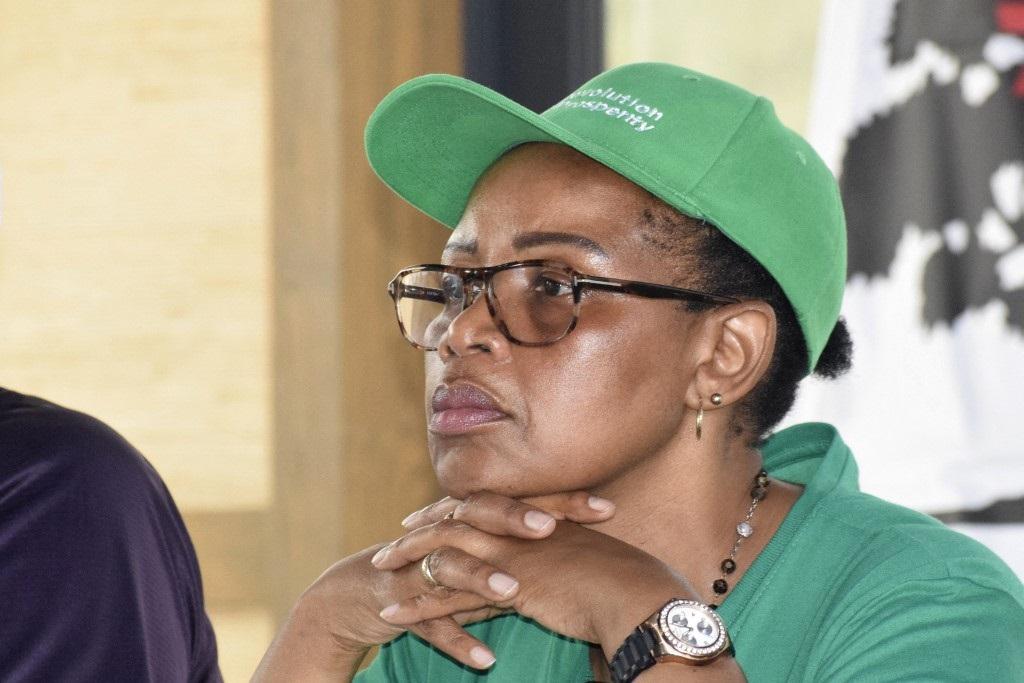
Africa-Press – Lesotho. Lesotho’s first female deputy prime minister and second female finance minister were sworn in last week, but the number of women in leadership positions remain low.
Nthomeng Majara, who became the first female chief justice in 2014 and served for a four-year term, added another first to her list of achievements last week when she was named deputy prime minister under the government of Sam Matekane.
Another pioneering woman, Adelaide Retselisitsoe Matlanyane, who was the first female to lead the country’s central bank, became the second woman in Lesotho’s history to take on the Ministry of Finance. In addition, Nthati Moorosi became the Minister of Information, Communication, Science, Technology, and Innovation.
Six things needed to promote peace and democracy
However, the appointments equate to only 20% of the 15 positions in the cabinet. Five women occupied positions in the previous 36-member cabinet. The World Economic Forum notes that in 156 countries, women hold only 26.1% of some 35 500 parliamentary seats and 22.6% of more than 3 400 ministerial posts.
As such, it could take 145.5 years to attain gender parity in politics. Gender imbalance According to Afrobarometer, 73% of Lesotho citizens say women should have the same chance men have of being elected to public office. However, public scrutiny in a largely patriarchal society holds women back. The report states:
But while more than seven in 10 (72%) citizens think a woman will gain standing in the community if she runs for office, majorities believe it’s likely she will be criticised or harassed by others in the community (60%) or will face problems with her family (52%).
The Basotho now endorse the right of a princess to become chief. “Nearly two-thirds (63%) of Basotho – including a slim majority (53%) of men – say daughters should have the same rights of succession to chieftaincy as sons,” the report stated.
A 2013 ruling by Lesotho’s top court, which bars princesses from succeeding their fathers as traditional chiefs, still stands. However, the Lesotho government has put in place laws to change the gender imbalance in public office.
The “zebra list,” which requires political parties to submit candidate lists in which women alternate with men for the 40 proportional representation seats (out of a total of 120 seats) in the National Assembly, is noteworthy.
A quota system at a local level requires at least 30% female representation on local councils. But the public feel like the government is not doing enough to push for gender equality.
Afrobarometer said: Only about one-quarter (24%) of Basotho say the government is doing fairly well or very well in promoting women’s rights and opportunities.
Almost three in four respondents (73%) say it should be doing more. The report also contained a finding that “men trail women in educational achievement, with less secondary schooling and a greater proportion who lack formal education altogether.
In South Africa more than a decade ago, the Constitutional Court struck down laws that denied women the right to succeed their male relatives in chieftainship.
For More News And Analysis About Lesotho Follow Africa-Press