Africa-Press – Lesotho. CENTRAL banks from across the Southern African Development Community met in Arusha yesterday to discuss the rising threat of artificial intelligence in the financial sector.
Officials warned that without proper oversight, these technologies could expose banking systems to new risks and disrupt regional economic activities.
At the 33rd meeting of the SADC Committee of Central Bank Governors’ Information, Communication and Technology, and Business Resilience Subcommittee, participants examined vulnerabilities in digital platforms, payment systems and online transactions.
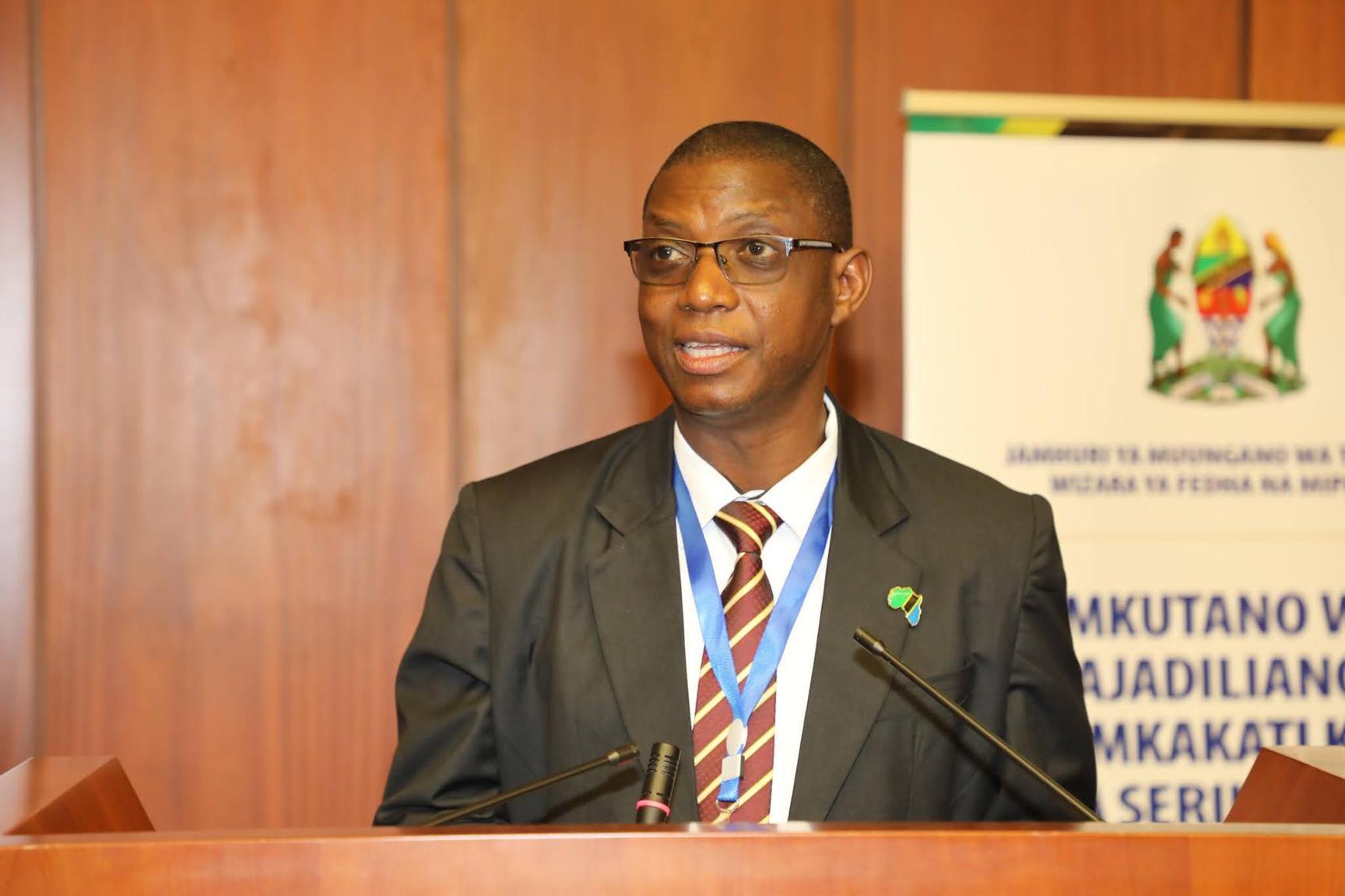
The Bank of Tanzania (BoT) Governor, Mr Emmanuel Tutuba, said when opening the meeting that ensuring business continuity and system resilience is critical to maintaining public confidence, facilitating cross-border trade, and safeguarding the smooth operation of financial markets across the region.
“At this meeting, we expect meaningful outcomes because the committee is currently addressing ICT related matters, given that information and communication technology has become one of the most widely used components in the financial sector,” said Mr Tutuba.
The Governor urged the subcommittee to examine risks in banking systems, including hacking of financial platforms, digital and online transactions, investments, and other related areas that are critical to ensuring smooth and uninterrupted banking operations.
The banks, he said, must ensure their operations and financial systems remain functional at all times so transactions can proceed without disruption. He said that any interruptions can cause financial losses for individuals and undermine the confidence of those who rely on payment systems for their economic activities.
According to him, efficient payment systems are essential for enabling money to move from one country to another, thereby supporting economic activities within SADC and helping member states achieve their shared objectives.
Mr Tutuba said that countries within SADC with relatively higher inflation rates could adopt effective systems used by others to better control inflation and achieve harmonised rates aligned with SADC targets.
The most recent regional figures suggest that average inflation in the SADC bloc has been in the high single digits, around 9.0 per cent in 2023, although rates vary widely between member states.
In contrast, Tanzania’s inflation remained low, averaging 3.3 per cent per year well below the region ceiling of 7.0 per cent.
BoT Director of Management Information Systems, Mr Michael Mtweve, said the meeting brought together Directors of Payment Systems from SADC central banks, along with officials responsible for risk oversight and system integration, to deliberate on collaborative strategies for developing robust systems that will enable central banks in the region to perform their mandates effectively.
He said that discussions also focused on emerging technologies such as artificial intelligence (AI) and the associated risks.
While AI can enhance efficiency and streamline operations, he cautioned that without proper regulation and supervision, it could also be exploited for criminal activities.