Africa-Press – Liberia. When US Congressman Chris H. Smith described the George Manneh Weah-led government as a “kleptocratic” regime, many Liberians had no idea what the senior US lawmaker actually meant, neither did they understand the severity of the impact that corruption or state looting had on the nation and its people.
It would take two years and nine months before the truth of that description started to be revealed as the US government began to lay bare how corrupt Liberian officials have been using political power to misappropriate the wealth of the nation, typically embezzling public funds at the expense of a struggling population.
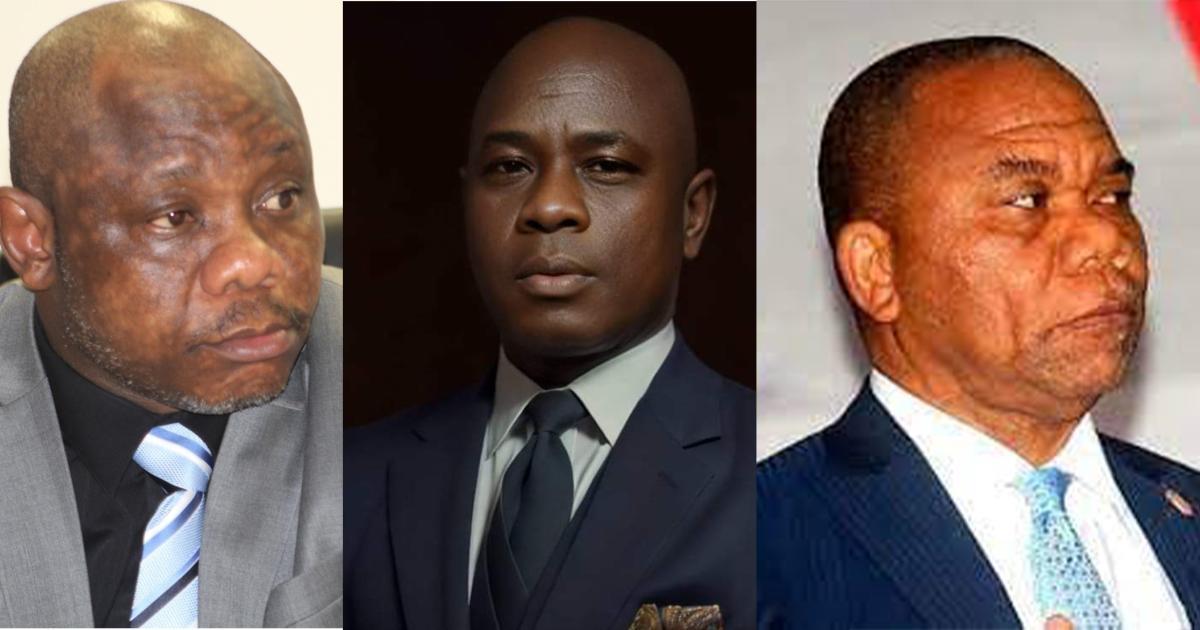
In what seems to be another crackdown on the kleptocratic tendency of the Coalition for Democratic Change (CDC) government, the United States government on Monday, December 11, designated three top Liberian officials for acts of corruption and abuse of public office. The sanctioned officials include Senate Pro-Tempore Albert Chie, Minister of Finance Samuel Tweah, former Speaker of the House of Representatives, and current Margibi County Senator Emmanuel Nuquay.
“Pursuant to Section 7031(c), the United States is publicly designating Tweah, Chie, and Nuquay, for their involvement in significant corruption by abusing their public positions through soliciting, accepting, and offering bribes to manipulate legislative processes and public funding, including legislative reporting and mining sector activity. As part of this action, their immediate family members are also designated, including their spouses Delecia Berry Tweah, Abigail Chie, and Ruthtoria Brown Nuquay, and Tweah and Nuquay’s minor children,” says a US State Department statement.
The designations of these top officials come as part of ongoing efforts by the US government to combat graft and hold accountable those responsible for undermining the rule of law and misusing public resources. In addition to these officials, their spouses and minor children have also been designated for sanctions.
The US government’s decision to target these individuals and their families is a strong signal that corruption and abuse of public office will not be tolerated. This move follows the previous sanctions imposed on six other high-ranking officials during the George Weah administration for similar offenses, including acts of corruption, abuse of power, and human rights abuses.
They include former Minister of State for Presidential Affairs (President George Weah’s Chief of office staff) Nathaniel McGill; Nimba County Senator Prince Y. Johnson; Grand Cape Mount County Senator Varney Sherman; former National Port Authority (NPA) Managing Director Bill Twehway; and former Solicitor General Syrenius Cephus were put under US sanctions recently.
On December 8th, the US Gov’t also sanctioned the Mayor of the City of Monrovia, Jefferson Tamba Koijee, who is also the Secretary General of the outgoing Coalition for Democratic Change (CDC). His is sanctioned for human rights abuses and stoking violence.
The latest round of sanctions comes on the occasion of International Anti-Corruption Day and the opening of the Conference of States Parties to the UN Convention Against Corruption on December 11, 2023. The United States said they are taking the following actions to promote accountability for corrupt actors around the world, including Liberia.
By imposing these sanctions, many believe, the US government aims to weaken the network of corruption in Liberia and send a clear message that those who engage in such activities will face severe consequences.
The designation of the officials and their families can have a far-reaching impact, limiting their access to financial resources and restricting their ability to travel internationally.
Corruption remains a significant challenge in Liberia, hindering economic development and undermining public trust in government institutions. The US government’s actions demonstrate its commitment to supporting the rule of law, good governance, and the protection of human rights in Liberia.
It is important to note that while the US government has taken a strong stance against corruption; it is ultimately up to the Liberian government to address and rectify these issues internally. The sanctions serve as a support mechanism in the fight against corruption, but Liberia needs to take decisive actions to promote transparency, accountability, and the efficient use of public resources.
Sanctions can have a powerful impact in deterring corrupt practices and encouraging responsible governance. However, it is crucial for all stakeholders, including the government, civil society, and citizens, to work together to create an environment where corruption is actively discouraged, and ethical behavior is valued.
Many Liberians are hoping that these sanctions will serve as a wake-up call for the Liberian government and prompt meaningful actions to tackle corruption, strengthen institutions, and restore public confidence.
By addressing these challenges, Liberia can work towards sustainable and inclusive development, where resources are utilized for the benefit of all its citizens, they believe.
For More News And Analysis About Liberia Follow Africa-Press