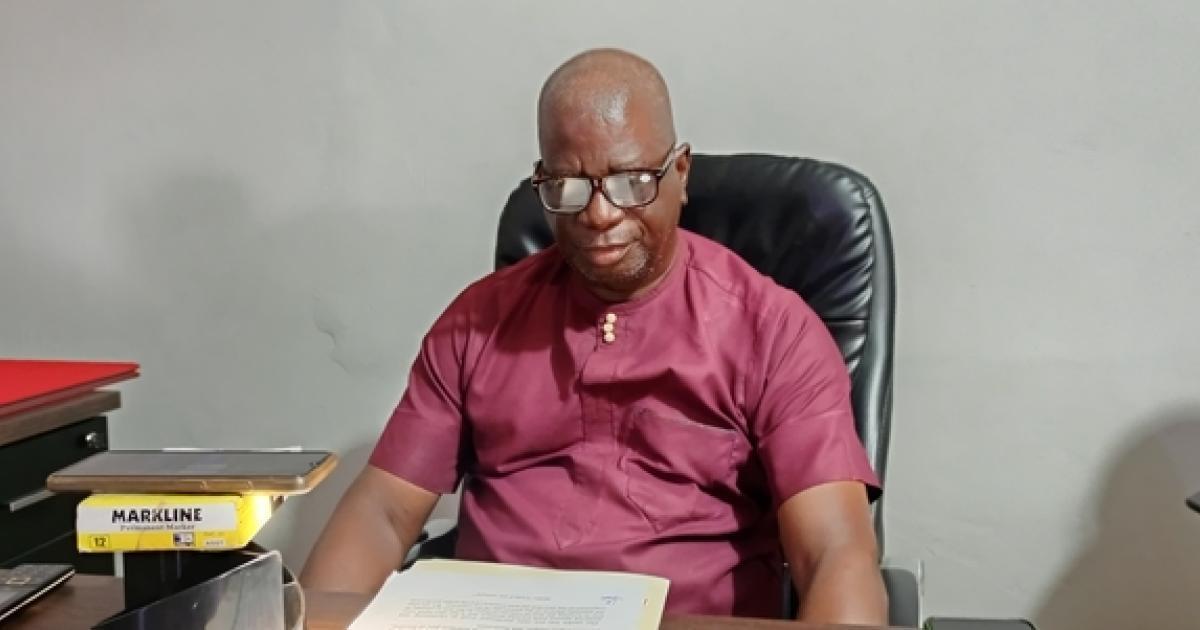
Africa-Press – Liberia. A group of Liberians, known as the Consortium of Rubber Sector Actors of Liberia (CORSAL), has called on the incoming members of the 55th National Legislature to revoke President George Weah’s executive order No. 124, which bans the exportation of unprocessed rubber from Liberia.
James W. Sayekea, Chairman of CORSAL, said that the group believes in the free-market system and holds dear its valuable principle of competition, which promotes and sustains free trade.
President George Manneh Weah last month issued Executive Order No. 124 banning the exportation of unprocessed natural rubber.
In the wisdom of the President, the sector has been greatly affected by abuse, misuse, and theft over the period. Therefore, to curb the situation, he believes that further strategy is necessary so that proper policies can be developed and an appropriate institutional and regulatory framework can be established to curb retrogression, sustain the development of the industry, and stimulate growth.
“From the date of this Executive Order, there shall be no exportation of unprocessed natural rubber from Liberia until otherwise advised,” the executive order declared. “Unprocessed natural rubber shall be defined as the raw material tapped from rubber trees, not having gone through any processing to change its physical or chemical composition; or natural latex, coagulum, cup lump, tree lace, bark scrap, ground scrap, and any other form of unprocessed or processed natural rubber (including concentrated latex and dry rubber produced or derived from the latex produced by rubber trees).”
The order said that the Ministry of Commerce and Industry, the Ministry of Finance, or any other government agency shall not issue or authorize the issuance of any export permit for unprocessed natural rubber from Liberia.
“That within 30 days of the issuance of this Executive Order, the Ministry of Commerce and Industry, in conjunction with the Ministry of Agriculture, shall make a special effort to provide access to domestic markets for Liberian rubber farmers in remote areas who rely primarily on cross-border trade in unprocessed natural rubber,” it read.
It further mentioned that all customs officers and law enforcement authorities at points of entry to and exit from the Republic of Liberia, whether by land, sea, or air, shall stop and prohibit the exportation of all consignments of unprocessed natural rubber from the Republic of Liberia.
However, CORSAL strongly opposes the executive order, describing it as heartless and seeking to suppress the already struggling masses. The group called on all Liberians to join them in opposing the executive order.
Its Chairman, Sayekea, said at yesterday’s press conference that the rubber sector must be left alone to operate on the basis of “willing seller and willing buyer”.
“This will greatly help to improve the lives of the rubber sector actors, our families in particular, and Liberians in general. True to this effect, the growth, development, and sustainability of powerful economic nations in today’s world rests solely on free trade.
Sayekea also noted that the executive order negatively impacts the government’s revenue collection, as well as the livelihoods of truckers, farmers, shipping lines, and other actors in the rubber industry.
According to him, for example, truckers who transport rubber between and among actors in the rubber sector buy huge quantities of fuel daily in order to facilitate the movement of their trucks.
Enumerating the losses that the country might be incurring as a result of the ban, Sayekea said “[the] more truckers move the unprocessed rubber and consume fuel, the more they contribute to the road fund and also increase sales at filling stations. But this is no longer happening.
“APM Terminals, along with the National Port Authority (NPA), charges US$250.00 per 20-foot container as handling charges on export, excluding storage,” he noted. “The volume of exports has dropped drastically because of this ban. So, it is clear that their revenue base has also been greatly affected.”
He added that the shipping lines are also affected because of local charges and overseas freight from the export of unprocessed rubber, which contributes immensely to the country’s export revenue.
“We all know that these have been undermined by the ban. The shipping lines have invested so many resources in packaging materials and brought in country professionals for the safety of the trade, and all these investments are exposed to high risk.
CORSAL argues that the government’s role is to provide better living conditions for its citizens, including those in the rubber sector and, with this ban, the government is rather doing the contrary.
The group also questioned the constitutional basis for the executive order, stating that it misapplies Article 5(c) of the 1986 Constitution. Sayekea and his team argued that the rubber industry was developed by farmers without government assistance and that they should have access to a market of their choice.
Unprocessed rubber exporter, Derrick Nyumah, noted that the executive order has not only affected actors in the rubber sector but also the national economy, creating a monopoly for a few buying companies and limiting market access for farmers.
However, Julius Sele, another major actor in the sector, has since voiced his support for the ban. Sele, who is the Executive Director of the Rubber Development Fund (RDF), lauded the ban as a welcome initiative.
Unlike the CORSAL people, Sele said the move will stimulate economic growth in the rubber sector, thereby improving the livelihood of small-scale farmers and contributing immensely to the government’s revenue.
According to him, this is also going to reduce criminality in the rubber sector and create competition among concessions that are venturing into or doing the processing.
“We can’t continue to have people exporting rubber. It is depriving the government of the needed revenues and income generation for local processors,” he said.
Sele explained that the moratorium on the exportation of rubber will create competition in the rubber sector.
“This policy will not only allow Firestone to buy rubber from farmers as perceived, but other concessions will have the opportunity for purchase,” he said.
Nevertheless, the RPI Executive Director revealed that stakeholders had since called on the government to renew the Executive Order, but the government has delayed re-instituting it.
In 2008, the government, to remediate the decline in the rubber sector due to theft, issued Executive Order No. 16. But since that time, the situation facing the rubber sector has continued, and the government has failed to take action.
For More News And Analysis About Liberia Follow Africa-Press