Africa-Press – Liberia. Speaking during the Fuamah engagements, Senator Moye said the tour is designed to allow citizens to directly inform decision-making. He emphasized that inclusive governance requires leaders to actively engage communities at the grassroots level, noting that policies crafted without direct citizen input often fail to address the most urgent needs of the people they are intended to serve
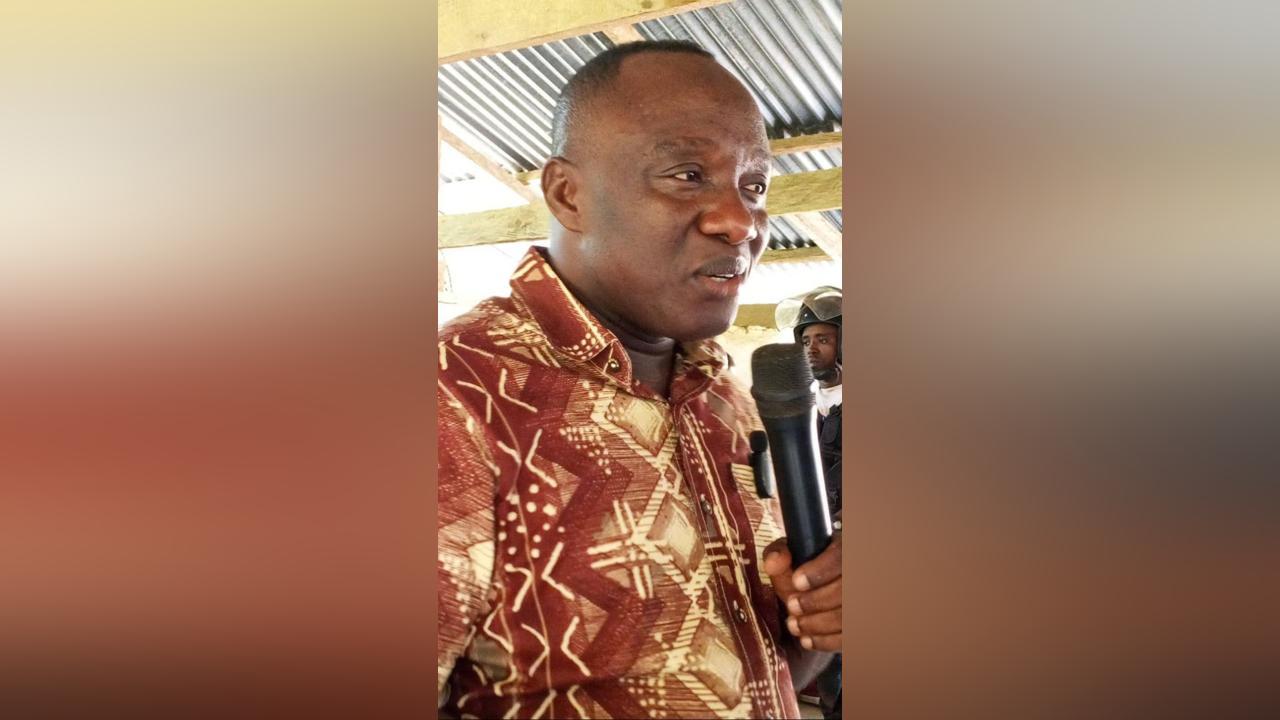
FUAMAH DISTRICT — Senator Prince Kermue Moye Sr. of Bong County is continuing his county-wide “listening and Citizens’ Engagement tour” with a visit to Fuamah District, where he held a series of town hall meetings to gather residents’ concerns and outline development plans on Sunday, April 26.
The outreach, which began in March during the recess break of the Liberian Legislature, is aimed at ensuring that development initiatives reflect the needs of local communities.
Speaking during the Fuamah engagements, Senator Moye said the tour is designed to allow citizens to directly inform decision-making. He emphasized that inclusive governance requires leaders to actively engage communities at the grassroots level, noting that policies crafted without direct citizen input often fail to address the most urgent needs of the people they are intended to serve.
According to him, the tour represents a deliberate shift toward participatory leadership, where the voices of ordinary citizens shape the direction of development planning and resource allocation across Bong County.
“We want to hear from the people themselves before committing resources,” Senator Moye said. “This process is about building trust, strengthening transparency, and ensuring that every dollar spent reflects a real and pressing need identified by the citizens. When people are given the opportunity to speak directly to their leaders, it not only improves governance outcomes but also fosters a stronger sense of ownership and accountability within communities.”
Residents from more than 40 towns and villages participated in the meetings, raising key challenges including poor road conditions, limited access to safe drinking water, lack of electricity, unemployment among government teachers, and the need for adult literacy programs.
Many citizens expressed frustration over longstanding infrastructure deficits, particularly the deplorable condition of feeder roads, which they said continues to hinder access to markets, schools, and healthcare facilities. Others highlighted the growing need for vocational training and youth empowerment programs, stressing that unemployment remains a major driver of hardship across the district.
Senator Moye first thanked residents for their support in the 2023 elections, particularly for the Unity Party and the administration of President Joseph Boakai, and encouraged them to focus on development rather than political divisions.
He also noted that his role as Chairman of the Senate Committee on Ways, Means, Finance, Budget and Development Planning positions him to advocate effectively for Bong County’s priorities at the national level. He assured residents that their concerns would not only be documented but actively pursued through legislative and budgetary processes, emphasizing that sustained engagement would remain a cornerstone of his leadership approach.
The senator elaborated on his vision for equitable development across Bong County, stressing that no community should feel neglected or left behind. He noted that the listening tour has already revealed patterns of need that require both immediate intervention and long-term strategic planning.
According to him, bridging the development gap between urban centers and rural communities will require deliberate investment, consistent monitoring, and strong collaboration between government institutions and local stakeholders.
Many citizens expressed frustration over longstanding infrastructure deficits, particularly the deplorable condition of feeder roads, which they said continues to hinder access to markets, schools, and healthcare facilities. Others highlighted the growing need for vocational training and youth empowerment programs, stressing that unemployment remains a major driver of hardship across the district
“This tour is not a one-time exercise; it is part of a continuous commitment to remain connected with the people,” Moye said. “We are documenting every concern, every request, and every idea shared during these engagements, and we will translate them into actionable programs. Our goal is to ensure that development is not concentrated in a few areas but distributed fairly across all districts, especially those that have historically been underserved.”
During the tour, the senator announced several development initiatives, including a US$250,000 allocation in the national budget for the rehabilitation of the Bong Mines–Yabaya road in Sanoyea District, and US$50,000 from the County Social Development Fund for the construction of an elementary school in Zamgbayamah. He also cited efforts that have secured scholarship opportunities through China Union annual concession funds to the county, and pledged to continue free medical outreach programs in the district, as done earlier.
In addition to policy announcements, Senator Moye provided immediate assistance to several communities. Donations included chairs and financial support for teachers in Popo-ta; a motorbike, sports equipment, and tailoring support in Kpingba-ta; cement, zinc, and aid for women’s groups in Yabaya; and chairs, solar lights, and community support in Hindi.
In Mawah, he pledged solar lighting, provided sports equipment for a girls’ team, and financial assistance, while reaffirming support for the Bong Mines–Sanoyea road project.
The tour included stops in communities such as Check Point Town, Popo-ta, Yabaya, Hindi, and Mawah, among several towns and villages. Senator Moye received formal written requests from residents and pledged to follow up on their concerns through both legislative advocacy and direct intervention.
The Fuamah leg of the tour is expected to conclude on April 27 in Bong Mines and nearby communities, as part of a broader effort to strengthen citizen engagement and align development priorities with grassroots needs.
For More News And Analysis About Liberia Follow Africa-Press