Africa-Press – Malawi. Economists and policymakers have called for sweeping reforms to global debt rules to better protect development spending in low-income countries such as Malawi.
They say current systems risk undermining nations’ development priorities.
The views were expressed during a webinar organised by Oxfam in Southern Africa in partnership with the Economics Association of Malawi (Ecama).
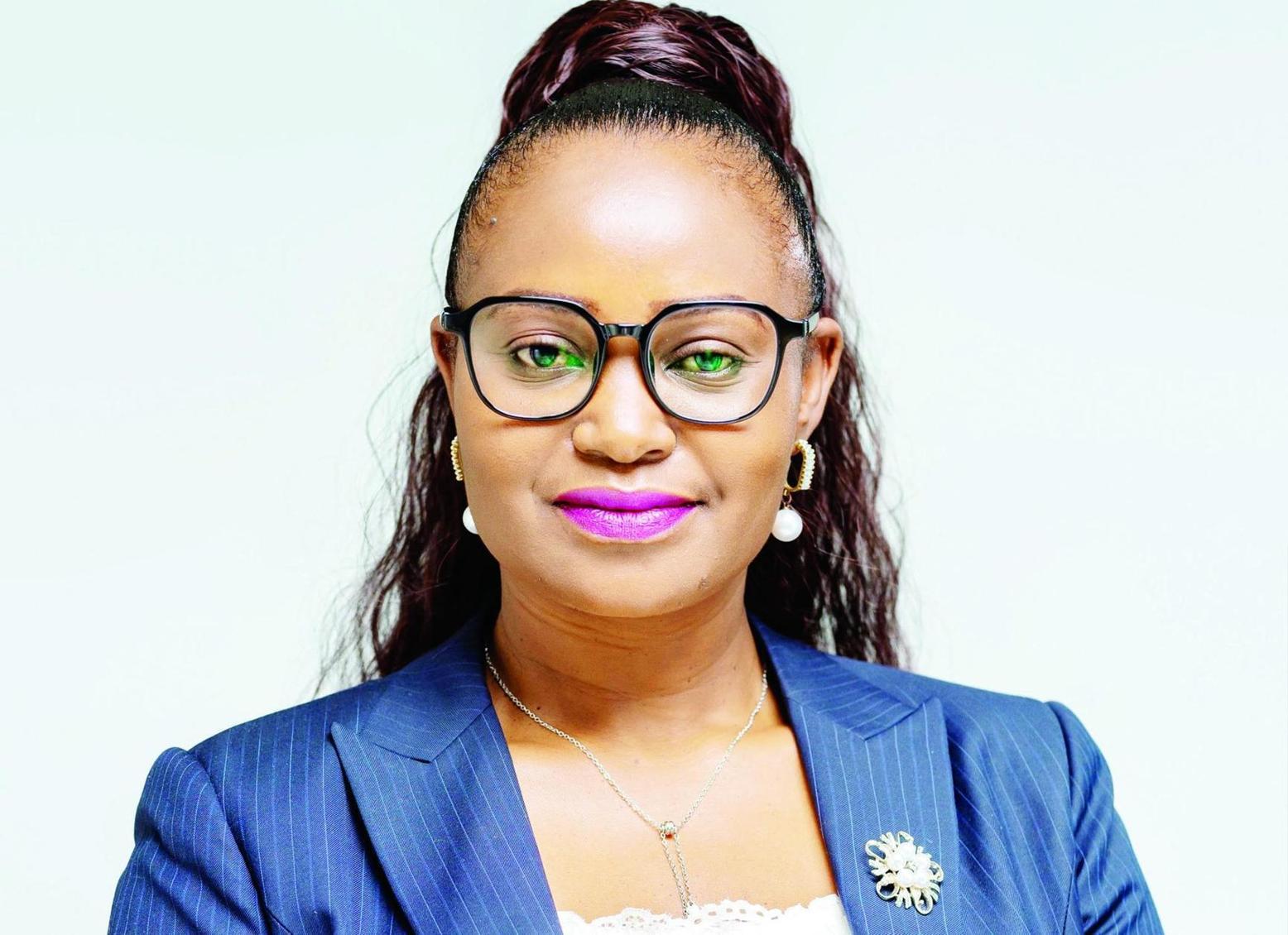
In her presentation on the review of the Low- Income Country Debt Sustainability Framework (LIC-DSF), University of Malawi senior economics lecturer Bertha Bangara Chikadza said the current IMF–World Bank LIC-DSF was too creditor-driven.
Chikadza, who is also Ecama President, said the framework also risked forcing poor nations to sacrifice social spending towards health, education and climate investment in order to service debt.
– Advertisement –
The LIC-DSF framework determines whether countries are at risk of debt distress and influences how much money they are permitted to borrow.
“Historically, creditor-controlled institutions have primarily designed and refined the framework, raising concerns about its adequate representation of debtor country interests and perspectives,” Chikadza said.
Her remarks come as Malawi continues to grapple with heavy debt burdens, spurred by high domestic borrowing, which are exerting pressure on the fiscal space.
Chikadza said across many low-income countries, rising debt-service obligations were crowding out social spending and slowing progress toward the Sustainable Development Goals (SDGs). She then called for the strengthening of debtor-country influence in debt assessments, which remain dominated by creditor institutions.
– Advertisement –
– Advertisement –
Chikadza also criticised what she described as repeated optimism in growth and revenue projections by international lenders, warning that unrealistic assumptions could delay debt restructuring and deepen economic crises.
For Malawi, she argued, these trends have heightened liquidity risks, the short-term ability to meet obligations, while increasing the need for long-term investment in resilience and growth.
Her proposals include the introduction of “Development-Adjusted Debt Limits”, which would tailor borrowing thresholds to the economic and social returns of public investment.
The webinar brought together policymakers, economists and civil-society representatives from Malawi and Zambia.
Making his presentation, University of Lusaka School of Law lecturer Ntazana Siame Kaulule called for democratisation of the DSF process by strengthening country ownership and ensuring meaningful co-creation.
A Joint Debt Sustainability Analysis by the World Bank and the IMF released in 2025 classified Malawi’s external and overall public debt as that of a country “in distress”, with the total public debt as a percent of gross domestic product almost back to where it was prior to the completion of the Highly Indebted Poor Country process in 2006.
Meanwhile, the 2025 International Debt Report shows the country’s external public debt stock stands at $3.74 billion (about K6.55 trillion).
For More News And Analysis About Malawi Follow Africa-Press