Africa-Press – Malawi. After six years of a break due to other pressing matters, “Environmental Close Up’ on Sunday” on The Maravi Post is back every Sunday for our readers across the globe including our home base, in Malawi.
The column tackles environmental severe issues including; weather patterns warnings, mining, land, water, sanitation, wildlife, climate change, disaster risk management, policies, and legal frameworks.
On weather pattern warnings, the general public is encouraged to take them seriously while taking caution against any adverse effects of climatic conditions on agriculture and settlements.
The Climatic conditions including cyclones, El Niño, La Niña, and others. The page expects readers to contribute to any serious matter that needs the authority’s attention towards environmental management.
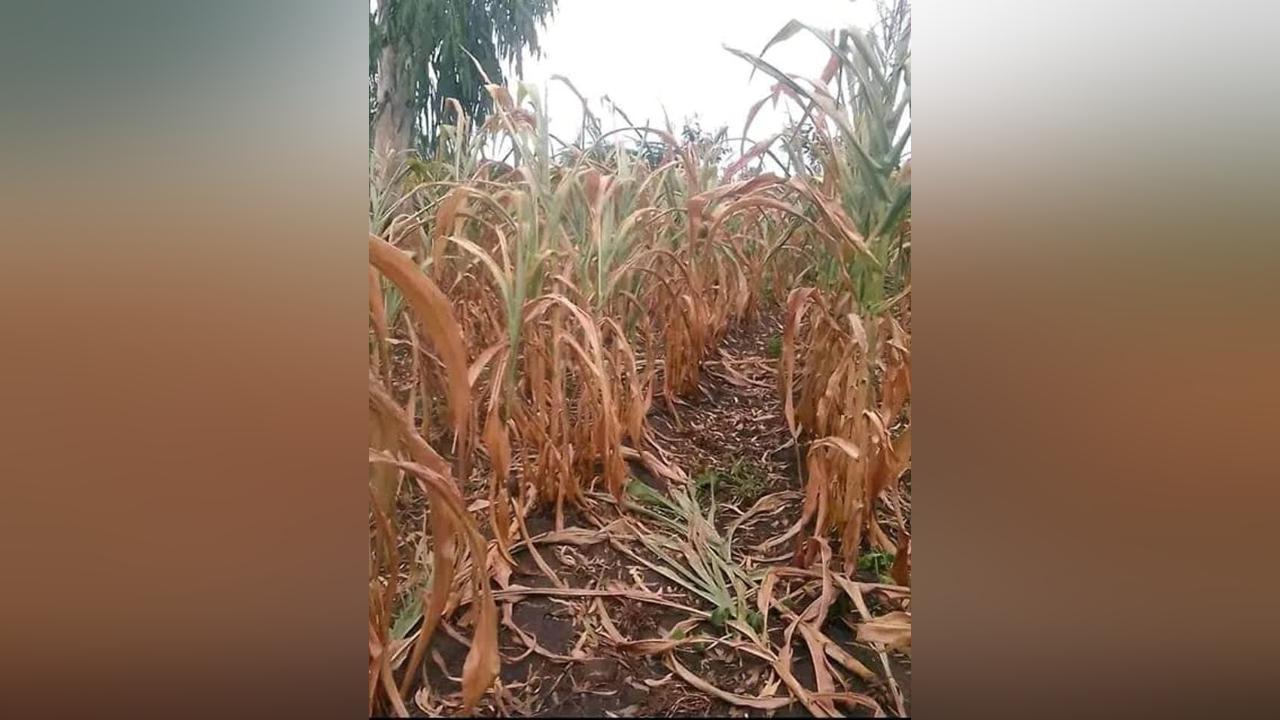
Today, we are focusing on the impending El Nino as predicted by the Global Information and Early Warning System under the Food and Agriculture Organisation (FAO). Department of Meteorological Services and Climate Change also confirmed El Niño dry-spell fears for the 2023/24 season
For starters, a newly published weather report early this year showed that Malawi is among 53 countries expected to experience El- Niño-induced dry weather this crop-growing season. In Sub-Saharan Africa, Malawi, Zambia, and Zimbabwe will be the most affected as the conditions will impact cereal production.
The report published titled ‘El Niño to return in 2023 following a three-year La Niña phase’ was prepared by the Global Information and Early Warning System under the Food and Agriculture Organisation (FAO).
Reads the report in part: “In addition, several countries in these regions are currently suffering from economic instability, due to low economic growth, unsustainable debt levels, and foreign exchange shortages, which have contributed to high inflation rates.
“In the event of a production shock, this economic instability could pose challenges for countries to increase needed imports.”
Fortunately for Malawi, the report said FAO has developed anticipatory action (AA) standard procedures to be followed in most countries at risk of being affected by El Niño in 2023/24, where food security is a major concern.
It further said FAO was also ready to implement agricultural and livelihood-based interventions, in coordination with governments and humanitarian partners, should the El Niño forecast materialize.
As a remedy, it suggests the distribution of farming tools and seeds of drought-tolerant crop varieties in advance and the provision of seed and animal health support.
“Rehabilitation of irrigation intakes, canals, and other water points, promotion of capacity development and support to farmers on water-harvesting techniques. Developing capacity of farmers and providing support on post-harvest management and processing to minimize losses,” the report said.
What is El Niño?
The term El Niño (Spanish for ‘the Christ Child’) refers to a warming of the ocean surface, or above-average sea surface temperatures, in the central and eastern tropical Pacific Ocean.
El Niño is a natural weather phenomenon that occurs when the water from the central and eastern equatorial parts of the Pacific rises to above-than-average sea surface temperatures, altering the weather and temperatures in different regions.
Depending on the intensity and duration of this phenomenon, and your location, these changes in weather patterns can have beneficial and adverse effects, especially for local agricultural sectors.
Positive Effects of El Niño
In some drought-prone areas, the increased rainfall brought by El Niño can have positive effects because it can help communities replenish their water supplies and allow farmers to cultivate and grow their crops. El Niño can also extend the growing season in some areas due to milder temperatures and longer summers. Farmers can then take advantage of this to boost their yields and incomes.
Adverse Effects of El Niño
While it can have some positive effects in certain regions, it can also give rise to extreme weather conditions characterized by reduced or excessive rainfall.
Severe drought and associated food insecurity, flooding, rains, and temperature rises due to El Niño are causing a wide range of health problems, including disease outbreaks, malnutrition, heat stress, and respiratory diseases.
The amount of rainfall plays a crucial role in agriculture and can impact crop growth and overall productivity. Reduced rainfall can result in drought conditions and lead to water scarcity and lower crop yields.
On the other hand, excessive rain can saturate planting areas and cause flooding, damaging crops and disrupting farming operations. In addition, El Niño can also create favorable conditions for pests and diseases to thrive due to warmer temperatures and higher humidity levels.
What happens during El Niño?
El Niño causes the Pacific jet stream to move south and spread further east. During winter, this leads to wetter conditions than usual in the Southern U.S. and warmer and drier conditions in the North.
El Niño also has a strong effect on marine life off the Pacific coast. In Malawi, there is an expectation of extreme hot weather conditions while other areas will have cold weather in summer. Malawi might also experience torrential rainfall while other areas dry spells.
How should farmers prepare against El Niño?
Post-harvest management, Hermetic Technology, Sustainable Agriculture, Climate-smart agriculture Amidst the ongoing challenges posed by climate change and global warming, and shortly after the end of the three-year La Niña period, the National Oceanic and Atmospheric Administration (NOAA) officially declared the onset of El Niño in a June report.
Since the agricultural industry relies heavily on stable weather conditions, any changes in these patterns can have a significant impact. These changes can disrupt operations, bring additional expenses, and affect the quality and volume of crop yields.
Moreover, previous El Niño events have presented immense challenges and disruptions that resulted in reduced yields, higher prices, and substantial financial losses.
Considering the potential consequences of El Niño on agriculture, farmers and agribusinesses must prepare and take proactive measures to mitigate its impacts and achieve climate resilience. Here are some steps you can take:
Assess your vulnerabilities. Examine your business or farm operations and determine the areas that may be most affected. Can you protect your crops in case of sudden rains? Do you have a secure storage facility in case of flooding? By understanding your vulnerabilities, you can prioritize where to focus your efforts and where to invest your resources effectively. It’s always good to practice risks and develop contingency plans to help ensure the resilience and sustainability of your operations.
Stay informed and prepared. Keep an eye on the latest weather forecasts and El Niño predictions in your region so you can anticipate potential changes in weather conditions like rainfall patterns and weather extremes. This will help you plan and adjust your strategies to help you better prepare for whatever comes your way.
Improve water management. During El Niño, water scarcity can become a real issue. Because of this, it’s crucial to optimize your resource use and reduce water waste to mitigate the adverse effects that drought and reduced rain can bring. One way to achieve this is by ensuring a stable water supply to sustain and continue crop production. It’s also important to be mindful of your water consumption and implement efficient water usage practices. These can include techniques such as rainwater collection, drip irrigation, and mulching. By doing so, you can contribute to conserving water and minimizing the impact of water scarcity.
Diversify your crops. Select and improve crop varieties that are suitable for specific weather conditions. Opt for crops with higher tolerance to water scarcity or excess water but can still produce yields. With this, you can reduce the risk of crop failure, increase the chances of a successful harvest, open new market opportunities, and reduce dependence on a single crop.
Continuously monitor and adapt. Enhance climate resilience and productivity of your operations by adapting to new technologies and implementing climate-smart procedures. Climate-smart solutions are simple yet reliable and are proven to reduce post-harvest losses and protect quality.
GrainPro’s climate-smart solutions in action
Throughout the post-harvest process — drying, transport, and storage steps, GrainPro solutions have consistently aided farmers and traders in mitigating losses while effectively preserving commodity quality and quantity.
In areas prone to typhoons and flooding like the Philippines, the use of GrainPro® Bubble DryerTM has proven to be a valuable solution for farmers. This simple and easy-to-use drying solution made it convenient for farmers to dry their commodities even during the wet season.
Moreover, using these Bubble Dryers has allowed them to maintain the quality of their harvested rice, thereby increasing their chances of selling it at a more favorable price. While preparing for El Niño might require additional steps, it is essential in safeguarding crops and reducing post-harvest losses.
By implementing climate-smart solutions, you can enhance the resilience of your operations and withstand unpredictable weather conditions without compromising the quality of your hard-earned crops. In summary, Malawian farmers must plant early maturing crop varieties, resistant to pests and diseases, observe rain patterns.
For More News And Analysis About Malawi Follow Africa-Press