Africa-Press – Malawi. They provide a critical service to the public – electricity, housing, water, food and many others.
Yet, they often run on losses and they can hardly expand to meet the ever-growing demand for the services they provide.
Every so often, they will run to Capital Hill with a bowl begging for bailout from Treasury.
The cycle repeats itself year after year.
This is the story of many State-Owned Enterprises (SOEs) in Malawi.
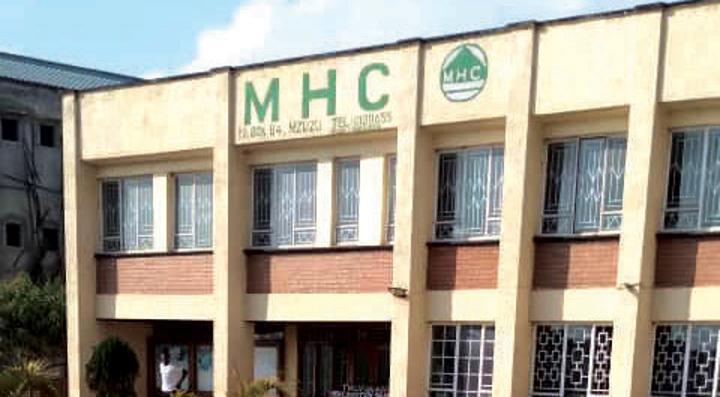
For example, amid soaring demand for housing which has also led to high rentals and, presumably, profitability of the real estate market, Malawi Housing Corporation, as at March 2026, had accumulated losses amounting to K8.6 billion over a period of four years.
That’s an average of over K2 billion loss every year – money which it would have invested in building more houses and making more money.
Many of the SOEs have a similar sordid tell – parastatals that should have been buoying in profits and service efficiency and expansion but are floundering in the vicious current of losses, some of them with their death so certain.
Experts have told Malawi News that the state of affairs in many SOEs reveal deeper structural issues.
Among them, governance remains a critical concern, they say, as many parastatals face political interference in decision-making, from procurement processes to pricing models to being turned into ruling political party financiers.
This often results in inefficiencies and missed commercial opportunities.
“SOEs are expected to operate like businesses, but they are not given the independence to do so,” said one economic insider familiar with public sector enterprise reforms.
“Decisions that should be purely commercial are sometimes influenced by political considerations, which affects profitability,” said the source.
Another persistent challenge is operational inefficiency. Aging infrastructure, overstaffing and weak financial controls continue to weigh heavily on performance of the enterprises.
Complicating matters is the dual mandate placed on some SOEs. On one hand, they are expected to generate profit; on the other, they must provide affordable services to the public.
“This balancing act often leads to suppressed tariffs or rents that do not reflect market realities, ultimately undermining financial sustainability of the SOEs,” said another source.
Velli NyirongoYet, even within existing constraints, there are opportunities for better performance.
Improved billing systems, stricter debt collection and professionalized management could significantly improve revenue streams, according to economic commentator, Velli Nyirongo.
He said priority should be to reduce the financial burden on the state.
He also suggested that loss-making parastatals without a clear strategic or social role should be restructured, merged, or, in some cases, shut down.
“Where services remain important but do not necessarily need to be delivered directly by the state, there should be a gradual opening to private sector participation through privatization or public–private partnerships,” Nyirongo said.
According to him, this would help improve efficiency, attract investment, and reduce pressure on public finances, while allowing the government to focus on critical areas such as energy, water, and food security.
At the same time, those parastatals that are retained should be subjected to stronger governance and accountability frameworks, he said.
Deputy Chief Secretary to the government, Stuart Ligomeka, who doubles as Comptroller of Statutory Corporations, told Malawi News that among the efforts for the state-run bodies to improve in their performance, the government has moved to tighten oversight.
He said all parastatals have now signed performance agreements that require them to become self-sustaining.
“Each entity is expected to find ways to sustain itself. Those that fail to meet the agreed targets will face consequences,” he said in an interview.
A government consolidated report for 23 SOEs for the financial year 2024 – 2025 said government is exposed to substantial fiscal vulnerabilities when the enterprises do not maintain sound financial performance.
For More News And Analysis About Malawi Follow Africa-Press