Africa-Press – Malawi. Malawi is drawing global attention for its strong progress in adolescent sexual and reproductive health (ASRHR), with new evidence placing the country among Africa’s standout performers—yet warning that deep-rooted challenges still risk undermining these gains.
A report by the African Institute for Development Policy (AFIDEP) paints a picture of a country steadily turning the tide on some of its most pressing public health concerns.
Over the years, Malawi has recorded notable declines in adolescent fertility rates, maternal deaths, and neonatal mortality, while significantly expanding access to modern contraceptives.
These strides have not gone unnoticed. Malawi is now ranked among a select group of leading countries in Adolescent Sexual and Reproductive Health and has also emerged as one of the first three exemplary nations in family planning under the Exemplars in Global Health (EHG) Programme.
At the heart of this progress is a consistent rise in contraceptive uptake. The report highlights that Malawi’s modern contraceptive prevalence rate (MCPR) more than doubled—from 21.5 percent to 45.1 percent—outpacing the sub-Saharan African average and surpassing most peer countries. Only Senegal and Sierra Leone recorded faster growth, underscoring Malawi’s effective, equity-focused strategies in closing access gaps across income groups.
But beneath the success story lies a stubborn reality.
Despite the gains, many young people—especially girls—remain locked out of essential sexual and reproductive health services. The report warns that limited access continues to fuel teenage pregnancies, school dropouts, and new HIV infections.
Only about 60 percent of health facilities are currently providing adequate youth-friendly services, leaving a significant portion of adolescents underserved. Restrictive abortion laws, coupled with entrenched cultural and religious barriers, further complicate access to critical information and care.
For many adolescent girls and young women, these barriers are not just systemic—they are deeply personal, shaping life trajectories and limiting opportunities.
Stakeholders are now calling for urgent action to sustain momentum. Key recommendations include increased investment in rural health infrastructure, expansion of comprehensive sexuality education, and stronger accountability systems to protect vulnerable girls. There is also growing pressure to confront patriarchal norms and foster more open, honest conversations around sexual and reproductive health.
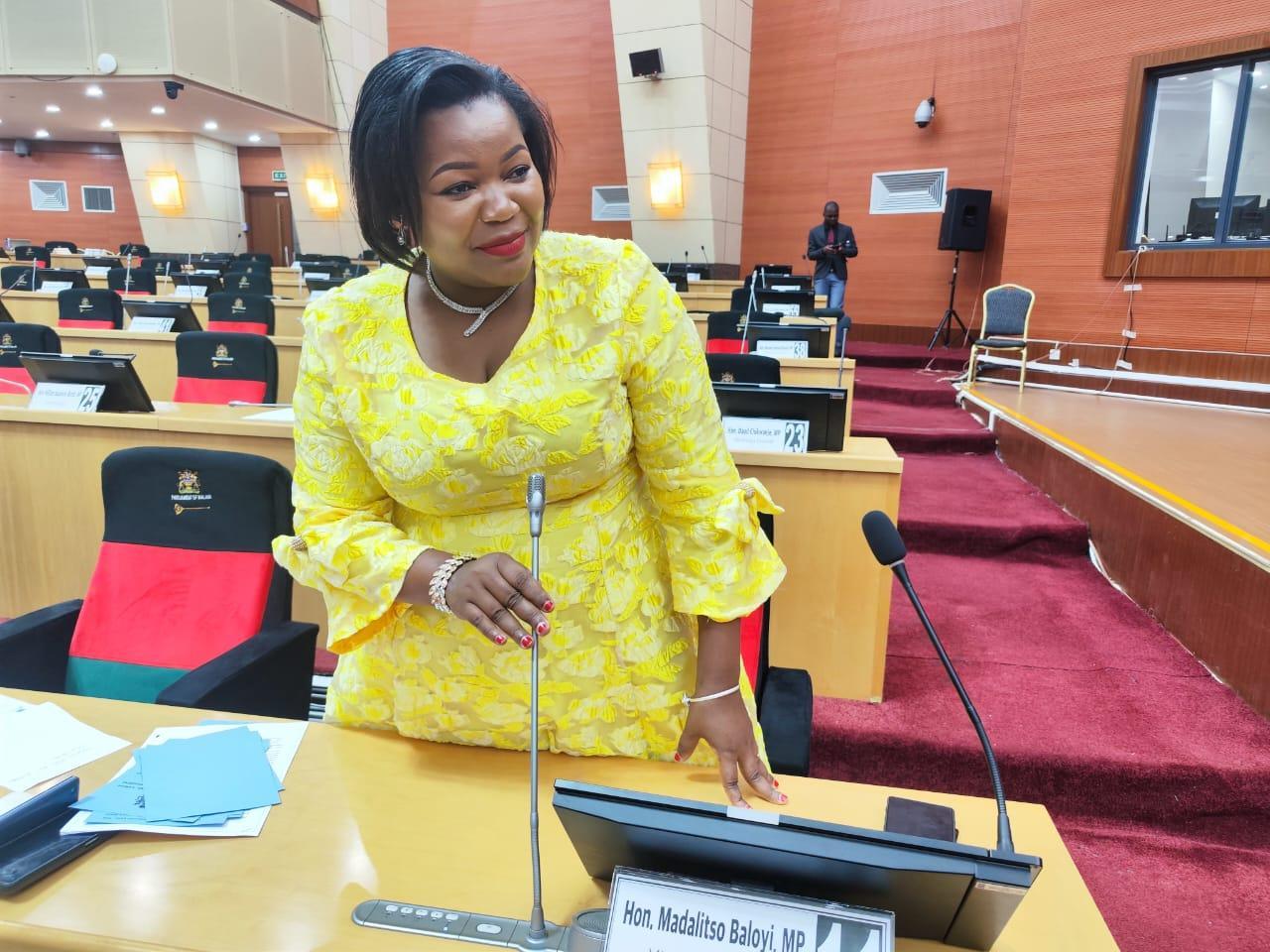
Minister of Health Madalitso Chidumu Baloyi acknowledges both the progress and the work ahead. She says the country has, over the past two decades, significantly scaled up youth-friendly health services, with most facilities now offering such care under regular supervision to maintain standards.
Beyond health facilities, government has adopted a broader, multisectoral approach—particularly focused on keeping girls in school.
“We are equipping adolescents with knowledge and life skills to prevent unintended pregnancies, while providing the support they need to stay in school,” she said.
The Minister added that targeted interventions are now focusing on out-of-school youths and those in rural areas—groups often left behind—to close persistent equity gaps.
Malawi’s journey on sexual and reproductive health is, without doubt, a story of progress. But it is also a reminder that success, if not protected and expanded, can quickly stall.
The challenge now is clear: turn recognition into resilience—and ensure that no young person is left behind.
For More News And Analysis About Malawi Follow Africa-Press