Africa-Press – Malawi. Despite the normal tranquil laid back lifestyle, Malawi faces political tension, especially around election time, and protests have been known to turn violent. Expatriates will need to be cautious during these times and stay in touch with the community in their city to stay updated.
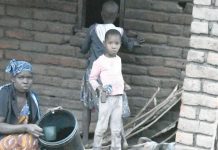
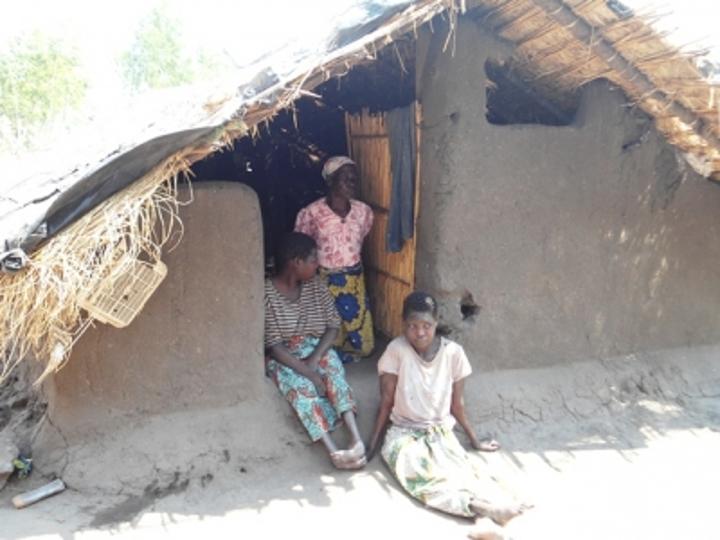
Malawi, a small country in Southern Africa, has the fourth highest percentage of people living in extreme poverty in the world. In Malawi, more than two-thirds of the population lives in extreme poverty, almost all of whom rely on small-scale farming for their livelihoods.
With its reliance on the agricultural industry, and the subsequent impact of volatile climates, poor economic growth, and increasing population, poverty remains one of the biggest maladies to affect the people of Malawi.
Even with the gains in child health, 37 percent of Malawian children suffer from chronic malnutrition. Malawi is a high-burden malaria country with an incidence rate of 332 cases annually per every 1,000 people and approximately 4.8 million episodes of malaria per year.
Poverty in Malawi is driven by low productivity in the agriculture sector, limited opportunities in non-farm activities, volatile economic growth, rapid population growth, and limited coverage of safety net programs and targeting challenges.
The country’s development is hindered by a fast growing population, limited arable land, natural disasters, food insecurity, HIV/AIDS, and a high incidence of malaria. Almost 50% of the population is under the age of 15, and a large number of these young people are living in poverty.
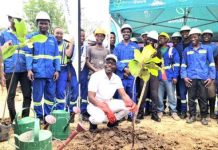
Malawi faces continued challenges of deforestation, constrained water resources, declining fisheries, limited institutional capacity to manage natural resources, and farming practices that lead to soil erosion and reduced fertility, among others.
The population has grown from five million in 1975 to over 20 million today. This has put huge pressure on all Malawi’s natural resources. The biggest challenge in Malawi for the future, with its rapidly growing population, is to help communities to develop a more sustainable approach to the environment.
Malawi ranks poorly on the HDIbecause: ● It has a rapidly growing population, with 19.4 million inhabitants, but it cannot support this rate of population growth. ● Environmental degradationand the difficult physical environment means there is limited land availablefor development.
Whilst the government is willing to pursue reforms and advance the country’s development, efforts so far have failed to bring about tangible improvements to people’s living conditions. Malawi is one of the world’s least developed countries (LDCs).
For More News And Analysis About Malawi Follow Africa-Press