Africa-Press – Malawi. The International Monetary Fund (IMF) has said Malawian authorities must stay the course on their reform agenda if the country is to succeed with the new Extended Credit Facility (ECF) programme granted in November last year.
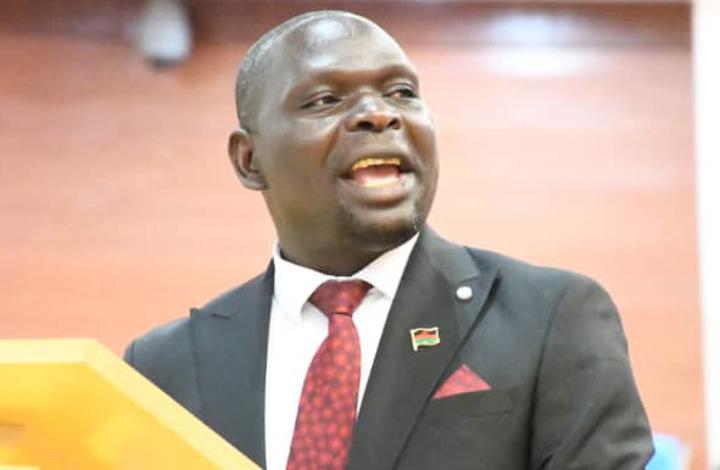
KOUMTINGUE—The road ahead remains challengingIn an interview with IMF Country Focus on Friday, IMF Malawi’s Resident Representative Nelnan Koumtingue said efforts by the authorities to stabilise the economy began to get traction under the 2022-23 Staff Monitored Programme.
He said the ECF-supported programme aims to build on that to help stabilise the economy by restoring and maintaining sustainable levels of fiscal and current account deficits, an adequate level of gross international reserves and limited debt vulnerabilities.
“Staying the course with the programme also means making tangible progress on structural reforms in macro-critical areas such as public financial management, developing markets (including the foreign exchange market), and improving governance and institutions while protecting vulnerable households.
“The road ahead remains challenging, but macroeconomic stability is a necessary condition to build a foundation for inclusive and sustainable growth and resilience to climate-related shocks. The ECF-supported programme is a beginning, not an end,” Koumtingue said.
On the role of the international community in helping Malawi achieve its goals in the aftermath of the granting of the ECF Koumtingue said the ECF arrangement is an endorsement of the Malawian authorities’ commitment and capacity to implement sound macroeconomic policies.
“Along with this, the international community, in particular the official sector, is supporting the authorities with the debt restructuring process, grants and concessional loans to support the social sector and development spending and technical assistance,” he said.
On debt restructuring, the IMF resident representative said local authorities are in the process of completing their external debt restructuring, and the country remains in arrears on servicing commercial external debt while discussions continue.
He observed that Malawi’s creditors have given assurances to support the country as Malawi critically needs an immediate debt relief to maintain the provisions of basic public goods and services at this difficult time.
On whether the 44 percent devaluation of the Kwacha by the Reserve Bank of Malawi last year was needed, Koumtingue said the devaluation was a difficult policy decision and imposed short-term hardship on the population.
“For a long time, Malawi has been importing more than it exports by borrowing abroad. As borrowing became difficult, foreign exchange shortages emerged. The first step in easing this imbalance was to allow the exchange rate to be more in line with demand and supply.
“Going forward, it will be important to facilitate a market-clearing exchange rate on an ongoing basis. Sustainable levels of fiscal and current account deficits would help stabilize the exchange rate and prices,” he said. Finance Minister Simplex Chithyola Banda on Friday said authorities are committed to staying the course on the reform agenda.
For More News And Analysis About Malawi Follow Africa-Press