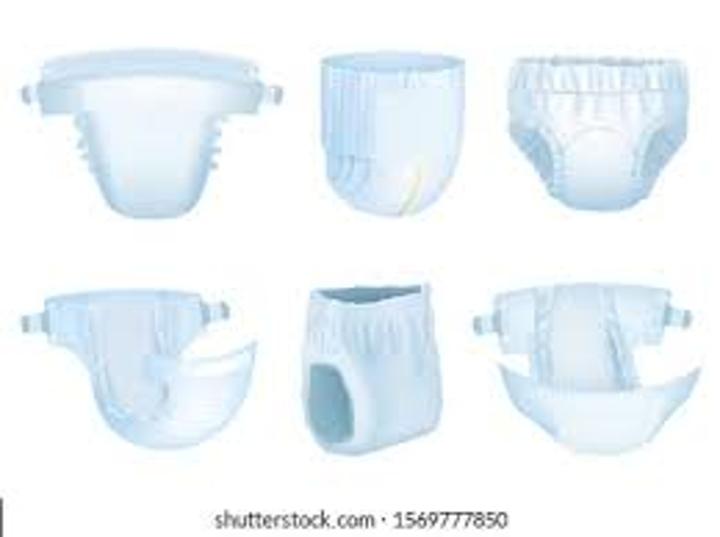
Africa-Press – Malawi. Pollution is a major concern in Malawi today as pampers take to the streets, streams and rivers. Little by little we are damaging our own environment which will be very difficult to reverse in years to come than now. Government must put a stop to the Pampers now and ban the importation of the product for the sake of our present and future generation.
Background
Pampers is a brand of baby and toddler products marketed by Procter & Gamble. Founded: 1961; 61 years ago. Parent company: Procter & Gamble. There is a difference between diaper and Pampers. Both diapers are similar in terms of their functionality, and both of them work well for babies. However, Pampers obtains a higher score based on better absorbency and fewer leaks, and fewer babies develop rashes with Pampers than Huggies.
Normally, diapers should be changed every 2-3 hours.
Huggies have a more artificial, plastic-like feel to the outside. They are fastened using sticky strips. Pampers diapers have a softer, more fabric-like feel to the outside. They are fastened using strips similar to Velcro.
How To Dispose Of Diapers Properly
Dump diaper contents into toilet. Though nearly every mom skips this step, fecal matter is not supposed to end up in landfills for the reasons outlined above. Wrap up the diaper. Place the diaper in a sealed container. Dispose of your diaper (if appropriate) Wash your hands.
Just like one would do with used sanitary towels, they can wrap them in a polythene bag, pour some kerosene and burn. You have to be careful that they burn by turning them whilst they start a fire. If need be, get extra charcoal and supplement the kerosene.
Diapers can catch fire. Subsequent investigation of the unfortunate incident disclosed that incontinent pads (disposable diapers) which are supplied to hospitals, nursing homes, welfare homes, etc., for use on patients are extremely flammable.
Dangers
Disposable diapers are not easily biodegradable after their entry into the environment because of its durable plastics and super absorbent polymer and they pollute the environment for very long periods and persist approximately up to 250 to 500 years to degrade.
Disposable diapers do not only harm the environment in obvious ways, such as by filling up landfills, but in other ways as well. For example, disposable diapers introduce feces into groundwater, and they also contribute to the problem of oil drilling, as they are made from plastic, a petroleum-based product.
Disadvantages of Using Disposable Diapers for Your Baby
Skin rashes. Toxicity can harm your baby. Allergies. expensive. Can cause infection. Non-environment friendly. Toilet training can be harder while using disposable diapers.
Disposable diaper manufacture requires more natural resources, and arguably more water, and energy. During the production, toxic substances, like dioxin, chlorine, TBT, are released and this contributes to water and air pollution and global warming. Another concern when it comes to disposable diapers is their disposal.
For More News And Analysis About Malawi Follow Africa-Press