
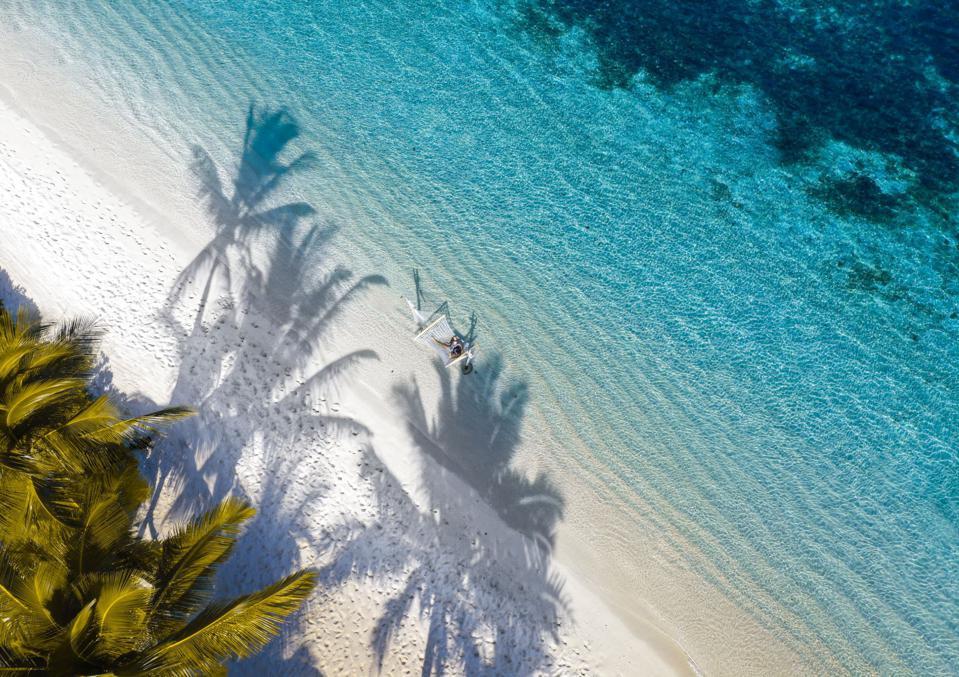
Africa-Press – Mauritius. This one goes without saying, but Mauritius is ringed with white, sandy beaches and vivid turquoise waters. The bays are generally calm, and good for swimming and gentle water sports like snorkeling.
(Le Morne is an exception, with conditions that make it popular among wind- and kite surfers, and so is the black-sand Tamarin, which has a couple good surf spots.) The water is clear and warm in summer. Maradiva Villas Resort & Spa
With 65 colonial-style villas spread over 27 tropical acres, include nearly half a mile of pristine beach, Maradiva is one of those resorts that can be at nearly full occupancy but never feel crowded.
Each villa has a private pool and large shaded terrace with outdoor living and dining areas, and the guests—10% of whom are here on their honeymoon—who dine outside their villas on the property spread themselves out among the all-day Coast2Coast, the modern Indian Cilantro and the Japanese show-cooking counter Teppan. Blue Penny Museum
In the Caudan Waterfront mall in the island’s biggest city, Port Louis (population 300,000), this museum is compact and thoughtful, focusing on the historical and cultural wealth of Mauritius—maritime expeditions, 18th- and 19th-century history told primarily with coins and stamps (including the namesake blue one), and a significant sculpture by Mauritian artist Prosper d’Epinay paying tribute to the Paul and Virginie, the protagonists of a French love story that’s set on the island, and the island’s favorite fictional couple to this day.
Maradiva’s spa is just one example of the positive Indian influences in Mauritius. It’s authentically Ayurvedic (like many other hotel spas on the island), and everyone gets a consultation from the Ayurvedic doctor, who previously worked at Ananda in the Himalayas, followed by recommendations of treatments and diet during guests’ stays.
He keeps things soft, though, noting that most guests who say they want panchakarma do not actually want panchakarma, a hardcore detox program that involves some unpleasant and invasive treatments and doesn’t make sense at a five-star resort.
Instead, he offers them shirodhara, the deeply relaxing practice of dripping warm medicinal oil on the forehead. Château de Labourdannais Built in 1856, this lavish home was inhabited by a Mauritian family for more than 150 years.
After a 2006 renovation that restored it to its former glory—with its teak and mahogany furnishings from France and England and Baccarat crystal chandelier, it became an important attraction, an immersion in the 19th-century art of living in Mauritius.
Mauritian curries are lighter and less spicy than those in other parts of the world, which makes them quite easy to eat. The recipe is pretty simple—or so it seemed during a cooking class in the gardens at Maradiva (once security managed to scare the monkeys away)—just fish, onions, garlic, cilantro, chiles and a reasonable dose of coconut milk.
It’s hard to imagine the thought process of the first person to cut down a palm tree and eat the soft center of the trunk, but someone did it and discovered that is was tasty and made them feel good—it has a lot of nutritional value.
Now it’s sustainably cultivated around the island on former sugar plantations—new trees grow quickly, and they cut only enough for local consumption—and served everywhere as a light, zesty starter, sliced thinly and dressed with lemon and olive oil.
Another of the most interesting historic homes on the island, Saint Aubin is much more than just a wooden colonial house (it dates from 1872).
There’s still rum production and a “house of rum” that can be visited (and tasted), a good restaurant, a vanilla production component, beehives, gardens and a miniature farm where kids can watch and feed tortoises, rabbits, ducks, peacock and deer.
A small Creole house on the property can be rented as a three-bedroom villa with a swimming pool and bicycles included. Saint Aubin is one stop on a route that shows the history and products of the island.
The others are Le Domaine de Bois Chéri, which highlights the tea side of things with tastings and a museum, and Le Domaine des Aubineaux, an 1872 colonial house connected to the production of vanilla and essential oils and floral park.
If you book the visits through the organization, the day includes lunch at one of the properties.
It’s a big tourist operation, but the distillery’s museum portion does a good job of telling the story of rum production on the island and the restaurant serves a particularly good heart of palm salad. The simple, aged rums are quite tasty too.
For More News And Analysis About Mauritius Follow Africa-Press