Africa-Press – Mozambique. Mozambique began 2026 facing structural challenges that require coordinated responses in the labour sector, particularly in light of the impact of floods on businesses and the need to consolidate a labour market that is more resilient and prepared for economic shocks and industrial transformations.
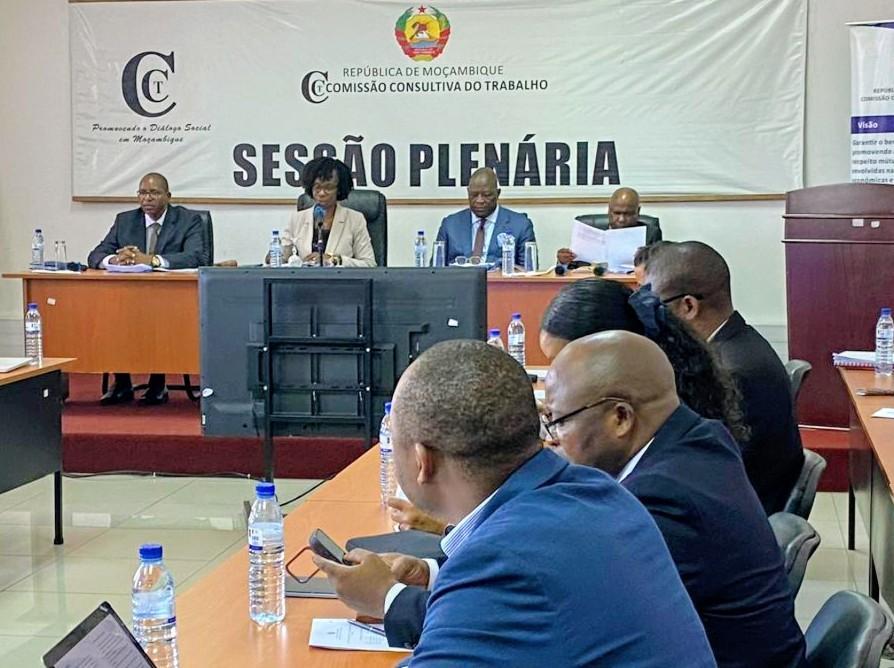
This was emphasised by the Minister of Labour, Gender and Social Action, Ivete Alane, speaking at the opening of the first ordinary plenary session of the Labour Advisory Commission. She warned that natural disasters had forced several companies to halt operations, resulting in loss of income for numerous families.
Alane noted that the country is undergoing a sensitive economic transition that demands maturity, calm, and the capacity for transformation. She argued that responses to these challenges should not be fragmented but rather coordinated, tripartite, and strategic, involving government, employers, and workers.
The minister further stressed that, in this context, it is imperative to accelerate the formalisation of the economy and strengthen productivity as essential conditions for attracting new investment, protecting jobs, and ensuring the sustainability of companies.
Despite the constraints, the minister acknowledged that the new economic cycle also presents opportunities, considering the reconfiguration of global value chains. According to her, this requires a strategic national stance to avoid passively witnessing changes in the international landscape.
During the session, proposals were reviewed regarding the Organic Statute of the Labour Advisory Commission, the domestic work regulations, and the Law on the Protection and Respect of the Rights and Fundamental Freedoms of Persons with Disabilities, as well as the proposed Local Content Law.
The agenda also included the proposal to ratify Convention No. 97 of the International Labour Organization (ILO) on migrant workers, an instrument aimed at strengthening labour protection and aligning the national legal framework with international standards for decent work.
Source: Domingo