Africa-Press – Mozambique. Mozambican President Daniel Chapo on Wednesday stressed the need for transparency and responsibility in the operations of the Public Prosecutor’s Office.
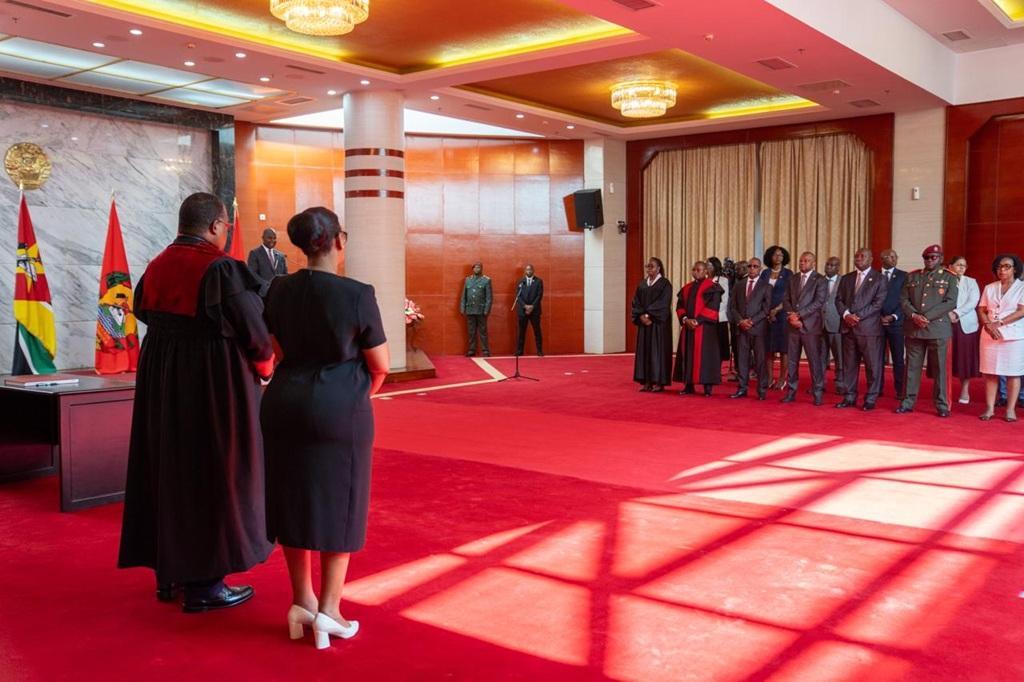
Swearing Jose Ramos Santos into office as Assistant Attorney-General, Chapo said that Mozambican society expects from the Public Prosecutor “not only the defence of legality, but also the promotion of social justice, the protection of human rights, and the tireless struggle against organised crime, including corruption”.
He noted that crime has adapted rapidly to new social and technological realities, and so “requires an effective and innovative response”.
The criminal phenomena that must not be ignored by the Public Prosecutor, Chapo added, include kidnapping, drug trafficking, the financing of terrorism and money laundering, which all require “a firm and strategic response” from the Public Prosecutor’s Office.
“We are living in a digital age”, the President continued, “when technology can be an ally or an adversary”. Cybercrime has become a growing concern, “and the Public Prosecutor’s Office should lead the struggle against these new types of crime, by developing protocols which integrate technology into investigation and prevention, while always respecting the fundamental rights of citizens”.
The fight against corruption, said Chapo, “is a political priority of the Mozambican State”. This was “a strategic and irreversible option”.
“The Mozambican State”, he stressed, “cannot be complacent towards practices that offend against public ethics and against the collective interest of the Mozambican people”.
The fight against corruption should go hand-in-hand with “rigorous, transparent and responsible management of the public finances”, declared Chapo. “Every metical belongs to the Mozambican people and must be used for the benefit of national development”.
He urged Ramos Santos to behave “in a firm, impartial and fearless manner, guided by legality and without any tolerance for behaviour that damages the public treasury and the dignity of the Mozambican state and people”.