Africa-Press – Mozambique. The President of Frelimo and head of the Mozambican state has called on the party’s deputies to reflect on revising the law on compulsory retirement at 60 years of age, indicating that it is necessary to make the functioning of institutions more efficient.
“Probably, over the course of this legislature, we should re-examine and, if necessary, revise it to make the functioning of some institutions more efficient, in some specific cases, such as the issue of the law on compulsory retirement at 60 years of age and also other important laws,” said the president of the Mozambique Liberation Front (Frelimo, in power since 1975) and head of the Mozambican state, Daniel Chapo.
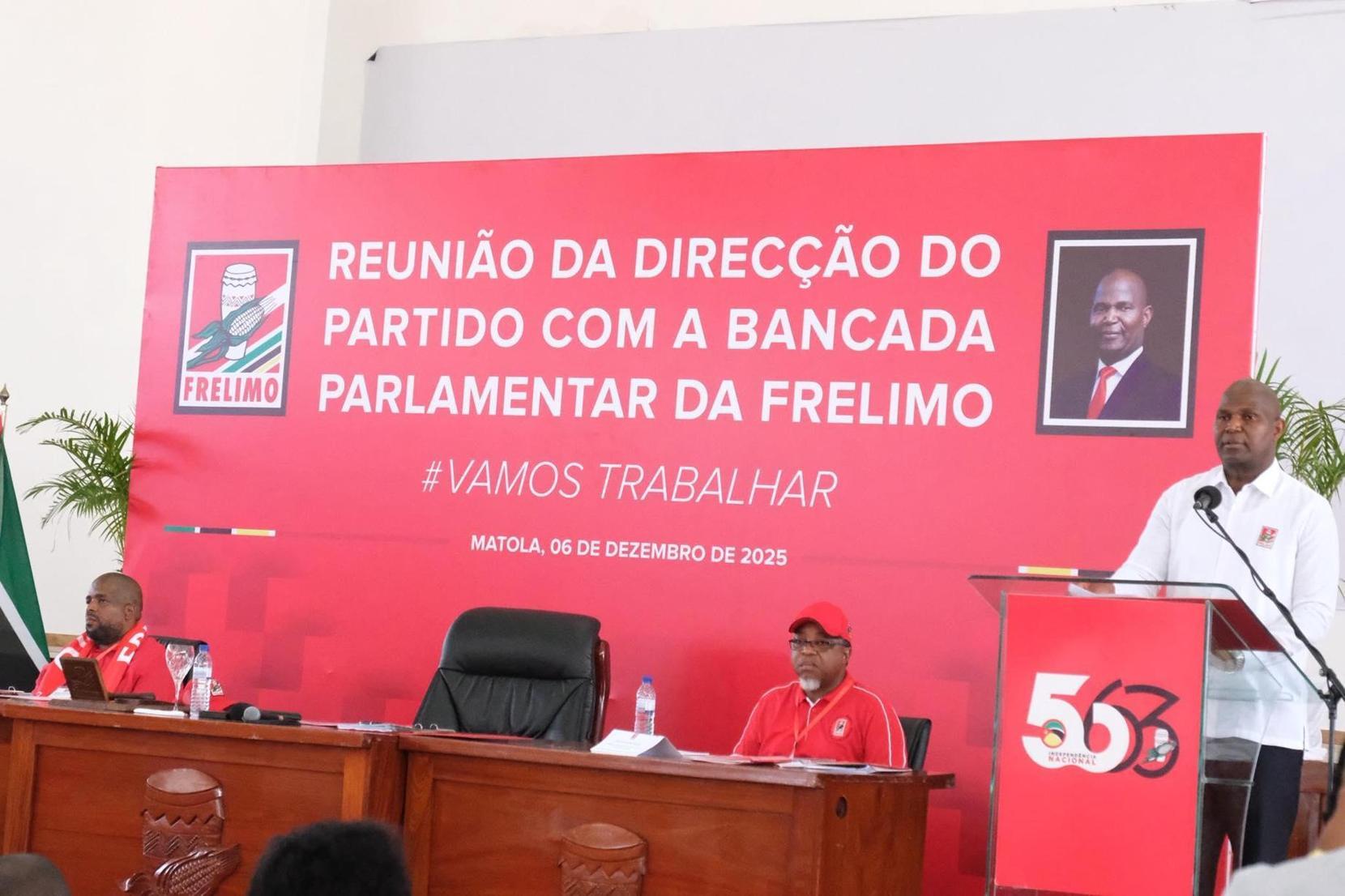
The Frelimo president was speaking during a meeting with the Frelimo parliamentary bench, in which he suggested reflection regarding the revision of the legislation that determines the retirement age in the country, arguing that it is to ensure better functioning of institutions.
In 2021, the Assembly of the Republic set the retirement age at 60 for all labour sectors, excluding state employees, who have their own statute and who may now be subject to revision.
In July 2022, Lusa reported that the Mozambican Government would propose to the Assembly of the Republic an increase in the retirement age in the public service to 65 years, from the current 60, as previously announced by the then Minister of State Administration and Public Service.
Ana Comoane stated at that time that, with the change, both men and women would retire at 65, ending the current difference in which men retire at 60 and women at 55.
Comoane also said in the same period that the proposal would include exceptions, raising the retirement age to 70 in the judiciary, education and health.
In the same remarks, Daniel Chapo called for greater coordination between parliamentarians and the Government so that laws benefiting Mozambicans can be approved.
“We want greater coordination through the regular exchange of information between the prime minister and the leadership of the parliamentary bench and the presidency of the Assembly of the Republic. The same should happen between ministers and the presidents of the commissions, in the early harmonisation of matters to avoid the approval of laws that hinder governance and the lives of citizens, as has happened on several occasions,” Chapo appealed.
In the 09 October elections, Frelimo maintained its parliamentary majority with 171 deputies, followed by the Optimistic People’s Party for Mozambique’s Development (Podemos), which had never had parliamentary representation and became the largest opposition party in Mozambique, with 43 seats.
Podemos removed the status of leader of the opposition from the Mozambican National Resistance (Renamo), which had held second place since the first multi-party elections in 1994, and has now fallen from 60 to 28 deputies.
In this legislature, the Mozambican Democratic Movement (MDM) has eight parliamentarians.
The 250 Mozambican deputies were sworn in on 13 January this year for the current mandate.