Africa-Press – Mozambique. Restrictions in international markets hampered Mozambique’s fish and seafood exports in 2025, which fell 18% compared with the previous year, to 8,005 tonnes, according to government data.
Budget execution figures indicate that this decline “was due to restrictions on the entry of live lobster into the Asian market,” specifically China, as well as “problems marketing shrimp, fish and cephalopods in traditional markets.”
“Additionally, the effects of climate change led to low water levels in the Zambezi River, and consequently, low production of kapenta,” a small freshwater sardine, the report notes.
The document adds that the total export value in 2025 reached US$46.5 million, down 20% from 2024.
Shrimp exports alone earned Mozambique US$16.3 million last year, a 17% decline year-on-year, equivalent to 1,631 tonnes, while lobster fell 19%, bringing in US$2.5 million from 160 tonnes.
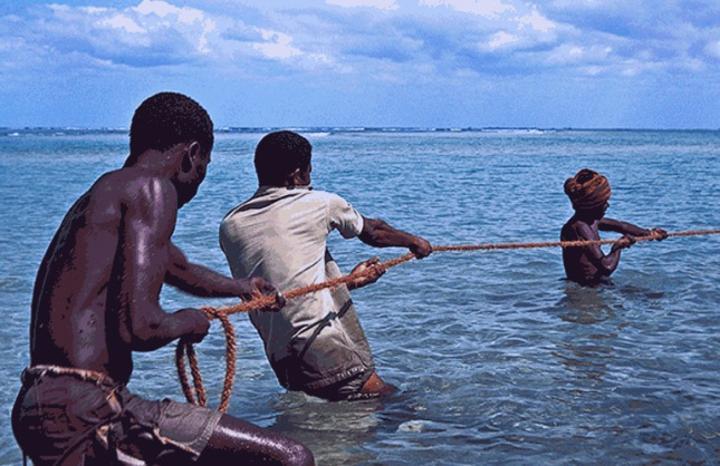
The Mozambican government expects fishing activity to stagnate in 2026, with only marginal growth of 0.3% in total catches, to 549,533 tonnes, led by the artisanal sector, according to official data previously reported by Lusa.
A government report with 2026 forecasts for the sector states that artisanal fishing will continue to lead but is expected to decline by 0.2% to 512,964 tonnes, compared with the 7% growth expected for 2025, reaching 514,204 tonnes, including 9,636 tonnes of shark.
For 2026, in artisanal fishing, catches of lobster are expected to rise 2% to 799 tonnes, and crab to 8,702 tonnes, alongside 440,000 tonnes of fish caught in both marine and freshwater environments.
Shark catches in the artisanal sector are also expected to grow by 2% in 2026, to 9,829 tonnes.
In industrial fishing, growth of 15% compared with 2025 is forecast, to 17,675 tonnes, including 3,154 tonnes of shrimp, up 8%, and 280 tonnes of lobster, up 5% in one year.
No changes are expected in semi-industrial fishing, according to the government, with the target remaining 8,250 tonnes, the same as in 2025, while aquaculture production is expected to grow 3%, to 10,644 tonnes.
Mozambique’s total fish and seafood production had grown 3% in 2024, to 508,808 tonnes, but still fell short of the target, according to budget execution data previously reported by Lusa.