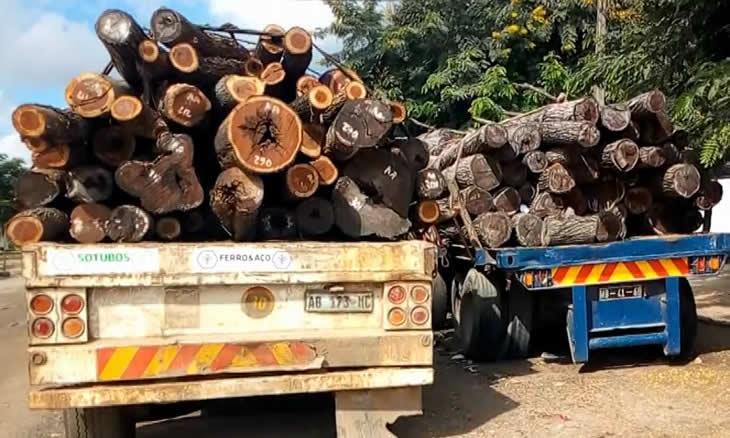
Africa-Press – Mozambique. The Mozambican Federation of Forestry Operators (FEDEMOMA) believes that industrialization of the sector is crucial to curb the export of raw material and timber smuggling.
According to the FEDEMOMA chairperson, Jorge Chacate, who was speaking on Thursday, in Maputo, at the launch of the federation’s Strategic Plan for the period 2026-2035, oversight and transparency in the sector demand reorganization of associations in the southern provinces of Manica and Sofala, and the northern provinces of Niassa and Cabo Delgado.
He added that the registration of new forestry associations is under way to “promote the industrial transformation of timber, and ensure the sustainable exploitation of forest resources.”
Chacate explained that the organization’s Strategic Plan is the result of cooperation with the International Labour Organization (ILO), within the framework of the project to revitalize forestry associations and train operators in legislation, safety, and occupational health.
“This document is the culmination of a strategic partnership with the ILO, within the framework of revitalizing forestry associations in Mozambique, capacity building in forestry legislation, occupational health and safety, and responsible business conduct”, he said.
He also explained that the plan foresees the creation of three technological training centers in the country, aimed at training operators and promoting the industrial transformation of timber.
“The objective is to provide operators with technical knowledge for the production of furniture, doors, windows, and other high value-added products. We want to break the cycle of exporting raw materials and ensure that Mozambican timber is transformed and consumed nationally”, he said.
For his part, Imede Falume, the country’s Director of Forests, said that the sector faces challenges such as illegal logging, disorganization among operators, and a reduction in the number of licensees. “Five years ago we had more than 800 registered operators, and currently, the number has fallen to about 400,” he said.
According to Falume, the introduction of a digital timber tracking system will track the origin and the final destination of forest material.
The ILO representative in Mozambique, Antenor Pereira, said the plan will contributes to the promotion of sustainable businesses and decent work in the sector. “Sustainable growth requires decent work, respect for labour rights, and safe and healthy work environments,” he said.