What You Need to Know
The recent spike in jet fuel prices could significantly raise air travel costs in Mozambique. The National Director of Hydrocarbons and Fuels, Felisbela Nhate, highlighted that prices have surged from US$769 to US$1,595 per tonne, influenced by geopolitical tensions in the Middle East. This increase may affect airline operations and passenger fares, prompting potential government intervention to缓解
Africa-Press – Mozambique. The cost of air transport in Mozambique could increase in the coming period following a sharp rise in jet fuel prices on the international market.
The warning was issued by the National Director of Hydrocarbons and Fuels, Felisbela Nhate, during a press conference held in Maputo, in the presence of fuel importers and distributors.
According to Nhate, jet fuel has recorded one of its most significant recent increases, rising from around US$769 per tonne to US$1,595, reflecting high volatility.
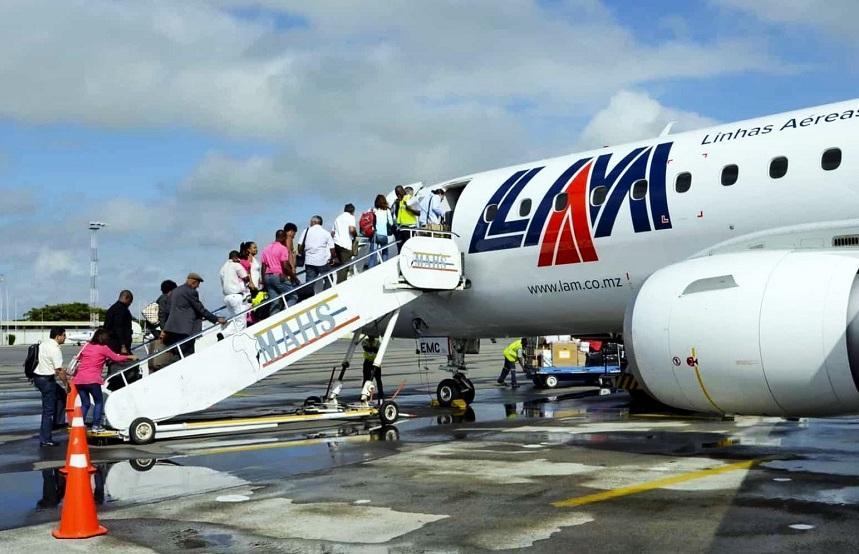
This scenario could directly affect airline operating costs and, consequently, passenger fares.
The price increase is largely linked to geopolitical instability in the Middle East, one of the main fuel-supplying regions.
“The worsening political situation in the Middle East has had a direct impact not only on the price of the product itself, but also on freight costs,” said Felisbela Nhate.
According to Nhate, the cost of transporting a barrel (freight) has also increased significantly, rising from around US$5 in January to approximately US$13.70, which directly influences the CIF Maputo price, the basis for the fuel import invoice (CIF: Cost, Insurance, and Freight).
“The freight cost is part of the CIF calculation, which is the price reflected in our import bill,” she explained.
Nhate added that the overall increase in costs is putting pressure on the entire energy supply system.
Jet fuel plays an essential role in the aviation sector, being used in both commercial and cargo aircraft, and its pricing structure depends on several factors, including the international cost of refined oil, transport and logistics expenses, exchange rates, storage costs, operators’ margins, and tax charges.
In Mozambique, the fuel pricing mechanism is regulated by a specific legal framework aimed at ensuring transparency and market stability, with the Energy Regulatory Authority (ARENE) responsible for setting and updating prices.
In the current context, Felisbela Nhate acknowledged the possibility of regulatory intervention.
“We are under pressure within our pricing mechanism and there is a need for government intervention to mitigate the impacts,” she said.
The director also warned of risks linked to the rising import bill, including reduced liquidity for distribution companies, restricted access to bank financing, and potential challenges in ensuring a regular fuel supply in the country.
At regional level, several Southern African countries have already adjusted fuel prices, reflecting the widespread impact of the international crisis.
“Practically all countries in the region have had to make price adjustments,” she noted.
Against this backdrop, Mozambican authorities say they are assessing measures to mitigate the economic effects without compromising sector stability.
The aviation sector in Mozambique relies heavily on jet fuel, which is subject to international market fluctuations. The pricing structure is influenced by various factors, including global oil prices, transport costs, and regulatory frameworks. Mozambique’s Energy Regulatory Authority oversees fuel pricing to ensure market stability. Recent geopolitical events have exacerbated price volatility, prompting concerns about the sustainability of fuel supply and economic impacts on the aviation industry.