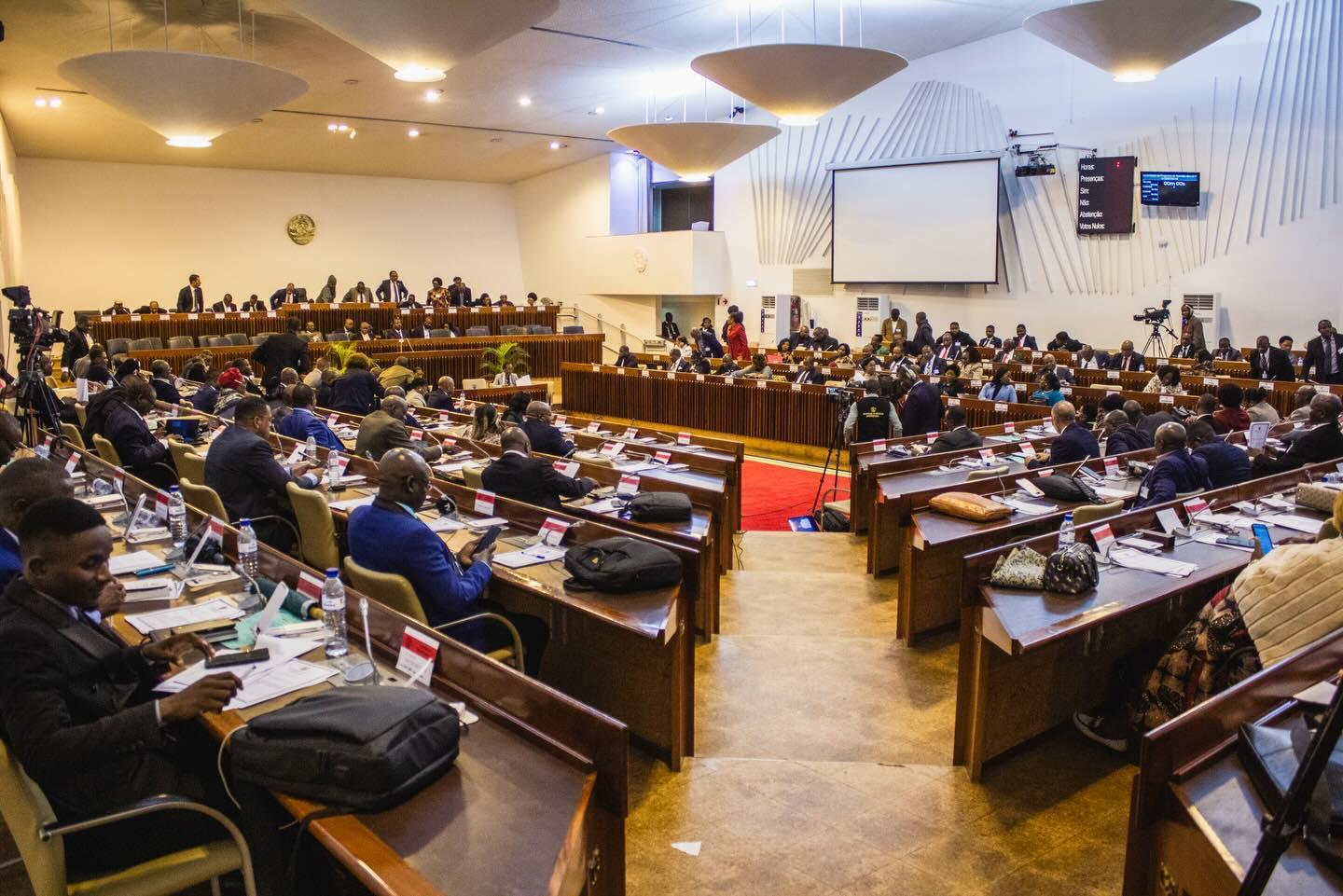
Africa-Press – Mozambique. The Mozambican parliament on Friday (24 April) definitively approved reforms to the decentralisation law that redefine the powers of the executive and the functioning of provincial state representative bodies, saving more than €16.7 million annually.
The proposals were approved in both general and specialised debate, unanimously, by all four parliamentary benches, namely the Mozambique Liberation Front (Frelimo, with a parliamentary majority), the Optimistic People for the Development of Mozambique (Podemos, the main opposition party), the Mozambican National Resistance (Renamo) and the Mozambique Democratic Movement (MDM).
The decentralisation law establishes the principles, organisational norms, competencies and functioning of the executive bodies of provincial decentralised governance, as well as the legal framework on the organisation and functioning of state representative bodies in the provinces, both dating from May 2019.
Earlier in the day, in presenting the proposal establishing the legal framework on the organisation and functioning of state representative bodies, the Minister of State Administration and Public Service, Inocêncio Impissa, said that “inconsistencies and some dysfunctions” had been identified in the previous functioning of decentralised governance bodies, including their financial burden, which led the Government to advance a revision proposal in order to avoid, for example, the “duplication of structures and overlap of competencies”.
In presenting the draft law establishing the rules of organisation, competencies and functioning of provincial decentralised executive governance bodies, Impissa said the proposal would eliminate “inconsistencies and ambiguities”, in addition to filling regulatory gaps, defining executive-type competencies for local government administration.
Thus, Impissa said, the laws will clarify the roles of the Provincial Secretary of State and the Provincial Executive Council, while the Mozambican President had previously explained that the decentralisation law reforms would save the country more than 1,250 million meticais (€16.7 million) annually, as well as accelerate provincial development.
“With this reform we will save more than 1,250 million meticais annually, resources that will be redirected to priority sectors such as education, health, agriculture and social protection,” said Daniel Chapo.
The draft laws were submitted to parliament by the Head of State at the end of March, under urgent procedure, fulfilling the commitment made by Daniel Chapo at his inauguration.
The President had already stated that, with the approval of the revised laws, the State Representation Services in the Provinces would be abolished and their functions transferred to the Provincial Executive Council, headed by the Provincial Governor.
“In this new format, the Provincial Secretary of State will be supported by a restricted advisory council, focusing essentially on coordinating and supervising the responsibilities of central state bodies within the limits of decentralisation,” Chapo explained.