Africa-Press – Namibia. OTJIMBINGWE – National documents such as birth certificates and identity cards play a major role in every person’s life. They not only verify who you are and where you come from but also open doors to education, jobs, healthcare, and social grants.
For many young people in marginalised communities, having an ID is more than a legal requirement — it is proof that they belong.
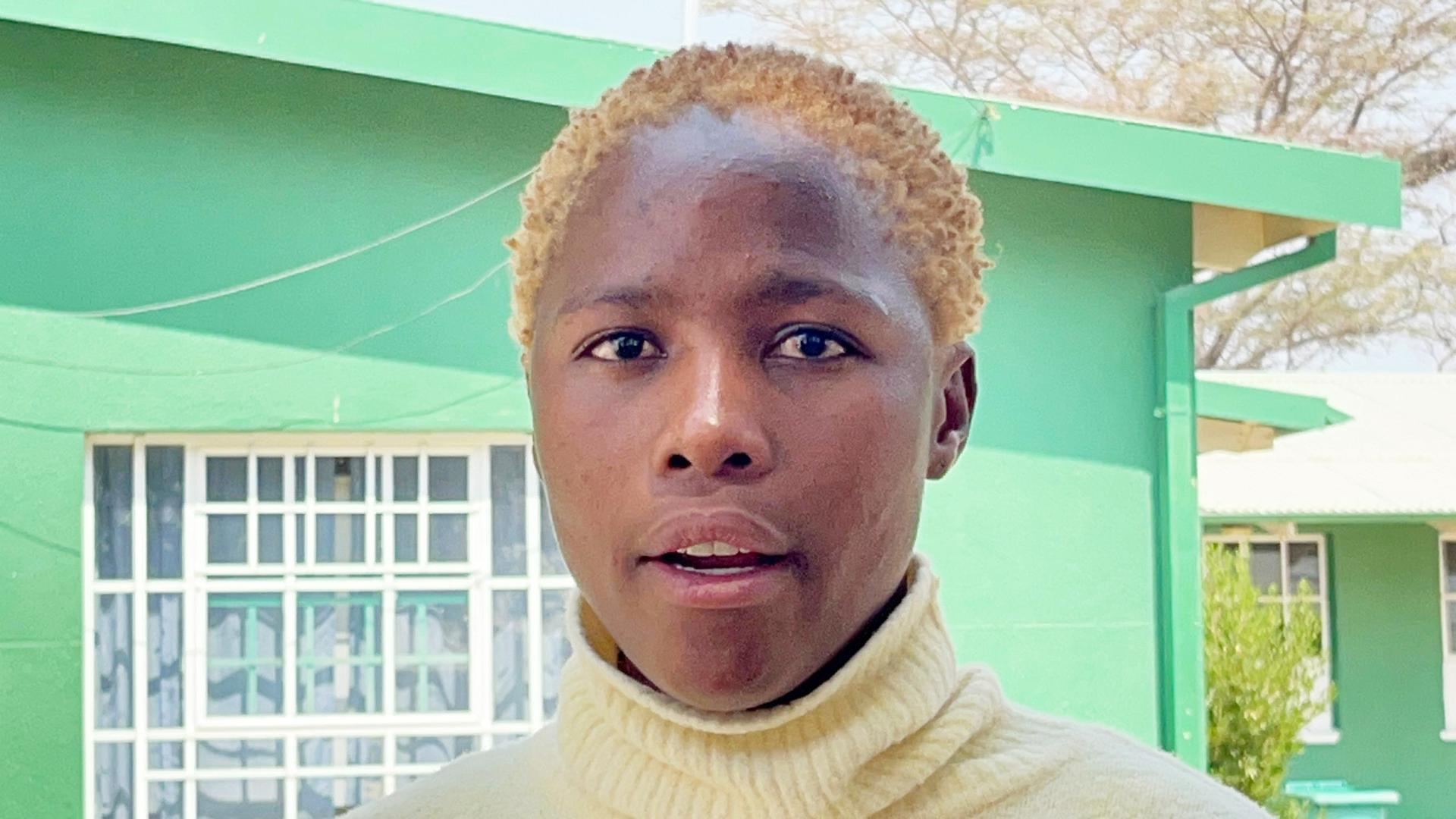
Wally Ronaldo Homeb and Regina Gai#amses, both from the San community, recently shared their struggles to obtain national documents during an awareness campaign hosted by the United Nations Development Programme (UNDP) and the ministry of home affairs in Otjimbingwe. They are hopeful the new electronic identity (e-ID) system will bring lasting change to the challenges they face.
The government plans to intensify access to national documents, especially in marginalised communities living in remote areas, by deploying registration teams directly to these locations. This approach is aimed at making the e-ID system more inclusive and ensuring that no citizen is left without proper identification.
“I am speaking out of experience. Without any identification, even dying is like being wiped out without any trace as no information will be left of you. Most of our children are without birth certificates because they live in remote areas. They grow into adults without any identification documentation,” Homeb said.
He added that the e-ID initiative will help preserve culture and include everyone, especially communities with clicks in their names. “The electronic IDs are there to include, maintain our cultural heritage, and make sure no one is left out. With these new IDs, the Ministry, together with the UNDP, will reach even the most remote places where our people live,” he explained.
Almost denied opportunities
For Regina Gai#amses, who is now studying for an honours degree in pre- and junior education, getting her ID was a battle. She and her siblings started school without national documents.
“Although primary school was manageable, high school was more problematic. I almost failed to write my Grade 10 exams as I didn’t have any documents. My mother also didn’t have an ID. It was a very stressful time for me and my twin brother,” she said.
She added that their family’s poverty made it impossible to access welfare services. With help from her elder sister, they contacted their grandmother who lives in Botswana to apply for their mother’s documents first. “Once she got her documents, we could finally apply for ours. Our IDs arrived just days before our exams — it was nerve-wracking,” she said.
She welcomed the introduction of the e-ID, which will be both physical and accessible electronically. “Apart from the security features, one can still access it on a smartphone. Fraud will be reduced because the system uses fingerprints, iris scans, palm scans, and eventually voice recognition. Everyone will have their own profile, so it will be very difficult to impersonate another person,” she explained.
Disability inclusive
Visually impaired Mwaaka Mutenda-Mukwell, UNDP’s disability and inclusion officer, said e-IDs will particularly benefit people with disabilities.
“Currently, people with disabilities must carry their original IDs everywhere, which is difficult, especially when registering at universities or conducting transactions at banks. The e-ID, to be launched next year, will be a physical card with a chip containing all your information,” she explained.
She added that the system ensures personal control over shared data and greater protection against fraud. “Even if someone steals your card, they cannot access your information without your consent,” Mutenda-Mukwell said.
A nationwide rollout
Deputy executive director for civil registration in the ministry of home affairs Jackson Wandjiva told the community the new IDs will be inclusive, secure, and rolled out to even the most remote areas.
“The ministry has already relaxed requirements for the San people and successfully completed that project in August. Preparations are underway to reach other marginalised communities. Registration will be made easier, and no one will be left behind. The card is secure, designed to prevent forgery, identity theft, and misuse of personal information,” Wandjiva said.
The e-ID initiative is part of a broader strategy to modernise government services, promote digital access, and enhance regional integration through easier travel across SADC countries.
For More News And Analysis About Namibia Follow Africa-Press