Africa-Press – Namibia. JAPANESE karate black belt Sho Sakamoto says Namibia has strong potential in martial arts.
He tells The Namibian Sport that the values of discipline and respect in karate align well with the local culture.
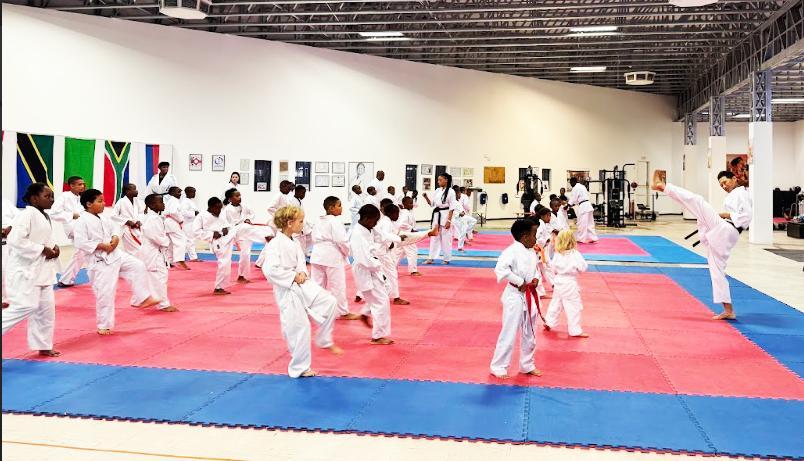
“At the dojo I visited, both children and adults trained seriously, which shows that martial arts are being embraced not only as a sport but also as part of the culture.
“At the same time, the atmosphere of a dojo is greatly influenced by its leader. Shihan Simba, whom I met, was very kind and patient, especially with children, and it was clear that he was trusted and respected by many students. With leaders like him, I believe martial arts in Namibia will continue to grow and develop in the future,” says Sakamoto.
He says to develop the sport in remote areas, it is important to share knowledge continuously through regular seminars and meetings, adding that the use of online training and education can help overcome geographical limitations.
The black belt holder says in Japan, video review systems have recently been introduced in national and international tournaments.
“Although it is still a work in progress, referee seminars and gatherings are held after competitions to improve skills and share common values.
“I believe that similar initiatives in Namibia would help strengthen the capabilities of officials and referees, especially in remote regions,” adds Sakamoto.
He says development programmes are extremely important to ensure that all children have access to martial arts, and that creating an environment where beginners and girls can participate comfortably helps lower psychological barriers and encourages long-term involvement.
“Such programmes contribute to increasing the number of participants in the future. From a broader perspective, martial arts also play an important role in teaching discipline and respect, which positively supports the development of young people.” Comparing Namibia to other African countries, he was impressed by how people from different backgrounds, including black and white communities, coexist.
“As an Asian, I have often experienced being stereotyped or assumed to be Chinese in other countries. However, in Namibia, such experiences were very rare, and people treated me in a very open and equal manner. This gave me a strong impression of the country’s diversity and inclusiveness,” says Sakamoto.
He is currently on his second round-the-world journey, engaging in cultural exchange activities through karate at dojos and homestays in various countries. “To date, I have visited 96 countries and practiced karate in 63 of them. My activities have previously been featured in media outlets in Japan, India and Uganda,” he says, adding that he had the privilege of participating in a special training session at a dojo in Windhoek.
The dojo welcomed approximately 50 participants, ranging from children to adults.
“The dojo owner, Simba Mangaba, has significantly grown Kyokushin karate in Namibia and has built it into the organisation with the largest number of students in Africa today. “His passionate teaching and exemplary character have been key to this development,” says Sakamoto.
He says the training session was not only a technical exchange but also a valuable opportunity for karate practitioners from different cultures to learn from each other’s perspectives.
“Through karate, trust and respect were built, demonstrating the power of sport to connect people across cultural boundaries,” adds Sakamoto.
For More News And Analysis About Namibia Follow Africa-Press