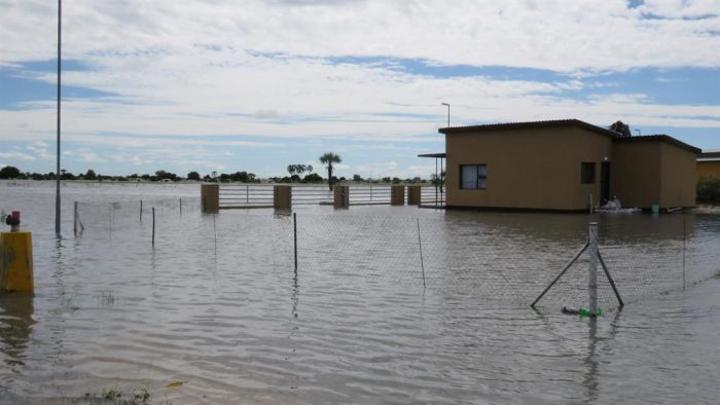
Africa-Press – Namibia. Residents of a northern Namibian town have been warned against consuming fish that were caught in the floodwaters caused by heavy rains in the Ohangwena region. The fish is suspected to be contaminated with a fungal disease that has killed them, according to local media reports. The authorities have taken samples of the fish for analysis, and residents have been advised to avoid eating them until further notice.
The warning comes as residents of the town reported selling some of the fish for a fortune. However, the chief fisheries biologist Elizabeth Ndivayele has urged them to prioritize their health and refrain from eating the contaminated fish. The authorities have not yet given a timeline for when it will be safe to consume fish again.
Fungal diseases in fish can be caused by a variety of factors, including changes in water temperature, oxygen levels, and pollution. While not all fungal diseases are harmful to humans, some can cause serious health problems if consumed. The authorities’ caution is therefore well-founded, as it is essential to ensure public health and safety.
It is not uncommon for heavy rains to cause flooding in the region, particularly during the rainy season, which lasts from October to April. While floods can have a devastating impact on local communities, they can also be beneficial in some ways, such as replenishing rivers and wetlands and providing a source of food for wildlife.
In conclusion, the warning from Namibian authorities highlights the need for caution when consuming food caught in floodwaters. While such events can bring short-term benefits, it is essential to prioritize public health and safety in the long run. It is advisable to wait for official guidance from health and environmental authorities before consuming food that has been exposed to floodwaters.
For More News And Analysis About Namibia Follow Africa-Press