Africa-Press – Namibia. Namibia is often described, with good reason, as a country defined by water scarcity.
It is one of the world’s driest and most water-stressed nations, with an average annual rainfall of about 278mm, far below the sub-Saharan African average.
Its rainfall is unreliable and geographically unforgiving.
Climate pressure is intensifying that exposure, while the country’s perennial rivers remain transboundary, which means long-term security is also shaped by regional cooperation around shared basins.
Scarcity is not the full explanation.
Namibia’s water system is increasingly under pressure because the gap between infrastructure development and long-term operational resilience is becoming harder to ignore.
It is no longer only whether we can build new water sources.
It is whether we can keep the systems that treat and distribute water functioning reliably enough to support a growing economy, expanding towns and public health needs.
The most recent Namibia Water Corporation (NamWater) integrated annual report provides unusual clarity.
In the coastal area, theoretical demand is already 196% of developed potential, with the gap bridged by desalinated supply from the Orano plant.
In the central area, the demand is 108% of developed potential, which NamWater links to increasing pressure on existing sources, especially around Windhoek.
In the northwest, abstraction reaches 330% of theoretical demand.
Open canal losses, ageing infrastructure and illegal offtakes are possible reasons.
The challenge is not just about natural limitations. It is about continuity, asset condition, system losses, maintenance, management, and ensuring that infrastructure remains dependable.
Countries rarely fail when they run out of physical sources.
They fail when infrastructure ages faster than it is renewed, when operating pressures outrun system adaptation, when transmission and treatment assets become less reliable, and when the focus is too tilted towards new projects rather than long-term performance.
We need to ask: Are we giving enough attention to long-term performance, or are we still too focused on new projects while assuming the rest of the system will somehow hold?
– Read the full article at https://www.linkedin.com/in/faustomendes/
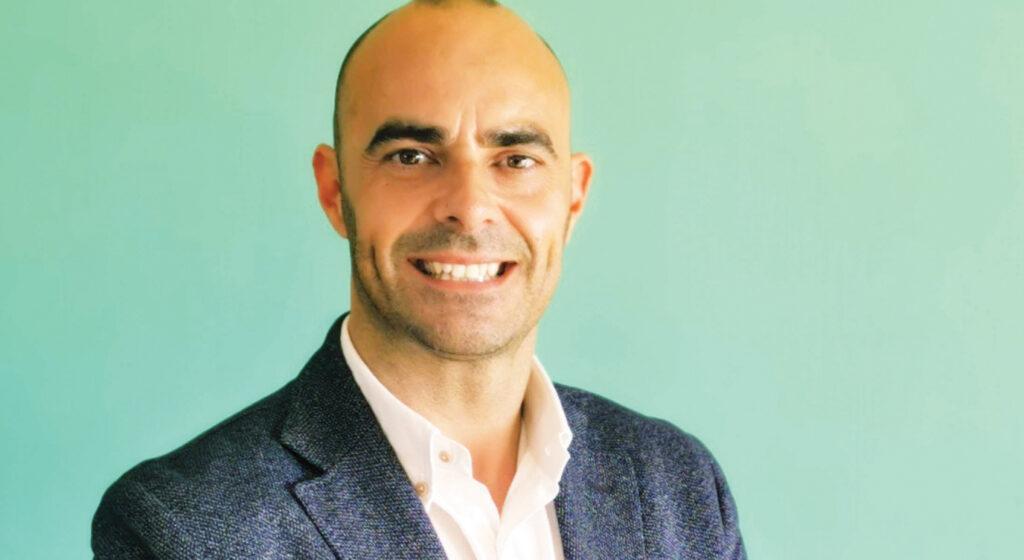
– Fausto Mendes is a professional engineer and founder of F Mendes Engineering Consulting.
For More News And Analysis About Namibia Follow Africa-Press