Africa-Press – Namibia.
The Namibia Economic Freedom Fighters (NEFF) said President Netumbo Nandi-Ndaitwah must be the final approving authority over decisions in the country’s billion-dollar petroleum industry.
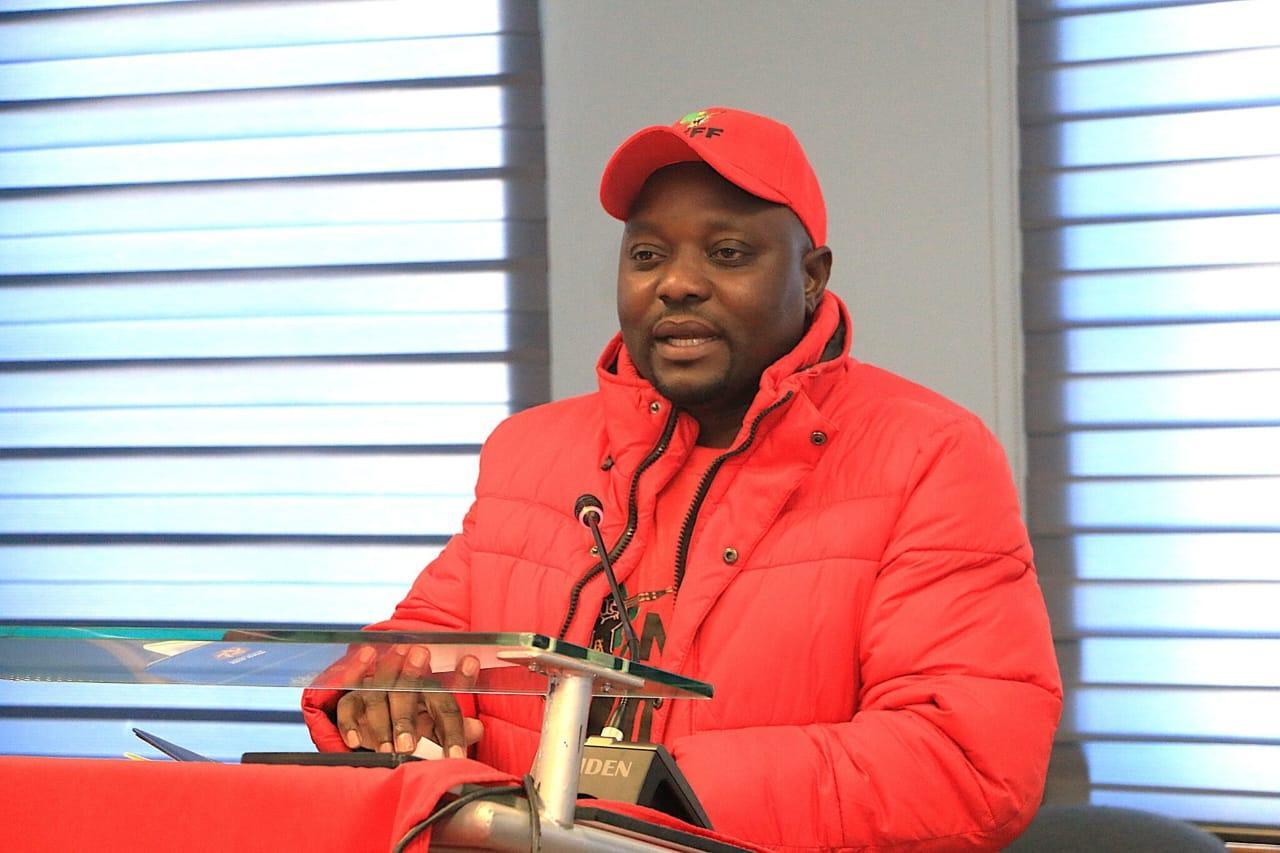
In the ongoing parliamentary debates on giving the President power over some key functions of the petroleum sector, NEFF parliamentarian Kalimbo Iipumbu last week said he is “unapologetically” behind the decision.
“The petroleum sector cannot be left vulnerable to administrative weakness, regulatory capture, or external influence; it must be protected and directed at the highest level of State authority to ensure it serves the people, not private profit,” he said.
The Petroleum (Exploration and Production) Amendment Bill seeks to transfer core upstream petroleum powers from the responsible minister to the president, as well as the control of the Upstream Petroleum Unit.
Meanwhile, NEFF, early this year, mentioned that it aims to work with the government to advance service delivery to the Namibian people and to put national interests first.
Since the President represents the collective sovereign will of the Namibian people, Iipumbu said that vesting final approval authority in the Presidency elevates petroleum governance from narrow bureaucratic control to a matter of national strategic importance.
Iipumbu, however, noted that the NEFF emphasised a critical revolutionary condition that all petroleum approvals must originate from the Ministry of Industry, Mines and Energy (Namibia), which must remain the primary technical and regulatory body. His view is that the ministry must conduct all evaluations, ensure compliance with national laws, and formally submit recommendations to the President.
“It prevents corruption, protects professional governance, and ensures that petroleum decisions are grounded in technical competence while finalised in political authority representing the people,” he said.
Moreover, the revolutionary party also lobbies that petroleum wealth directly benefits the Namibian people.
This is through majority State ownership and participation through the National Petroleum Corporation of Namibia, job creation and skills transfer for Namibian workers, and investment in national infrastructure, education, and healthcare.
For More News And Analysis About Namibia Follow Africa-Press