Africa-Press – Namibia.
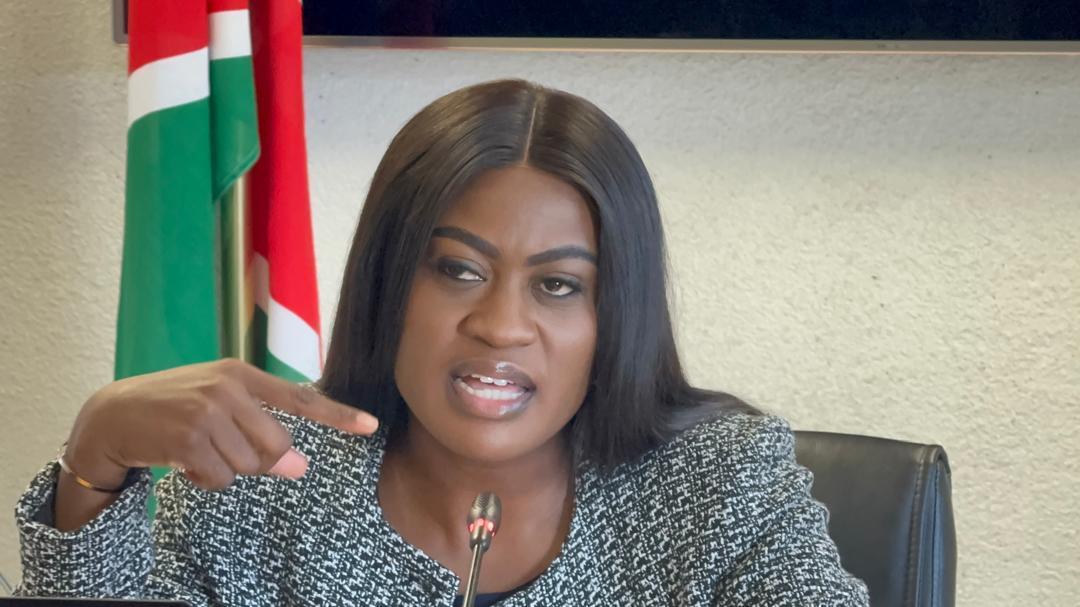
Health minister Dr Esperance Luvindao says more needs to be done to meet the national demand of cancer patients when she revealed that Namibia has seven specialist oncologists.
Speaking during a recent handover event in Windhoek, she said that six of the oncologists are in the private sector, and one is in the public sector.
“This is inadequate to meet national demand and to support early detection and timely initiation of treatment,” Luvindao said. Despite the shortage, the minister noted that there are four specialist oncologists who are currently in training abroad.
Three of them are earmarked for Oshakati Intermediate Hospital to strengthen capacity in the densely populated northern regions.
An oncologist is a specialised doctor who diagnoses, treats, and manages patients with cancer, leading their care team.
They create personalised treatment plans using chemotherapy, targeted therapies, immunotherapy, or hormone therapy and coordinate care with surgeons and radiation specialists. They also provide follow-up care and manage treatment side effects.
In the meantime, the ministry continues to benefit from retired specialists on flexible contracts to support service delivery, as well as procuring services from the private sector when needed.
“This is the approach we take to alleviate pressure on our Cobalt 60 machine,” said Luvindao.
While this support is valuable, it is not sufficient to help us fully address the shortage of specialists or to achieve our strategic targets for reduced waiting times.
This year, the ministry will prioritise progress towards establishing oncology services in Oshakati as part of our broader strategy to decentralise and expand access to cancer care and reduce long waiting times for cancer treatment to a maximum of six weeks.
Priority attention will also be devoted to developing radiotherapy capacity and procuring a new brachytherapy machine for the treatment of cervical cancer. “We will also ensure the availability of essential chemotherapy medicines, as well as nuclear medicine and molecular imaging technologies,” she said.
The minister further stated their strategy is the development of a comprehensive National Cancer Control Programme (NCCP), which she said is now preoccupied with the development of the strategy by June this year. On Wednesday, the world commemorated World Cancer Day.
Namibia’s priority is to mitigate the growing public health challenges of the virus. Cancer is defined as death before the age of 70 as it is the second leading cause of premature death worldwide.
According to reports, in 2022 and 2023, approximately 20 million new cancer cases were diagnosed globally, and an estimated 10 million people died from the disease.
A disproportionate number of these deaths occur in Africa, largely due to limited access to early diagnosis and timely, effective treatment.
For More News And Analysis About Namibia Follow Africa-Press