Africa-Press – Namibia. Trade Union Congress of Namibia (Tucna) president, Paulus Hango, backed by fishing industry workers, has threatened to destabilise the fishing industry if workers’ concerns are not addressed.
Speaking at a press conference Monday, Hango said worker representatives and unions face a blackout when it comes to decisions affecting fishing industry employees.
Last year the industry saw over 600 employees losing their jobs, while the jobs of 490 workers hang in the balance.
“We have 100 fishermen who have not been paid since October. Workers have been laid off in Walvis Bay and Lüderitz, while Gendev workers also face uncertainty about their future,” he said.He warned that the persistent breakdown in communication among the parties is detrimental to workers’ social wellbeing.
“If government ministries and companies continue to sideline worker representatives and unions from discussions that affect workers, we will mobilise. We will not sit back while agreements are signed behind closed doors,” Hango said.
According to him, some of these agreements are signed without the input of workers or their unions.
“They are signing agreements with companies that employ these fishermen, but we do not know the content of those agreements. Even union officials are not informed. That is unacceptable,” he said. According to Hango, workers employed under such arrangements are often unaware of the terms governing their employment.
“If agreements affect workers and their jobs, why hide them from the union? It creates the impression that some officials are pro-employer,” he added.
He added that meeting with the employers is prioritised, while no feedback is given to workers at times. While stressing that social dialogue remains the preferred route, Hango warned that continued exclusion would leave the union with no alternative but to take the necessary steps and organise a strike and disrupt the industry. He further alleged that some government officials have harassed union representatives during engagements.
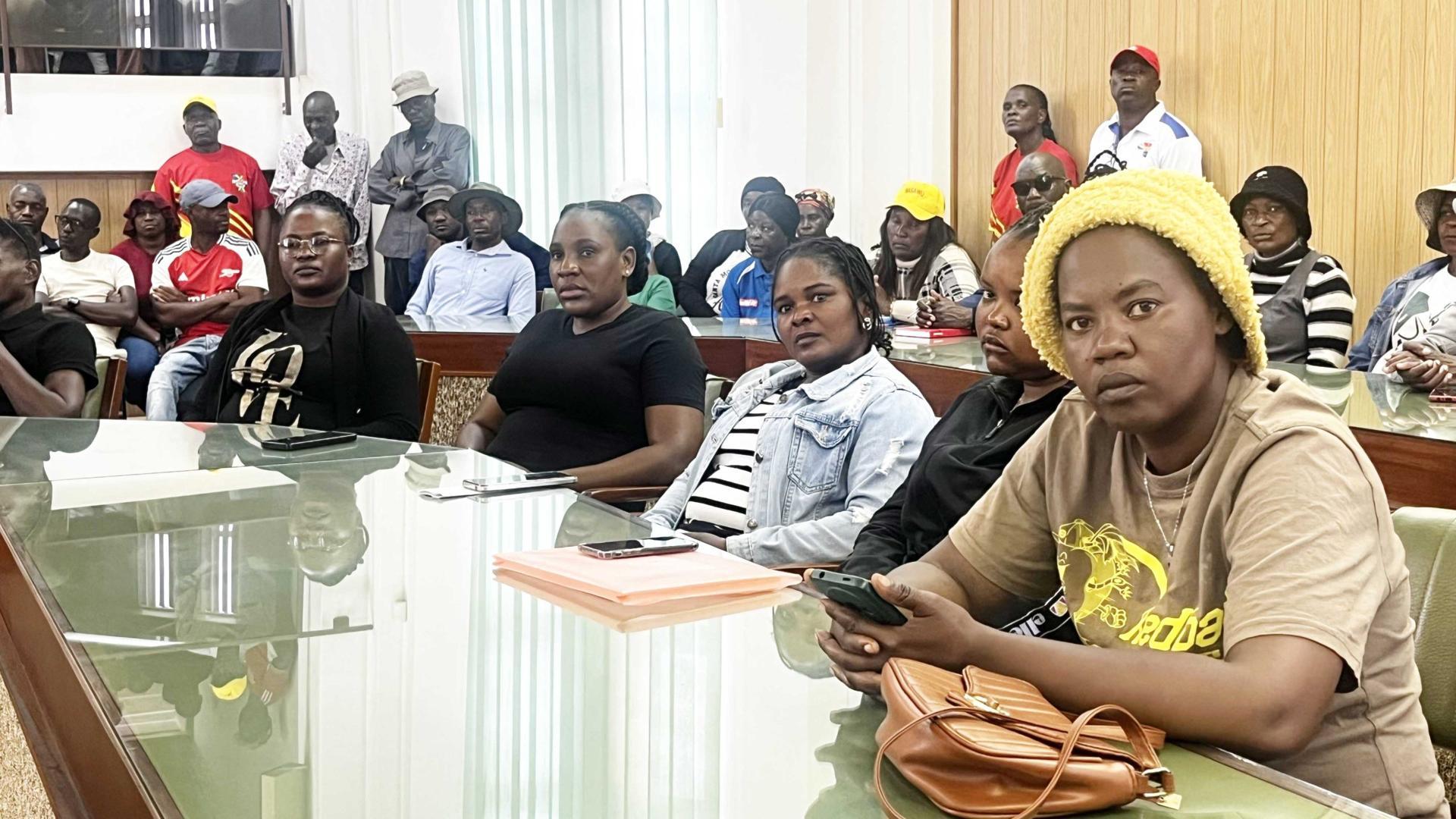
Meanwhile, workers who were present at the press conference also raised challenges affecting the industry. One of them, Shiroli Patrick, appealed to the government to introduce temporary permits for factories to prevent abrupt job losses.
He said this will allow companies to fish while the paperwork and negotiations are ongoing between their employers and quote holders to avoid job losses.
“We want proper consultation before decisions are taken. The union must also know the reasons behind layoffs,” Patrick said.
Another worker, Moses Nakatana, said the allocation of fishing quotas remains a major stumbling block. According to him, companies without quotas use this as justification during wage negotiations.
“They use workers to get quotas,” he said.
He proposed that quotas be allocated to companies with vessels and employees instead of being auctioned. Nakatana also called on the labour ministry to strengthen compliance monitoring to ensure companies meet legal requirements and protect workers’ rights.
Shop steward Levy Bron said that the shortage of protective gear and equipment is still a concern at companies.
“At our factories, we hardly receive our PPE on time. We only receive freezer suits once a year,” he said.
Adding that female workers working in cold environments do not receive adequate protective clothing.
For More News And Analysis About Namibia Follow Africa-Press