
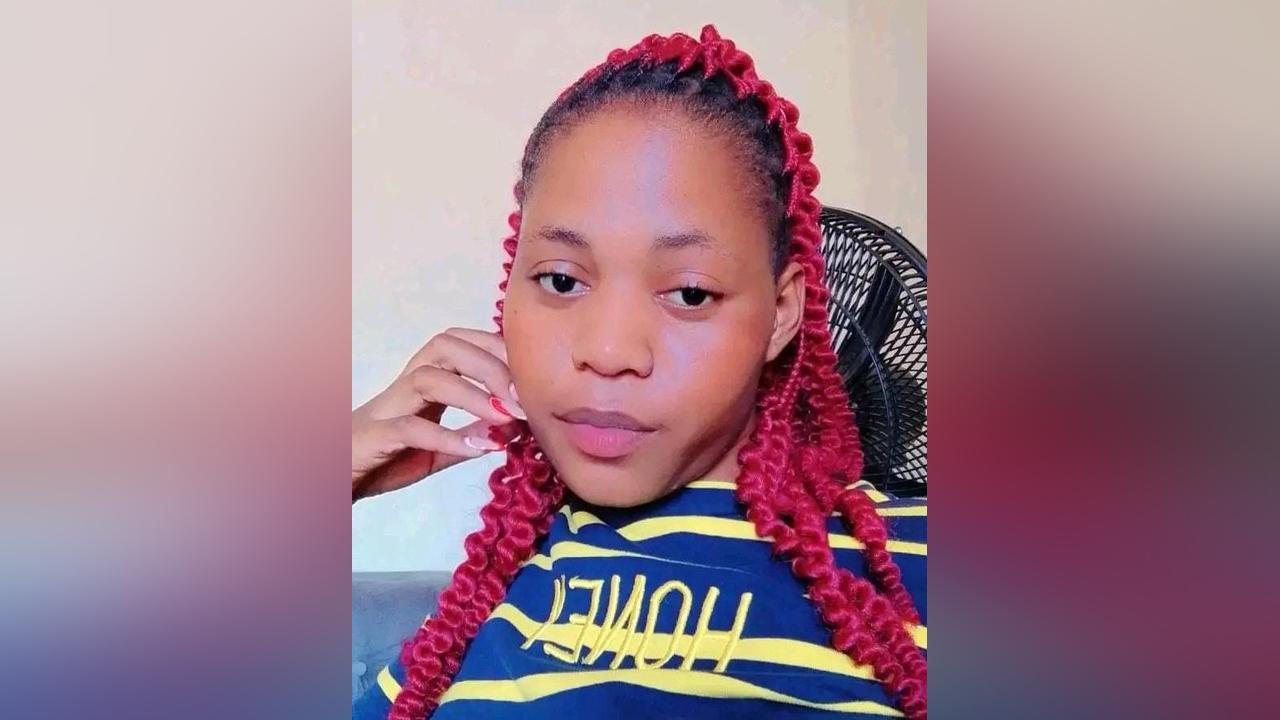
Africa-Press – Nigeria. Grief has engulfed a family in Ntcheu and a community in Lilongwe following the tragic and violent death of 24-year-old Doreen Makwinja—a young woman whose life ended in a way that is now forcing painful questions about the safety of motorcycle taxis, popularly known as kabaza.
Doreen, of Mphepo Zinayi in Magola Village, had travelled to Lilongwe in search of opportunity. She lived in Airwing, working hard to survive through a small vegetable business. On the day she died, she was doing something simple and ordinary—visiting a friend in Area 49. She never made it.
What should have been a short ride turned into a nightmare.
According to eyewitness accounts, the motorcycle rider she trusted with her life made a careless move—joining the main road near Best Oil Filling Station, close to Guoji Dream Town, without properly checking for oncoming traffic. In that split second, a water bowser approached.
What followed is too painful to imagine, yet impossible to ignore.
Doreen was struck and thrown into the deadly space between the heavy vehicle’s wheels. Witnesses say she screamed, fighting for her life, trying to escape. But the driver of the bowser reportedly had no idea that a human being was trapped beneath. Moments later, the rear wheels rolled over her head—ending her life in the most horrific way.
A woman at the scene, moved by the sheer brutality of it all, covered Doreen’s head with a cloth—an act of dignity in the face of unimaginable loss.
But beyond the heartbreak lies a deeper, more troubling reality.
Doreen did not die simply because of an accident. She died because a life was placed in the hands of someone who may not have had the training, discipline, or awareness required to carry another human being safely.
Across Malawi, kabaza has become a lifeline for many—cheap, fast, and accessible. But it has also quietly become a ticking time bomb. Too often, motorcycles are being operated by individuals with little to no formal training, no understanding of road safety rules, and no regard for the responsibility they carry.
Every passenger who climbs onto a motorcycle is placing their life entirely in the rider’s hands. And when that rider is untrained, reckless, or inexperienced, the consequences are not minor—they are fatal.
Doreen’s story is not just a tragedy. It is a warning.
A young woman full of life, born on May 20, 2001, working hard, building her future, is now gone—not because fate decided so, but because a system allowed risk to become normal.
Her death leaves behind more than grief. It leaves anger. It leaves questions. And it leaves a call that cannot be ignored.
How many more lives must be lost before stricter regulation, proper training, and accountability are enforced in the kabaza sector?
As her family prepares to lay her to rest, one truth stands heavy in the air: this could have been prevented. And unless something changes, it will happen again.
For More News And Analysis About Nigeria Follow Africa-Press