Africa-Press – Rwanda. Rwanda has begun discussions on introducing a malaria vaccine into its national immunisation programme, as health officials assess scientific, regulatory and health system readiness amid a rise in malaria cases.
According to Dr. Aimable Mbituyumuremyi, the Division Manager for Malaria and Neglected Tropical Diseases at RBC, the country recorded 114,804 malaria cases in September, up from 98,000 in August. Of these, 440 were severe cases.
Hassan Sibomana, the Director of the Vaccine Programmes Unit at Rwanda Biomedical Centre (RBC), said the process is still at an early stage and no decision has been made on which vaccine would be selected.
“There is more than one malaria vaccine currently available, and at this stage I cannot confirm which one will be used as it has to go through discussions and agreement before any decision is reached,” Sibomana told The New Times.
He said any new vaccine is introduced through a defined technical process, including WHO prequalification, regulatory approval for use in Rwanda, and a recommendation from the National Immunisation Technical Advisory Group (NITAG).
“We also assess the malaria burden, the affordability of the vaccine, and whether the health system has the capacity to introduce another vaccine.
“Most of the challenges associated with vaccine rollout are related to preparation and system readiness, including logistics, financing and service delivery. These are addressed during the preparation phase before the final readiness assessment,” Sibomana said.
Once introduced, he explained, the vaccine will then be added to the routine immunisation programme to ensure broad access.
The discussions come as global financing efforts increase access to malaria vaccines across Africa.
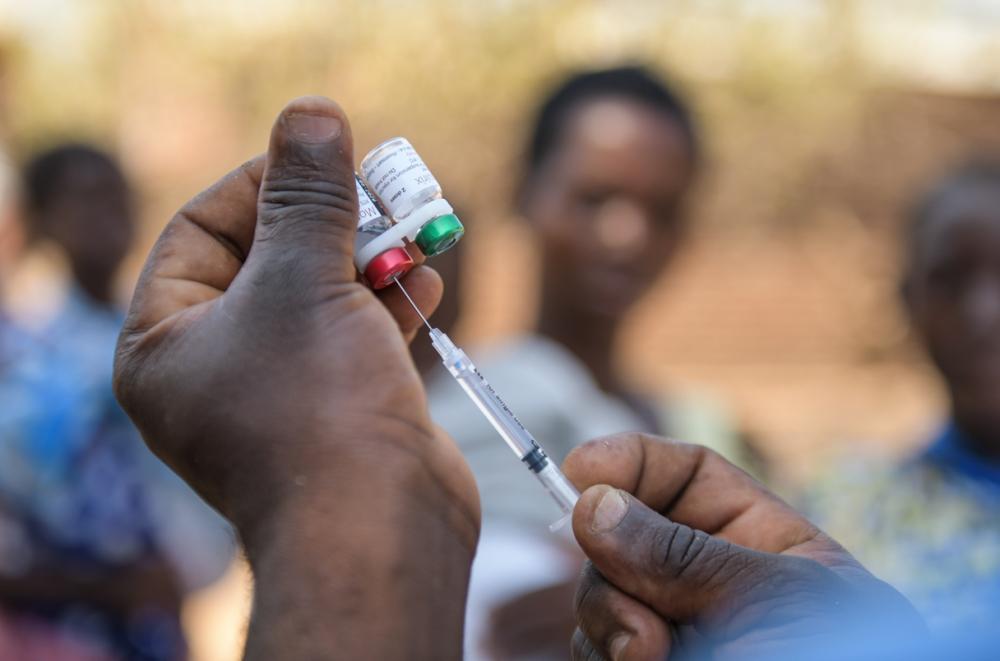
Gavi, the Vaccine Alliance, and UNICEF have lowered the price of the R21/Matrix-M malaria vaccine. Supported by the International Finance Facility for Immunisation (IFFIm), the deal is expected to make millions of additional doses available and protect nearly seven million children across the continent over the next five years.
R21/Matrix-M, which was recommended by the World Health Organization in 2023, is the newest malaria vaccine and complements the earlier RTS,S/AS01 vaccine. Clinical trials show both vaccines reduce malaria cases by more than 50 percent in the first year, with a fourth dose extending protection into the second year.
By November, 24 African countries had introduced malaria vaccines into their childhood immunisation programmes.
Malaria cases in Rwanda continue to rise. To curb the spread, RBC is conducting indoor residual spraying in 28 of the most affected sectors, including Gisagara, Bugesera, Nyagatare, Rwamagana and Kirehe. The campaign is set to expand to 55 additional sectors between January and March 2026.
According to Dr. Mbituyumuremyi, Gisagara, Bugesera, Gasabo, Kicukiro and Nyagatare districts accounted for 66 percent of the national malaria burden in September.
Alongside spraying, Dr. Mbituyumuremyi noted, community engagement and mobilisation efforts are ongoing, supported by local leaders and civil society organisations, to strengthen malaria prevention during the current high-risk season.
For More News And Analysis About Rwanda Follow Africa-Press