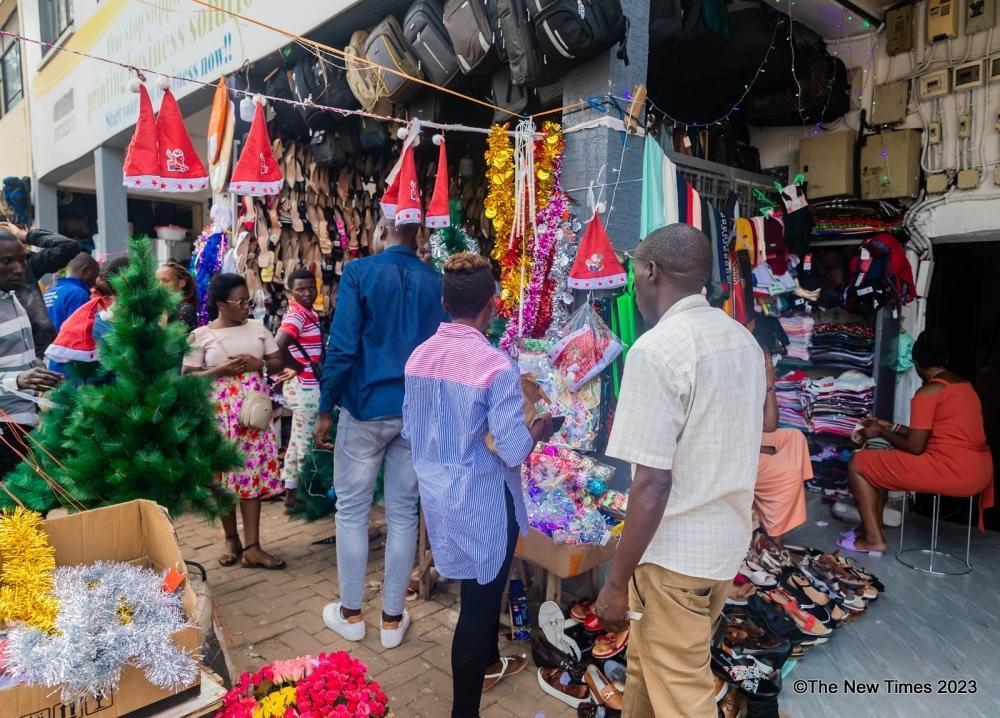
Africa-Press – Rwanda. With the festive season approaching, Kigali streets are decorated, and malls and markets are busy with shoppers preparing for the holidays. The excitement often leads people to overspend on food, gifts, outings, travel, and parties without tracking expenses, leaving many in debt after the celebrations.
Financial experts say planning and budgeting can help families enjoy the season without facing financial stress. They offer tips on tracking spending, setting limits, and preparing for upcoming obligations.
Jackson Kwikiriza, the chief executive of the Association of Microfinance Institutions in Rwanda (AMIR), said staying financially disciplined during the festive period starts with planning early and resisting pressure to spend for appearances.
He encouraged people to first establish how much income they expect to receive and what expenses lie ahead, before setting a clear budget that covers both Christmas and the weeks that follow.
According to Kwikiriza, the holidays should not be an excuse to abandon normal financial habits. He urged families to live within their means and avoid changing their lifestyle simply because it is the festive season.
He explained that people’s spending habits are sometimes influenced by their surroundings and peer pressure, and advised avoiding situations that encourage unnecessary purchases. He also noted the need to set aside money for January expenses before spending on the festive season, so the New Year doesn’t start with financial stress.
“Balancing Christmas expenses with school fees, emergencies, and other long-term needs requires early preparation. We should keep in mind that Christmas comes every year; therefore, planning and budgeting should first focus on essential items such as food, medicine, and school fees,” he added.
Kwikiriza advises people to stick to basic personal finance principles, including saving at least 10 percent of their income, prioritising investment, and maintaining an emergency fund. Spending, he said, should always reflect one’s financial capacity.
He urges setting spending limits and tracking every franc, including allocating clear amounts to categories such as food, gifts, decorations, and travel, preferably before December begins.
“Set aside a fixed amount each week or month. In December, log every purchase and subtract it from your budget to see where you stand,” he said.
Kwikiriza noted that tracking should be simple and practical, for example, assign every franc a job before the festive season starts. Track spending in a spreadsheet or app, and reassign francs if plans change.
“Make a gift list with a maximum amount for each person and replace the planned figures with actual spending as you buy. For daily control, decide the maximum amount you are allowed to spend each day in December. If you overspend today, reduce tomorrow’s limit. Taking quick photos of receipts and logging them helps people stay accountable,” he noted.
‘Christmas shouldn’t cloud financial judgement’
Economic analyst Teddy Kaberuka said the festive period creates a sense of excitement that clouds financial judgment, which pushes people to spend beyond their means.
He noted that because end-of-year spending follows a predictable pattern, many financial problems could be avoided.
“This is the period where everyone knows it will happen, so whoever is planning to have any party or any kind of spending must be responsible and spend according to what they planned, not beyond it,” he said.
Kaberuka explained that financial discipline doesn’t mean giving up enjoyment, and people can still celebrate as long as their spending is balanced and kept within reasonable limits.
He added that unplanned social events are a main reason people overspend during December, as attending multiple gatherings can easily drain budgets and leave little room for savings.
Kaberuka said social events are at times unplanned financially, and many attend just to be part of the gathering, which can lead to overspending and lost savings.
“The financial impact of the festive season shows up in January, when families face regular household expenses and taxes. If December is managed well, people can still have some balance. Those who plan early, maybe from June or July, already know what they will do, how they will do it, and how much they will spend.”
Kaberuka said that poor organisation can have long-term consequences, as it can create financial burdens that carry into the next year and affect overall productivity.
Andrew Rukundo, a treasurer at BPR Bank, said December income should be handled differently from other months, noting that the next salary usually arrives at the end of January.
He said money earned in December must stretch through Christmas and the entire month that follows.
“I recommend dividing income into four portions. For instance, about 25 percent should go to unavoidable bills such as rent, water, electricity, and essential transport, covered up to the end of January,” Rukundo noted.
“Another portion can be allocated to celebrations, gifts, and simple outings, while a third caters to regular household needs. The remaining amount should be reserved for savings or emergencies,” headded.
He said families usually overspend under social pressure, especially when hosting guests or buying gifts, assuming life will slow down after the holidays. He noted that once the festive budget is used, it takes discipline to return to regular spending.
“For families seeking to enjoy Christmas without financial strain, relatives can agree on a realistic budget and contribute according to their means, if possible, through small amounts saved over the year,” the banker added.
Rukundo noted that meaningful celebrations don’t require expensive gifts, since shared meals at home, church activities, games, and time spent together matter more than costly parties.
For More News And Analysis About Rwanda Follow Africa-Press